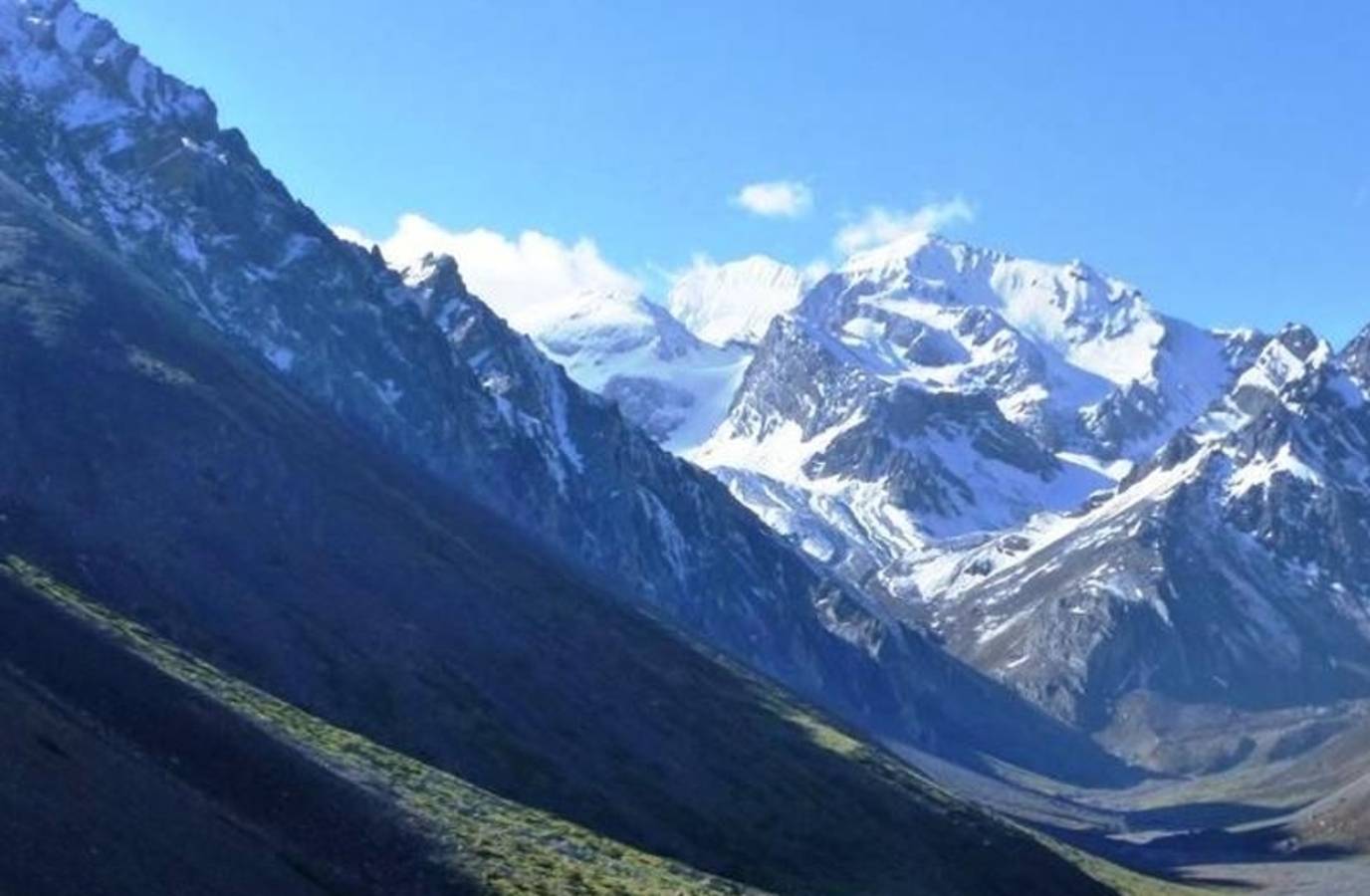
The Lipulekh pass, a Himalayan pass situated at the trijunction of India, Nepal, and China, has been at the center of a 210-year-old dispute between India and Nepal. The latest development comes after Nepal's prime minister stated that the matter will also be raised with the United Kingdom, as the issue dates back to the British Raj in India.
The dispute over the pass follows India and China's announcement of the 2026 Kailash Mansarovar Yatra pilgrimage, which will use the Lipulekh Pass in Uttarakhand as one of the routes. However, Nepal has staked a territorial claim over the pass, stating that it is part of Nepali territory.
The root cause of the disagreement between India and Nepal over the pass is over the exact source of the Kali river, which forms a natural border between the two nations under the 1816 Sugauli Treaty. Nepal argues that the areas lie to the east of the Kali River and therefore fall within its territory, while India claims that these areas are part of the state of Uttarakhand due to its control and administration of the region since the 1962 India-China war.
The dispute has been ongoing for centuries, with Nepal updating its political map and constitution to include the disputed territory as part of its territory in 2020. India has strongly rejected this claim and slammed Nepal for its 'unilateral and unjustified actions.'
The situation has been further complicated by India and China's renewed diplomatic relations, which has led to the resumption of the Kailash Mansarovar Yatra pilgrimage from 2026 onwards. Nepal has objected to this use and lodged a formal protest with both India and China, stating that the route was decided without Nepal being consulted.