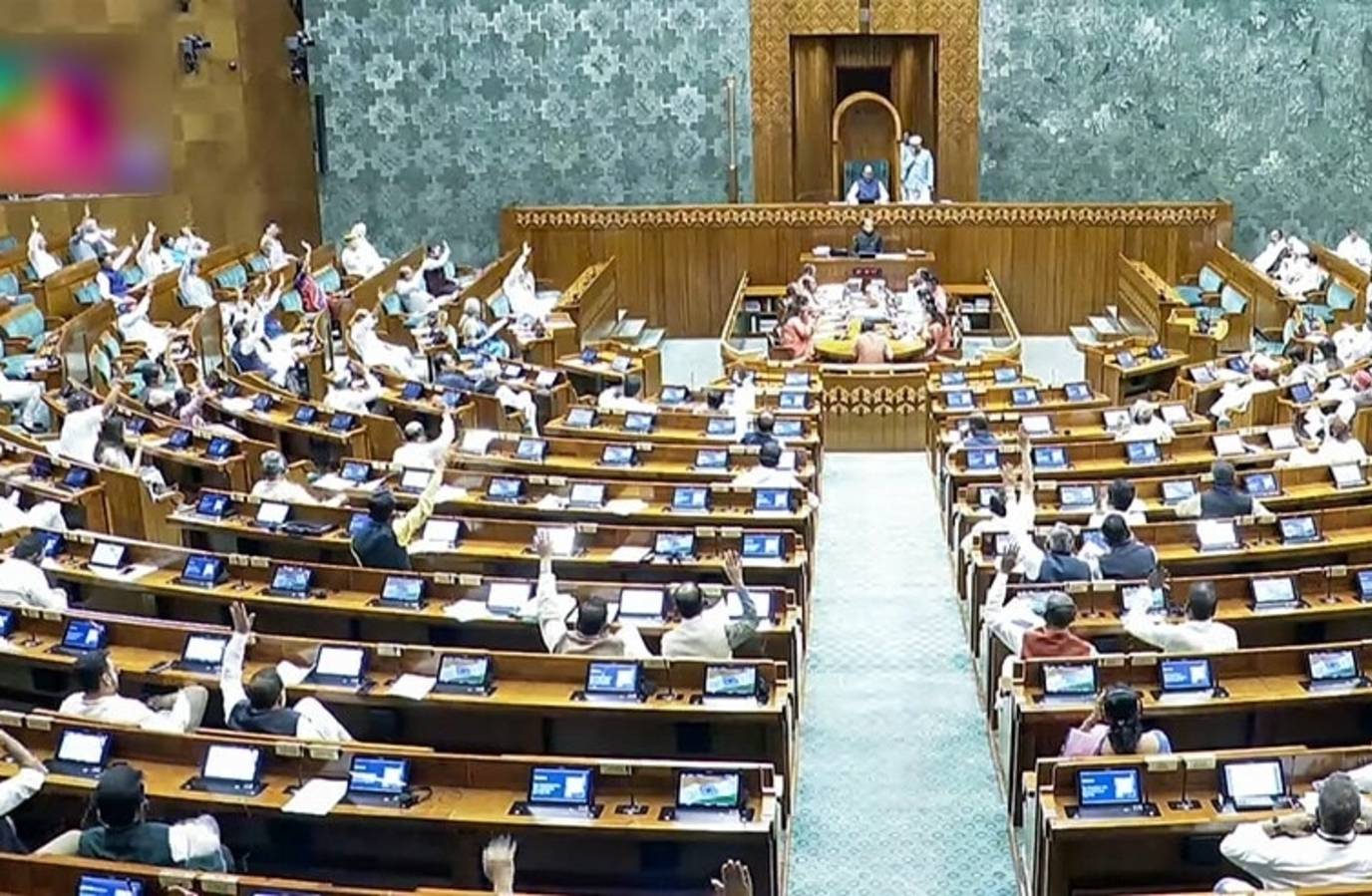
The Indian government is set to begin the exercise to redraw constituencies and increase Lok Sabha seats to 850 from the current 543 in a bid to ensure one-third reservation for women in Parliament and the population growth over the decades.
The Centre will constitute a new Delimitation Commission to carry out the exercise, which is most likely to conclude before the next General Elections in 2029.
The delimitation exercise would be based on the 2011 census, as the one set to begin this week will take another year to complete.
The biggest point of contest around the exercise is a North vs South divide, with North India with significant population growth benefitting with more proportionate seats, while South India — a significant contributor to the GDP (around 30–31%) — getting its proportionate seats reduced over lesser population growth rate.
The opposition and leaders of Southern states were the first to flag concerns over the exercise, calling it "conspiracy" and attempt that could "alter political map".
Prime Minister Narendra Modi, in a public letter addressed to women, asserted that Indian democracy will become stronger and more vibrant if elections to the Lok Sabha and the various assemblies in 2029 are held with women's quota fully in place.
However, the opposition has called for a "Hybrid Model" and hit out at the government for penalising the states with successful population control measures.
Opposition leaders have warned of massive agitations and "protests with full force" if anything was done to harm the state or if the political power of northern states was disproportionately increased in delimitation.