India’s digital payments system an ‘envy of the world’: Nirmala Sitharaman | India News
Her comments followed opposition to new UPI transaction charges, aimed at enhancing the payment system's financial sustainability. | India News
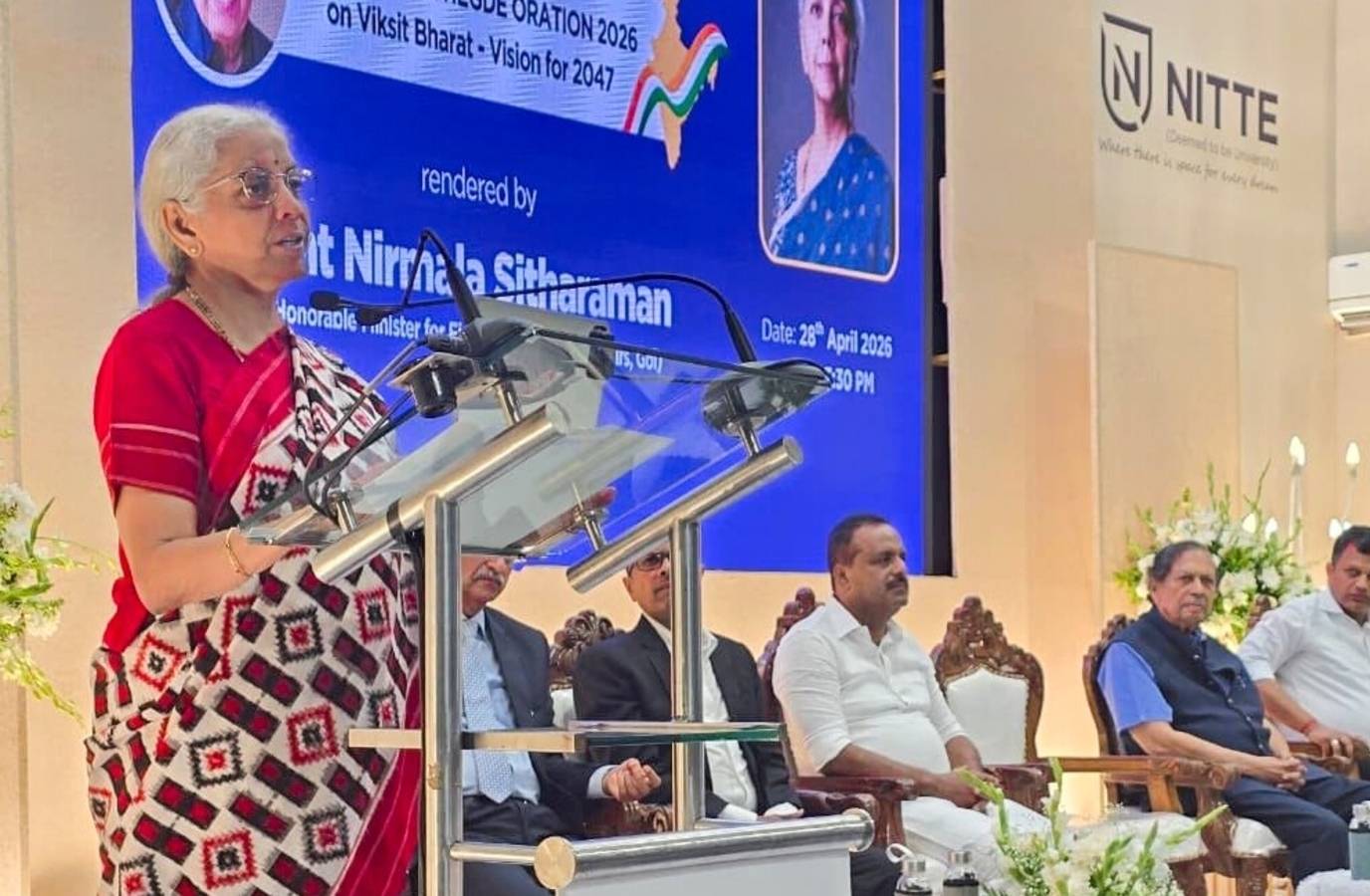
Union finance minister Nirmala Sitharaman on Wednesday described India’s digital payments system as a global success, amid a political row over the Centre’s decision to introduce charges on some UPI transactions.“As much as the digital is a success, you see the numbers of NPCI (National Payments Corporation of India), it’s an envy of the world,” Sitharaman said at the Eighth International Tax Conference in Bengaluru.Her remarks came a day after the government faced opposition over the new UPI fee framework. The changes allow a 0.4% Merchant Discount Rate on merchant transactions above ₹2,000, while smaller transactions and person-to-person payments remain outside the charge.Also Read | No foreign influence in UPI fee: Govt clarifies amid Opposition outcry over ‘US pressure’ The government has said the framework is intended to support the financial sustainability of the payment system. The Congress described the move as a step towards imposing a UPI fee.Sitharaman did not directly address the controversy over the new UPI charges in her remarks. She however pointed to the scale of digital payments and urged consumers, businesses and professionals to use them more widely.She said some high street shops continued to prefer cash despite the expansion of digital payment infrastructure.The comments formed part of a broader argument from Sitharaman that tax and economic policy should take account of how changes affect investment and economic activity. “A mature tax policy debate must go beyond sectoral considerations”.Also Read | ‘Customers will end up paying’: Bengaluru CEO weighs in on UPI MDR debateSitharaman said the government’s approach to taxation had been aimed at making compliance easier. TDS and TCS provisions had been rationalised, thresholds raised and some criminal consequences removed. “The philosophy is simple: make voluntary compliance easier and reserve enforcement capacity for cases that genuinely require it”.She also pointed to efforts to reduce tax litigation, including the Vivad se Vishwas scheme and higher monetary thresholds for departmental appeals.But it was the digital economy that brought her back to the question of how taxation can affect future investment. Sitharaman said digital companies, virtual digital assets, cloud services and cross border transactions required careful examination.Also Read | Small merchants may rethink accepting UPI over cash, says Retailers' body on merchant fee row“The implications for India and implications for outside, coldly studied. And above all, the implication that it can have in terms of further investments coming into India, coldly studied as well,” she said.