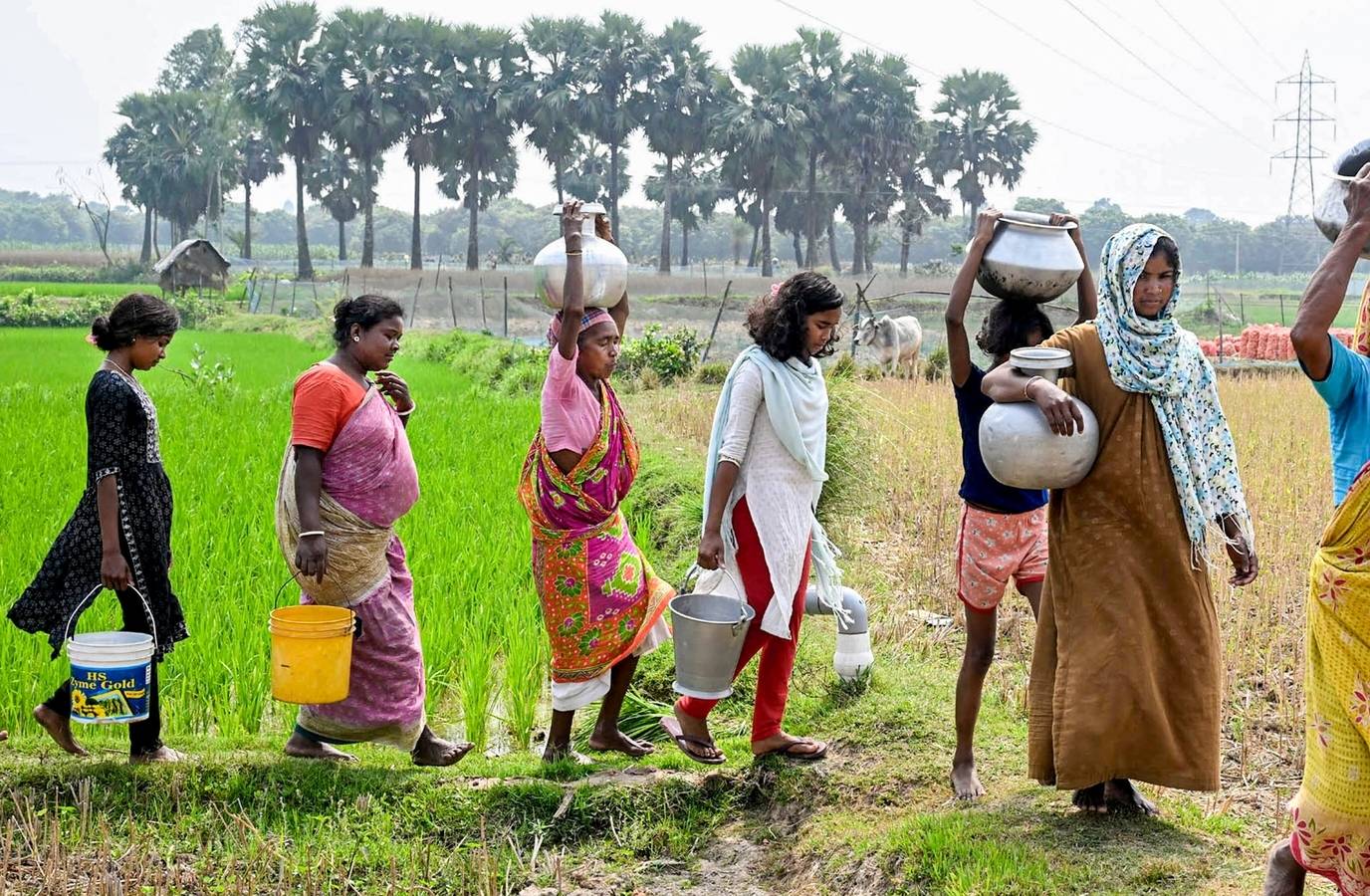
Women are at the forefront of campaigning in India's state elections, with a focus on welfare schemes that benefit them. This shift in politics is driven by a significant increase in female voter turnout, which has risen by nearly 20 percentage points since 1962. In the 2024 parliamentary election, a slightly higher proportion of women than men turned out to vote, with nearly 88% of eligible women participating in one constituency in West Bengal.
The empowerment of women, who are more likely to vote when they have a job, education, and independence, is a key factor in this change. Researchers find that women are more likely to be won over by tangible promises of welfare, such as cash-transfer schemes, rather than ideology or culture-war issues. These schemes, which provide direct cash transfers to women, have proliferated in recent years, with at least 16 states operating such programmes.
However, critics worry that these schemes are vote-buying dressed up as female emancipation, and that they distract from policies that could more durably improve lives. The BJP's promise to double the money distributed under Mamata Banerjee's Lakshmir Bhandar scheme has raised concerns about costs, with authorities spending around 1.7 trillion rupees on unconditional cash-transfer programmes in the most recent financial year.
Experts argue that a focus on cash transfers is distracting from policies that could improve education and healthcare, which are critical for women's empowerment. As India's female voters continue to earn attention from the political class, it remains to be seen whether they will be offered truly transformative policies that address their needs and improve their lives.