In the context of the ongoing Iran war, it's worth considering the difference in intrinsic strengths between nation-States and civilisational-States. A nation-State is a relatively recent creation, defined by clearly demarcated borders, a sovereign government, and a sense of shared identity. In contrast, a civilisational-State is a continuum of cultural, historical, and spiritual experiences accumulated over millennia.
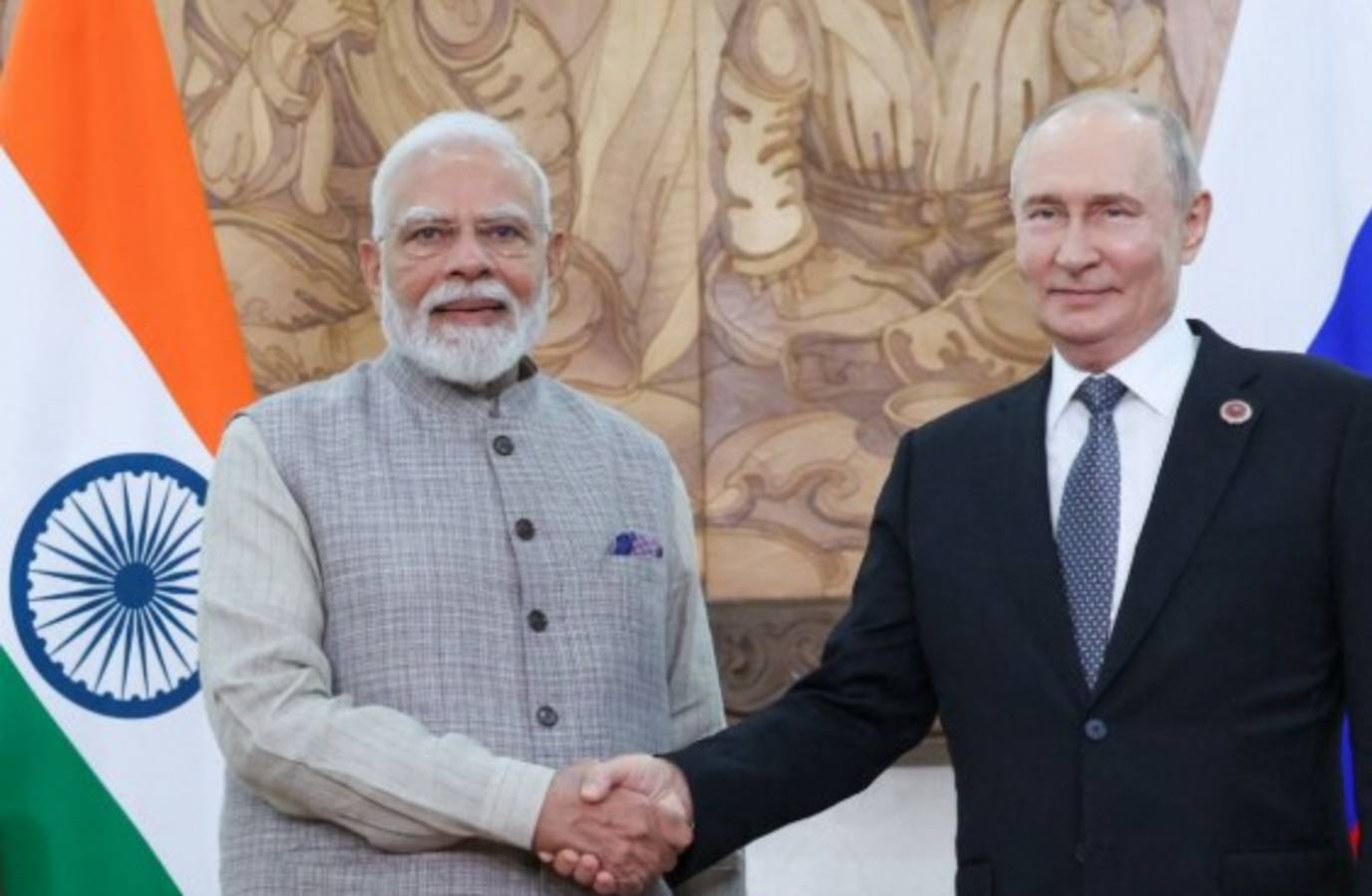
India, for instance, is a civilisational-State with a shared consciousness that transcends time. Its identity resides in a tradition that is rooted in a much older and more resilient substratum. This is evident in the ancient Puranas, which describe the sacred geography of Bharatvarsha, and in the works of Chanakya, who described Chandragupta Maurya's empire as extending from the Himalayas to the sea.
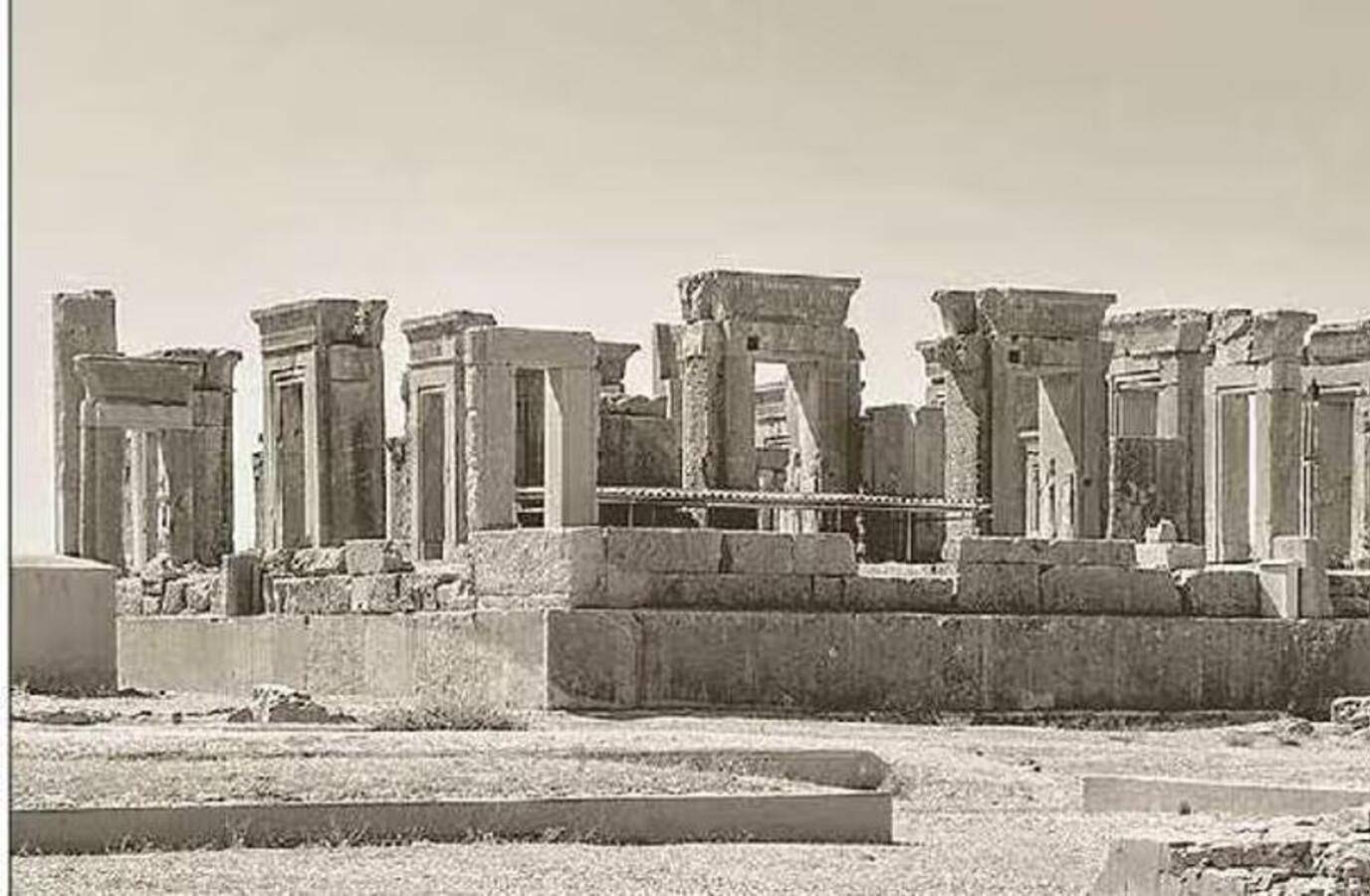
Iran, too, is a civilisational-State with a rich cultural heritage. Its identity has endured across millennia, with a shared consciousness that is rooted in a tradition of memory, culture, and identity. This is evident in the Persian language, literature, and artistic traditions, which testify to an unbroken continuity.
The US, on the other hand, has underestimated the invisible architecture of resilience that underlies civilisational-States. Armed with superior technology and economic leverage, the US has fallen into the trap of equating strength with dominance. This miscalculation can lead to misguided strategic overreach, as the US realised in Iran.
India offers a parallel. Its civilisation, defined by antiquity, continuity, diversity, assimilation, and peaks of refinement, is sashwat or eternal, and sanatan or timeless. This is why Allama Iqbal wrote that our existence has survived for millennia, despite the world's attempts to undermine us.