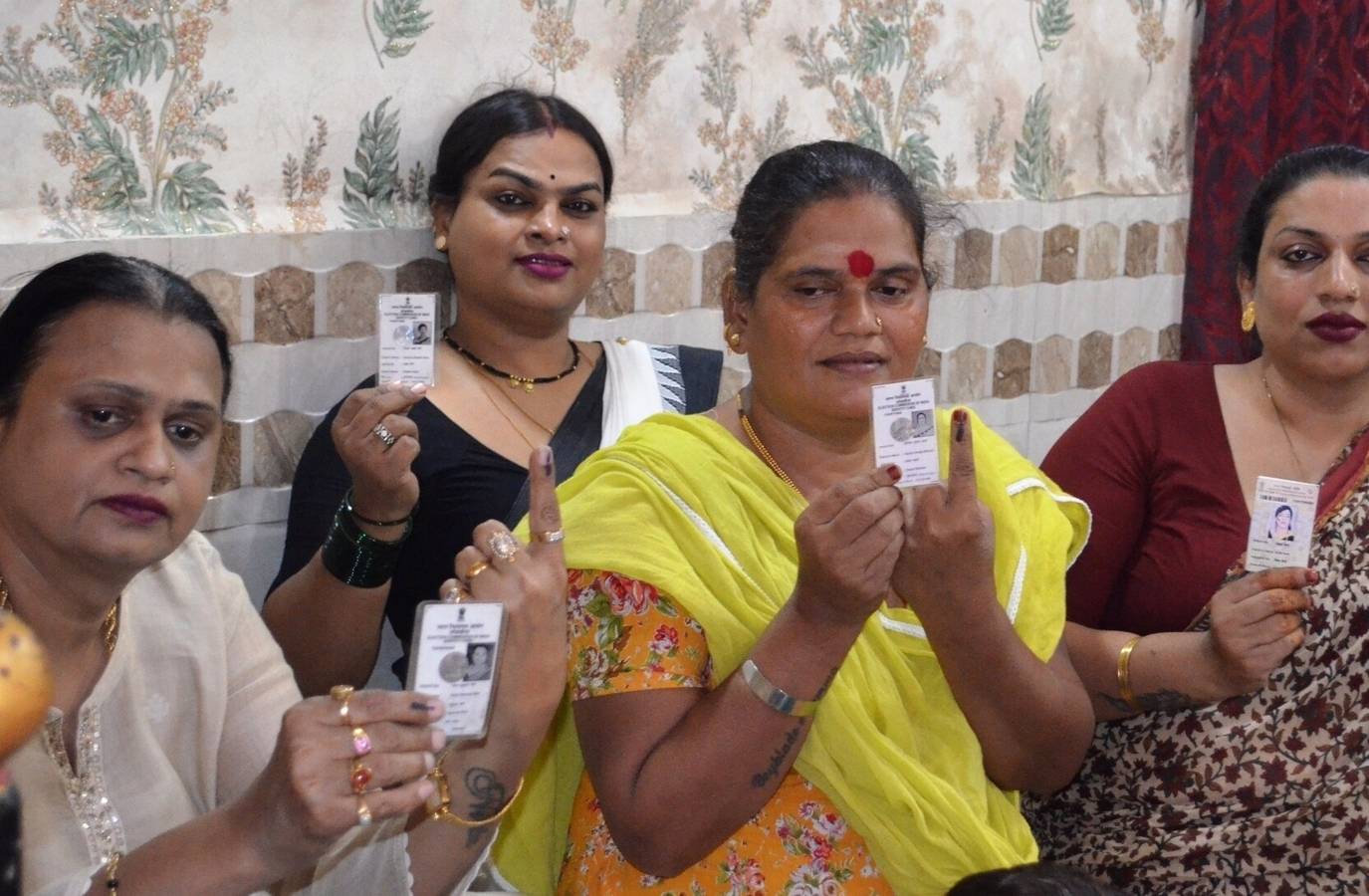
The Indian government has introduced a bill that significantly narrows the definition of transgender persons, removes the right to self-identification, and introduces medical boards for certification.
The Transgender Persons (Protection of Rights) Amendment Bill, 2026, replaces the broad, inclusive definition in the 2019 act with one rooted primarily in biological or congenital conditions and traditional socio-cultural identities.
The new definition excludes persons with different sexual orientations and self-perceived sexual identities, sparking outrage among rights advocates and transgender community members.
The bill also proposes to expand penal provisions, with punishments up to life imprisonment for offences such as kidnapping and forced mutilation of children.
Rights advocates have criticised the bill, calling it a shift from a rights-based to a medicalised approach that excludes a large number of transgender persons who do not fall within biological or traditional community categories.