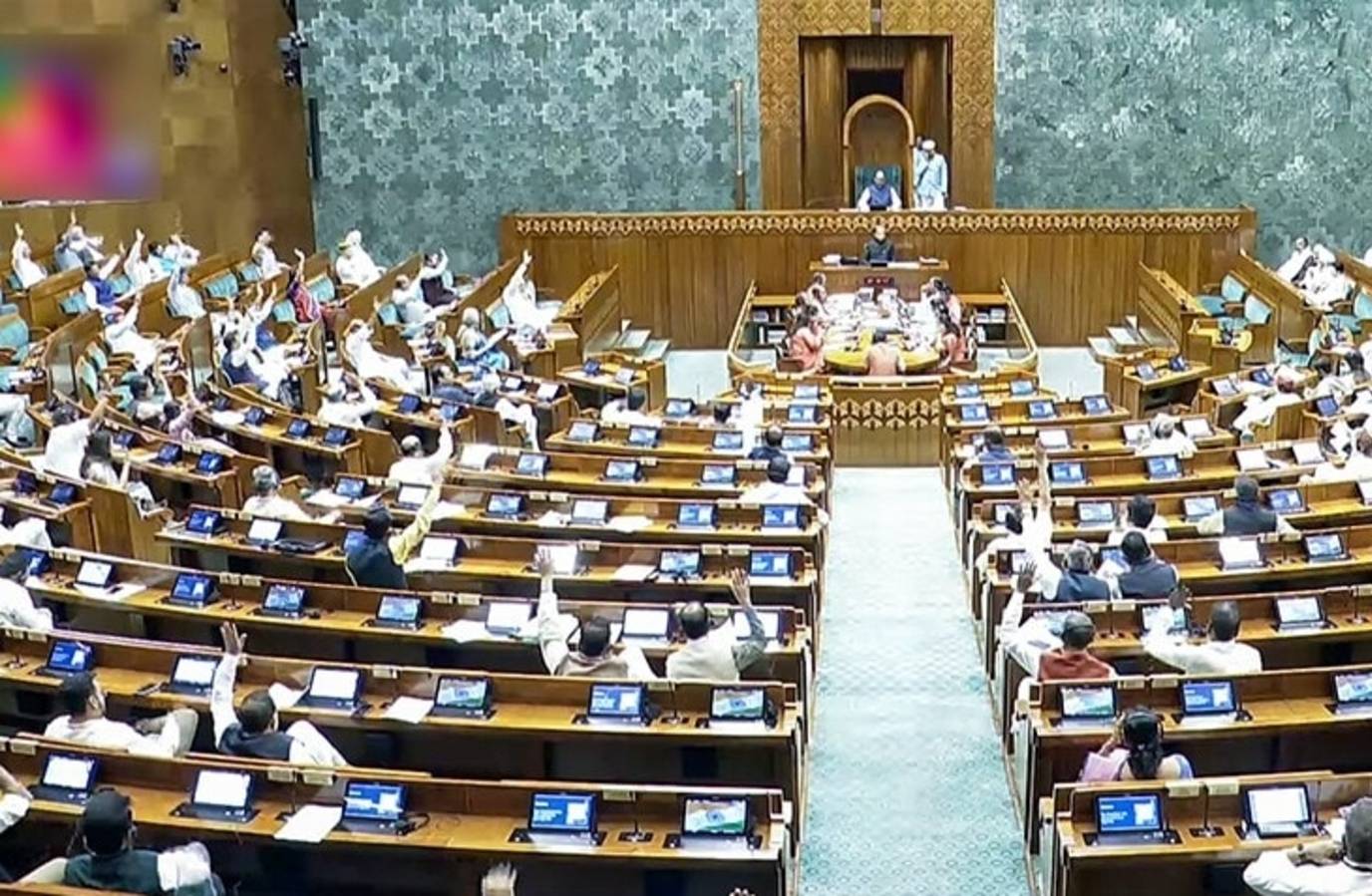
A high-stakes three-day special sitting of Parliament begins on April 16, with the Centre preparing to push key constitutional changes that could significantly reshape India's electoral map.
The Constitution (One Hundred and Thirty-First Amendment) Bill, 2026, along with the Delimitation Bill, 2026, is set to be introduced by Law Minister Arjun Ram Meghwal, while the Union Territories Laws (Amendment) Bill, 2026, will be tabled by Home Minister Amit Shah.
The Law Minister is also expected to move a proposal in the Lok Sabha to suspend Rule 66, enabling the simultaneous passage of the women's reservation amendment bill and the Delimitation Bill.
The government's proposal aims to expand the Lok Sabha from 543 to 850 seats, with a significant share expected to go to northern states.
The delimitation exercise would operationalise the long-pending one-third reservation for women in Parliament, approved in 2023, with reserved seats to be allocated on a rotational basis under the new framework.
However, opposition parties have raised concerns that the proposed exercise could disproportionately benefit northern states while reducing representation for southern and some northeastern regions.
Leader of Opposition Rahul Gandhi has been among the most vocal critics, calling the exercise a "dangerous plan" and warning that it could be used to "gerrymander" Lok Sabha seats to the BJP's advantage for the 2029 elections.