Almost a fourth of India's natural gas requirements have been impacted by force majeure conditions enforced by foreign suppliers due to the West Asia conflict. The government is procuring supplies through alternative routes to overcome the shortfall, senior officials said.
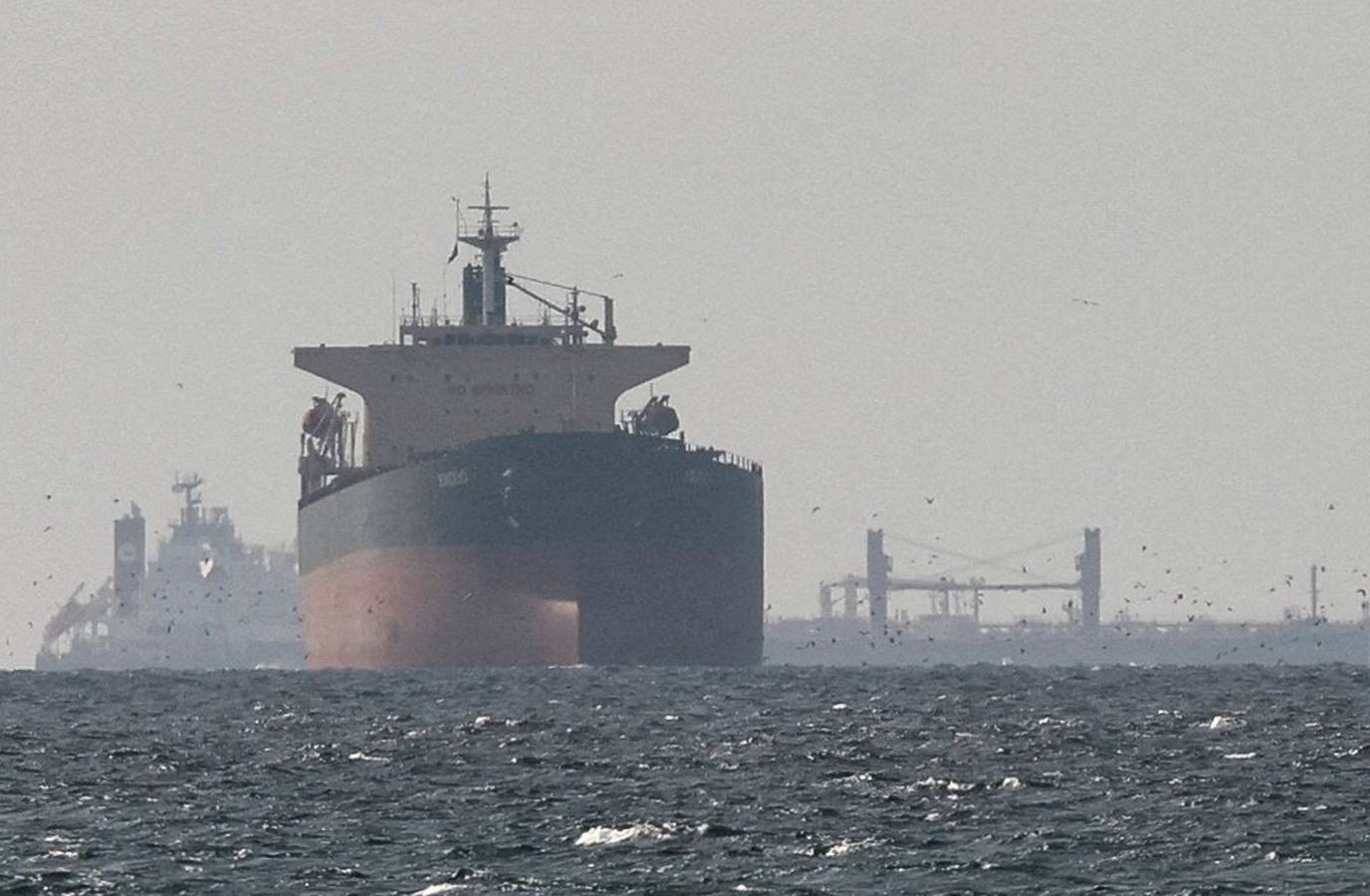
Nearly 50% of India's oil imports pass through the Strait of Hormuz, a crucial waterway effectively shut by Iran following the start of its conflict with Israel and the US. Fuel and gas prices have surged, heightening worries in India, which depends on imports to meet around 85% of its energy needs.
The government has procured two LNG cargoes from new sources, which are on their way to India. Natural gas is being procured through alternative routes to "offset this disruption", said Sujata Sharma, joint secretary in the petroleum and natural gas ministry.
India's crude oil supply "remains secure", Sharma said, adding that the country's daily consumption is about 5.5 million barrels. These requirements are being met by importing crude from about 40 countries.
Oil marketing companies (OMCs) have secured crude from different sources, and "as a result of this diversification, about 70% of our crude import is now coming from routes outside the Strait of Hormuz, compared with about 55% earlier", Sharma said.
The government has also taken steps to ensure gas allocation on priority to key sectors such as households and the automobile industry by invoking the Essential Commodities Act on March 9. India imports about 60% of its liquefied petroleum gas (LPG) needs, and 90% of this comes through the Strait of Hormuz, she said.