Why are Kannadigas in particular and South Indians in general obsessed with jaggery? Is it because sugarcane is widely available in the region? Is it that South Indians like the dry and crumbly flavour of jaggery as opposed to the unctuous nature of the khoya cream that sweetens North Indian desserts?
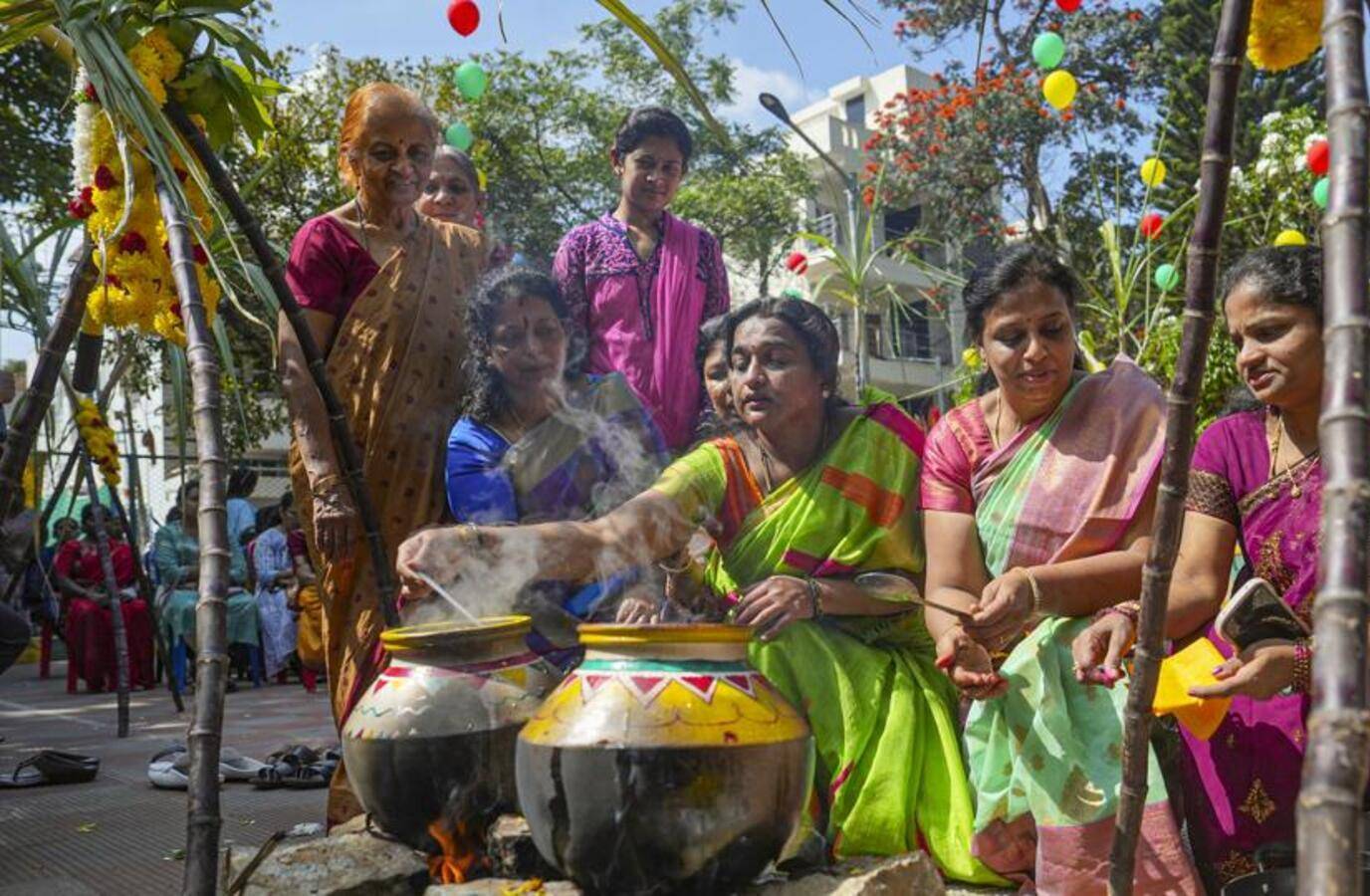
The supremacy of jaggery is most obvious during our great harvest festivals. You can see it right before your eyes. The streets are full of sugarcane which is extracted and alchemized as the jaggery that sweetens festive delicacies.
Sugarcane grew in abundance all over India. Karnataka ranks third in production of sugarcane. Within Karnataka, Mandya and Mysore are important growing centres, along with Belagavi, Bagalkot and Vijayapura.
The fields around Mandya also contain the bele or pulses that add girth to our sweets. The bella (jaggery) and the bele (pulses or lentils) are the cornerstone of sweet preparations, pretty much South of the Vindhyas.
This bele-bella combination is used in our payasa, poorly translated in English as milk pudding. While milk-based payasas thickened with rice and vermicelli are also made, the most traditional festive payasa is the bele payasa.
This bele-bella (along with kai or coconut) forms the core identity, indeed, the magic combination, of Kannadiga festive cuisine. This applies not just to sweets but also to the savoury gravies like sambhar and rasam too – because in Kalyana Karnataka, which is the region around Mysore and Bangalore, Kannadigas add a dash of jaggery to their sambhars too.