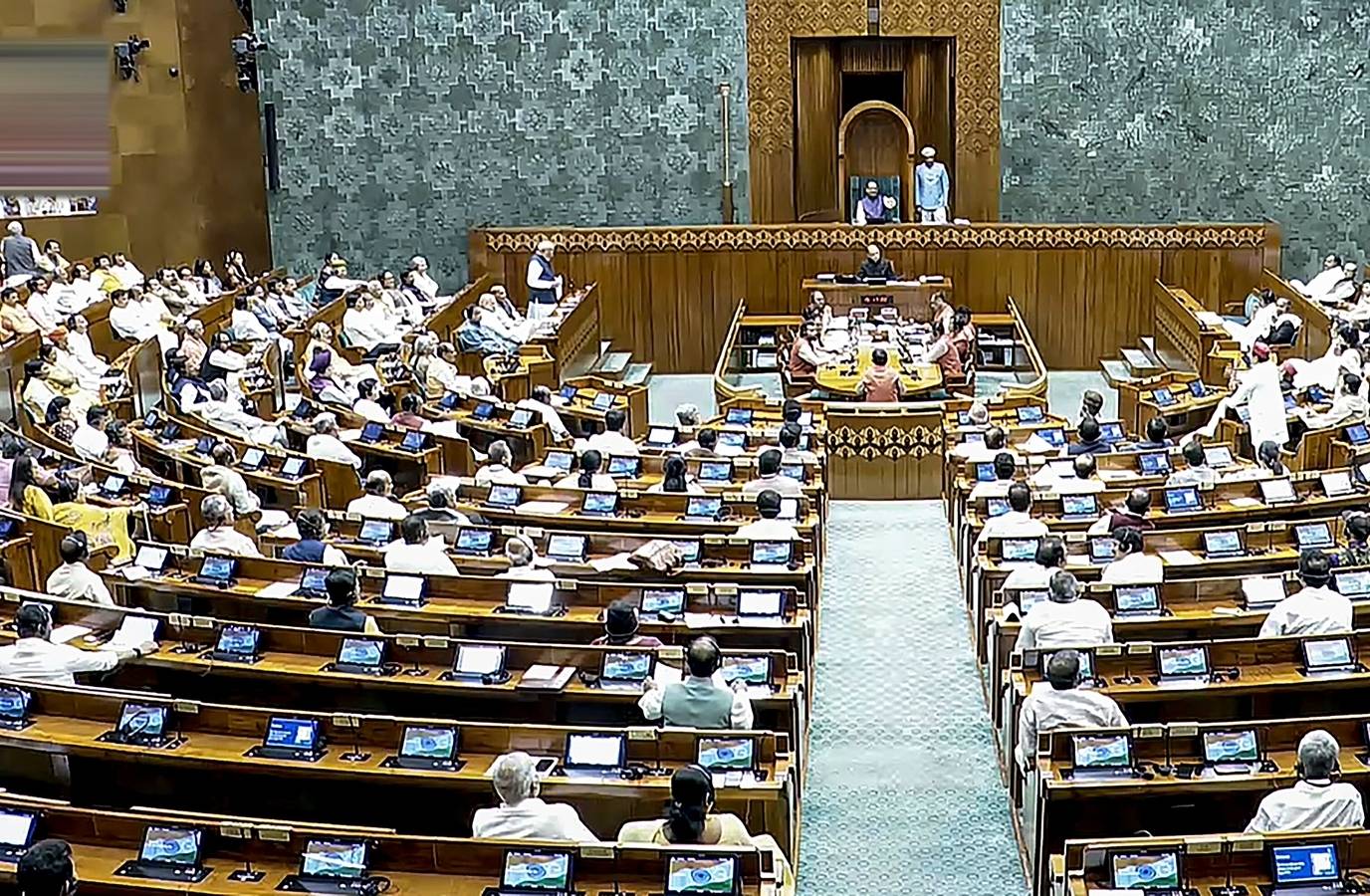
The Indian government is proposing to increase the size of the Lok Sabha to 850 lawmakers, which could lead to a diluted debate, scrutiny, and accountability.
The current Lok Sabha has a cap of 550 members, but the government plans to increase the number of seats from 543 to 816.
A larger Lok Sabha would make it the largest directly elected legislative body in the world, surpassing China's National People's Congress.
However, a closer look at the current functioning of the Lok Sabha reveals that a larger House might not always translate to a better-functioning House.
The Question Hour, where MPs ask oral and written questions to ministers, is a crucial aspect of the Lok Sabha's functioning.
But with a larger House, it might become ineffective in holding the government accountable, scrutinizing laws, and analyzing budgets.
The UK's House of Commons, which has 650 MPs, does things differently, with a split chamber system and unlimited written questions to the government.
To make the Lok Sabha truly work for the betterment of the people, structural changes will be required to address institutional issues such as the anti-defection law and the MP Local Area Development Scheme.