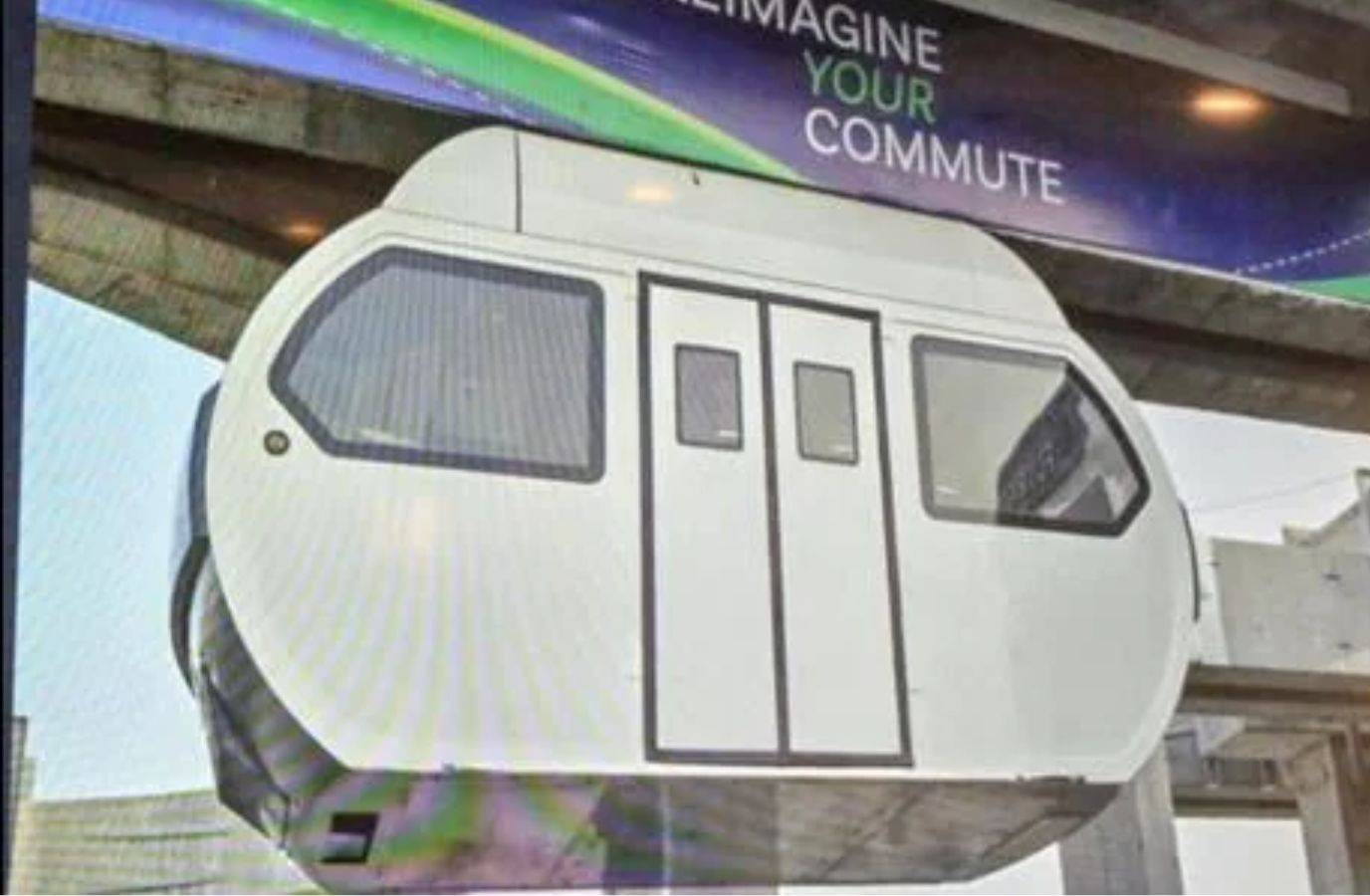
Mumbai is set to build India's first pod taxi network, an 8.8-km elevated corridor through the Bandra Kurla Complex (BKC), the city's busiest business district. The system will deploy driverless electric pods seating five to eight passengers, connecting Bandra and Kurla railway stations to commercial hubs. Operating on demand at speeds of up to 40 kmph, the pods promise zero-emission, point-to-point rides.
However, experts warn that pod taxis, though innovative for specific corridors, won't solve India's chronic last-mile crisis, which requires deeper, systemic fixes. The weakest link in a massive system, the final leg of the journey from a station to home, office, or any other destination continues to be chaotic and unreliable.
Commuters exiting metro stations or transit hubs often confront a swarm of unregulated e-rickshaws and shared autos, and congested junctions and encroached footpaths ensure walking is barely an option. No wonder then, short trips of 1-2 kilometres can take 20 minutes or much more during peak-hour traffic.
Indian cities have tried multiple approaches to fix the last mile problem, but failed. Feeder buses were introduced, but suffered from low frequency, thin ridership, and poor synchronisation with Metro timings. Informal modes took over, creating chaotic stations, safety risks, and traffic snarls.
Experts argue that the real problem is that the last mile is no one's problem. Metros are planned in isolation, road agencies build roads, and transport undertakings run buses. To bridge this gap, we need empowered and financially independent unified transport authorities that prioritise integrated planning.
Delhi Metro has tied up with aggregators such as Rapido and Bharat Taxi, but the volume of passengers served by its feeder modes is a very insignificant fraction of the 6.5-7 million daily journeys undertaken across the Metro network.
Walking remains the most efficient way to cover the last mile, provided it is safe, short, and ideally under five minutes. However, urban design remains fundamentally flawed, with infrastructure like skywalks and foot-over bridges designed to clear pedestrians out of the way of motorists rather than truly serving them.
Delhi is adopting a 'neighbourhood-first' bus model to fill the last-mile gap, deploying smaller electric buses designed to navigate narrow lanes and underserved colonies. However, experts argue that such investments in buses are far more useful than capital-intensive grand projects like monorails and pod taxis.