Raghav Chadha's big push for Indian women at Uzbekistan event: ‘Don’t just ask them to vote, but…' | India News
Raghav Chadha was at the 12th Inter-Parliamentary Union (IPU) Global Conference of Young Parliamentarians in Uzbekistan's Samarkand earlier this month. | India News
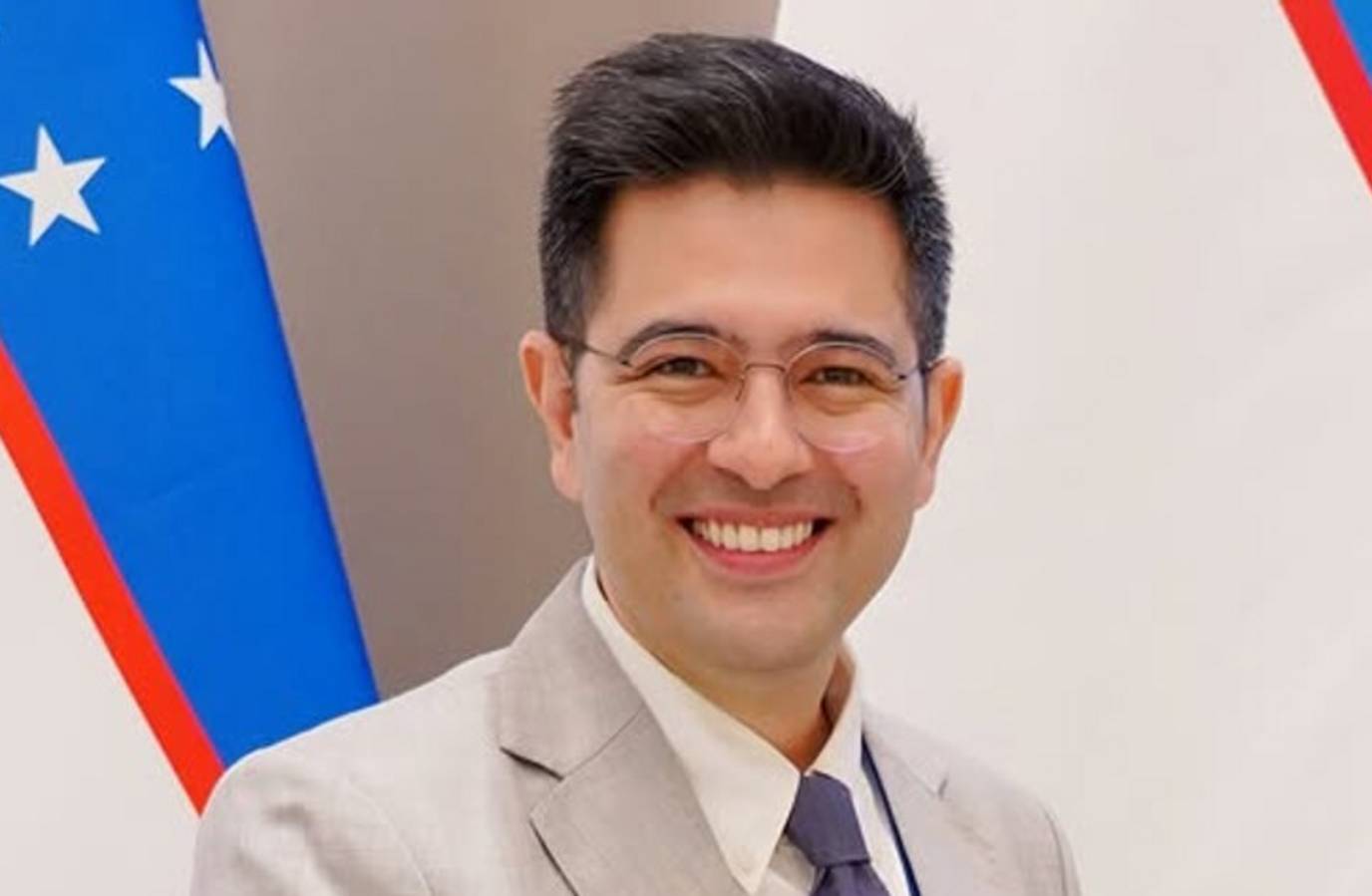
BJP MP Raghav Chadha represented India at the 12th IPU Global Conference of Young Parliamentarians in Uzbekistan's Samarkand, where he spoke about women’s political participation in India. The country has seen a shift from “women’s development” to “women-led development”, Chadha told parliamentarians.Speaking at a session on ‘Ensuring Political Rights for Women’, Chadha said women should not just benefit from government policies but should also play an active role in democracy as voters, entrepreneurs, elected representatives and decision-makers.“I speak as a young member of Parliament on behalf of India,” Chadha said. “India’s message is simple: Don’t just ask women to vote. Enable them to govern. Don’t just give them a seat. Give them authority. Don’t just speak of empowerment. Make it irreversible.”ALSO READ | Delhi CEO denies AAP claim that Raghav Chadha’s voter entry bypassed rulesWomen’s voter turnoutTalking about women’s participation in elections, Chadha said over 476 million women were registered voters in the 2024 Lok Sabha election. Women’s turnout was around 67%, slightly higher than that of men.He noted that it was the second consecutive general election in which women’s participation exceeded that of men. “Indian women are not waiting at the doors of democracy, they are helping determine its direction,” Chadha said. 1.45 million women representativesChadha also highlighted women’s representation in grassroots governance, saying India has around 1.45 million elected women representatives in Panchayati Raj institutions.ALSO READ | ‘No cash, no complications’: Raghav Chadha highlights UPI-UZQR link to simplify payments for Indians in UzbekistanWomen account for approximately 46% of representatives at this level, he said. He added that 21 states have gone beyond the constitutional minimum and provided 50% reservation for women in panchayats.“These women are not just symbols or office holders. They lead communities, prepare local plans and deliver public service,” he said.Women’s reservation in legislaturesAt the highest level of decision-making, Chadha cited the Nari Shakti Vandan Adhiniyam, or the Women’s Reservation Act, which provides a constitutional path towards one-third reservation for women in the Lok Sabha and state legislative assemblies.ALSO READ | Raghav Chadha living in Delhi, not Punjab: AAP hits back at ‘shifted’ name claim over draft voter rollsChadha said the legislation was not only about representation but also about giving women greater authority and decision-making power.“This not merely means representation, it's the voice, the authority, and the decision-making power being given to women,” he said.The BJP MP ended his address by repeating his message on women’s political empowerment.In the event, Cadha also spoke of India’s UPI as a model of digital inclusion at the 12th IPU Global Conference of Young Parliamentarians in Uzbekistan. He said UPI’s integration with Uzbekistan’s UZQR system will enable Indian travellers to make direct bank payments by scanning QR codes.Chadha said India’s digital inclusion rests on four pillars: access, agency, safety and opportunity. He said the cost of 1 GB of data had fallen from ₹269 in 2014 to ₹8, a 97% reduction. On digital agency, he cited UPI, saying the payment system “belongs to no bank or technology company.” UPI processed more than 240 billion transactions worth ₹314 trillion in 2025-26, he said.Young parliamentarians meet in SamarkandThe 12th IPU Global Conference of Young Parliamentarians was held on September 4 and 5 and brought together lawmakers from around the world.Co-hosted by the Senate of the Oliy Majlis of the Republic of Uzbekistan, the conference was held under the theme “Reclaiming human rights, justice and dignity for all in turbulent times”.Over two days, young parliamentarians discussed how legislatures can protect young people affected by conflict and address challenges including digital governance, online safety, data privacy, misinformation, climate change, unemployment and political violence.In their outcome document, the young MPs reaffirmed that human rights are the foundation for safe, dignified and empowered lives. They also said these rights were being tested by conflicts, emerging technologies, environmental crises and growing economic and political uncertainty.