
‘Rules are less respected now globally, leading to emergence of choke points': EAM Jaishankar in New York | India News
Jaishankar also talked about a paradox in global diplomacy, where every country has a strong sense of competition but the interdependence also deeper than ever. | India News
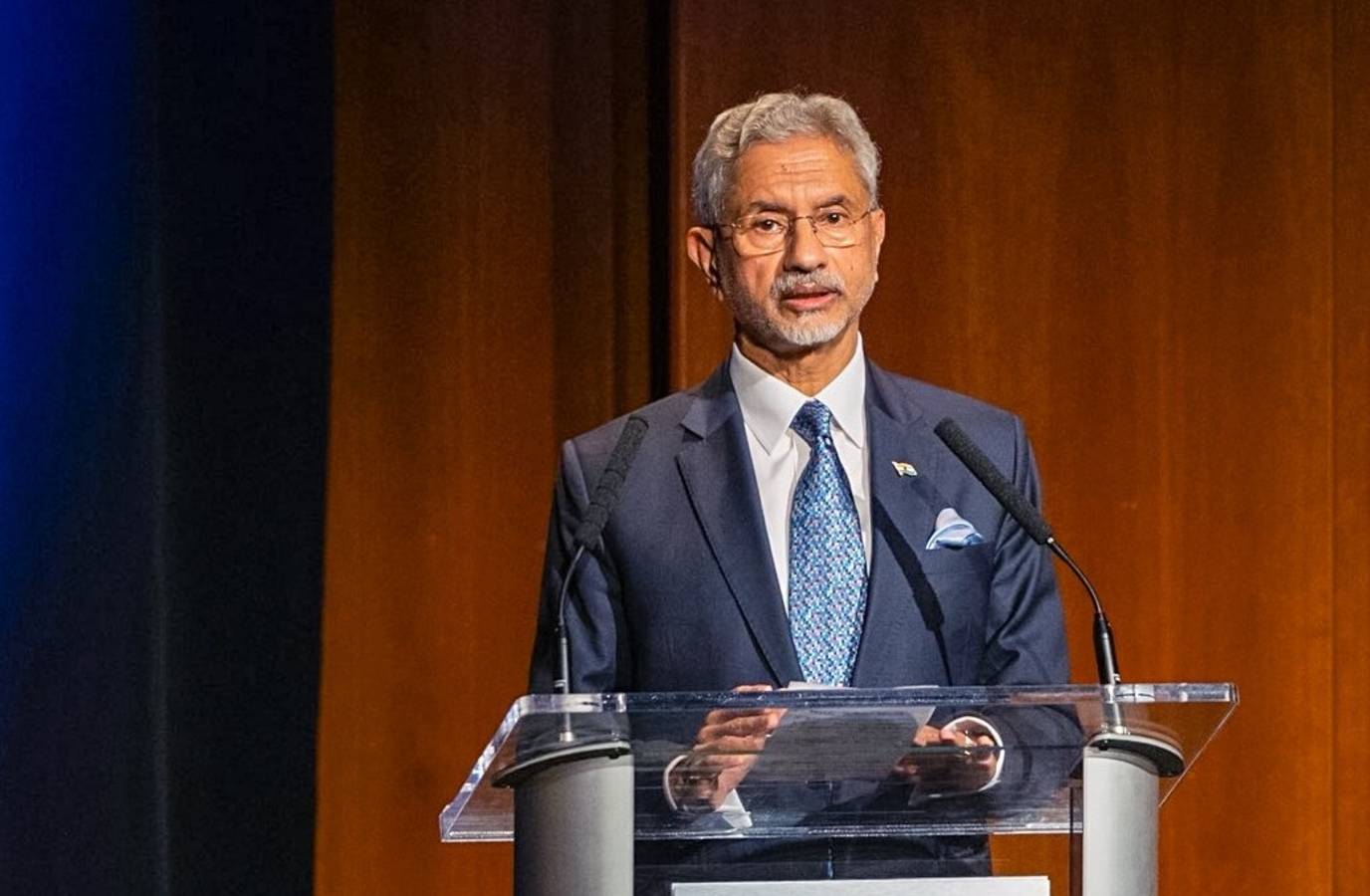
External affairs minister S Jaishankar on Tuesday said that rules are being less respected now globally than they used to be before, which has led to emergence of “choke points” such as in the Strait of Hormuz and financial choke points created through sanctions.He said that countries today are exercising whatever leverage they have over their competitors or adversaries in this “very competitive environment”.Jaishankar made the remarks while addressing the Asia Society event in New York. “The first point is that countries feel that our position is up or down, but we have leverage; we need to use it. The fact is that rules are less respected than they used to be before; assumptions are being challenged. The consequence of that, what we have seen, especially in the last 4-5 years, is the emergence of choke points,” the foreign minister said. Also read: Jaishankar on US ties: Lack of understanding on India's cross-border terror concerns can impact relationsHighlighting the various kinds of choke holds that have emerged, he said, “choke points of every nature: geographical choke points, such as what we are seeing at Hormuz; financial choke points through sanctions; travel choke points and market access choke points.”“So anything that countries of influence and clout have, which they believe they can wield in this very competitive environment vis-à-vis their adversaries or competitors today, is being exercised,” he added.'Paradox of competition and interdependence'Jaishankar also talked about a paradox in global diplomacy, where every country has a strong sense of competition but the interdependence also deeper than it ever was, which has made diplomacy a “very challenging task”.Also read: 2 MHA officials held for seeking illegal gratification for FCRA registrationHe said that while interdependence is a “reality”, the feeling of competition is a “sentiment”. “...The paradox of our times is that on the one hand, there is a very strong sense of competition... This coexists with a deeper and deeper interdependence. So that interdependence is the reality; the competition is the sentiment. Much of what we see in terms of policy choices, policy debates, and approaches of countries to each other and to the world is how countries are torn between these two — the desire to compete and the constraints and the challenges of what happens when competition goes ahead," Jaishankar said.He added that between competition and interdependence, “friendly fire” is also thrown in nowadays for good measure.“This makes diplomacy a very challenging task," he said.