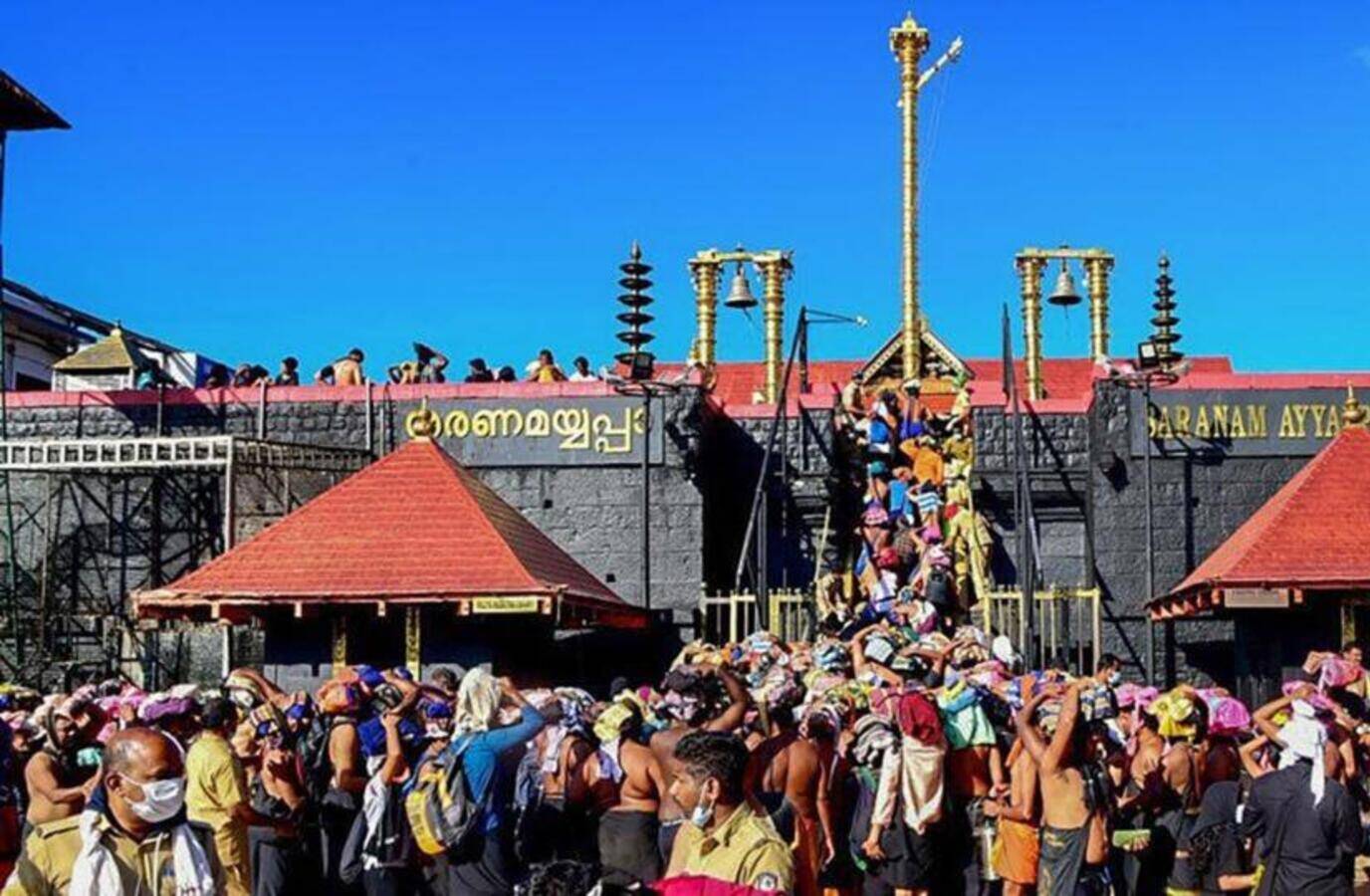
Last week, I participated in a heated debate on the Sabarimala temple controversy, which has sparked intense discussions on faith, equality, and the path to reform. As a lifelong student of Hindu philosophy, I believe that spirituality unites, while religion often divides. The exclusion of women between 10 and 50 from the shrine of Lord Ayyappa is unconstitutional, yet the matter refuses to settle.
The defenders of the ban invoke religious custom, arguing that Lord Ayyappa is a celibate ascetic and that the presence of women of reproductive age is incompatible with the sanctity of this vow. However, this argument raises a larger question: is religious custom sacrosanct forever?
Indian history suggests otherwise. Religion in India has evolved continuously through introspection, reform, and reinterpretation. The practice of sati, where widows were compelled to immolate themselves on the funeral pyres of their husbands, was once defended as a sacred duty rooted in scriptural sanction. However, determined opposition led to it being outlawed in 1829.
The case of Sabarimala must be seen in this broader historical context. The exclusion of women between 10 and 50 is based on the notion that menstruation renders them impure or that their presence disturbs the celibate austerity of Lord Ayyappa. However, such reasoning sits uneasily with the spiritual philosophy that underpins Hinduism itself.
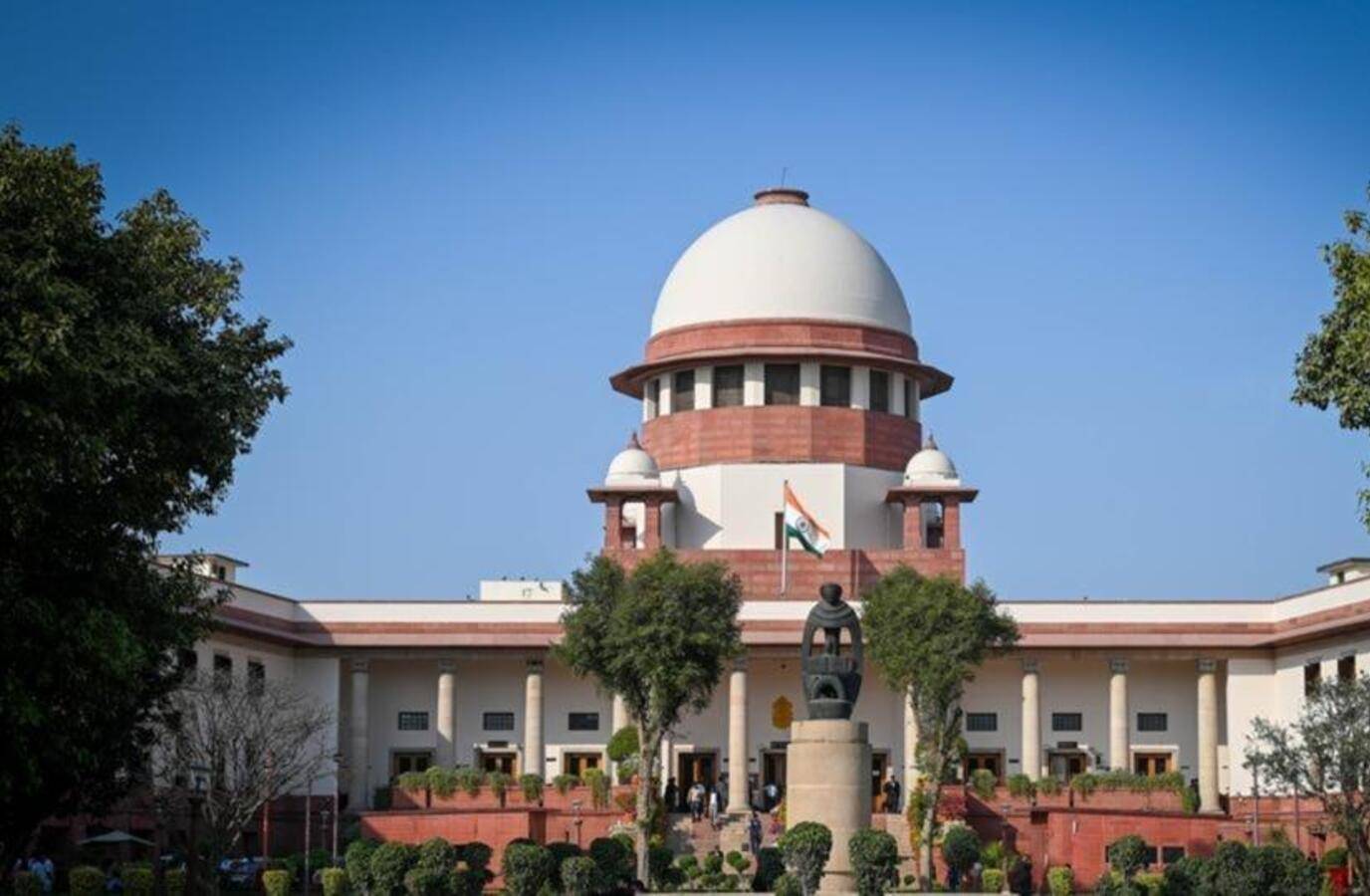
The Indian Constitution enshrines equality as a foundational principle. When religious practices conflict with these constitutional values, society must ask whether such practices deserve continued protection. Law alone cannot resolve what is essentially a social and cultural question.
Reform in India has rarely succeeded through confrontation alone. It has required dialogue, persuasion, and the gradual reshaping of social attitudes. The Sabarimala controversy should be approached with sensitivity as well as firmness. Devotion deserves respect, but discrimination cannot be defended in its name.
India's civilisational history offers a clear answer. Time and again, when confronted with the choice between rigid orthodoxy and humane reform, the nation has moved towards greater justice. The Sabarimala debate is another chapter in that long journey. Faith need not fear equality. Indeed, when religion embraces the dignity of every human being, it acquires a deeper and more enduring sanctity.