SC Constitution's watchdog, must bite if warnings don't work: Ex-Justice Kurian Joseph amid anti-CEC protests | India News
Kurian Joseph said that citizens had a responsibility to respond to such circumstances through informed and peaceful demonstrations. | India News
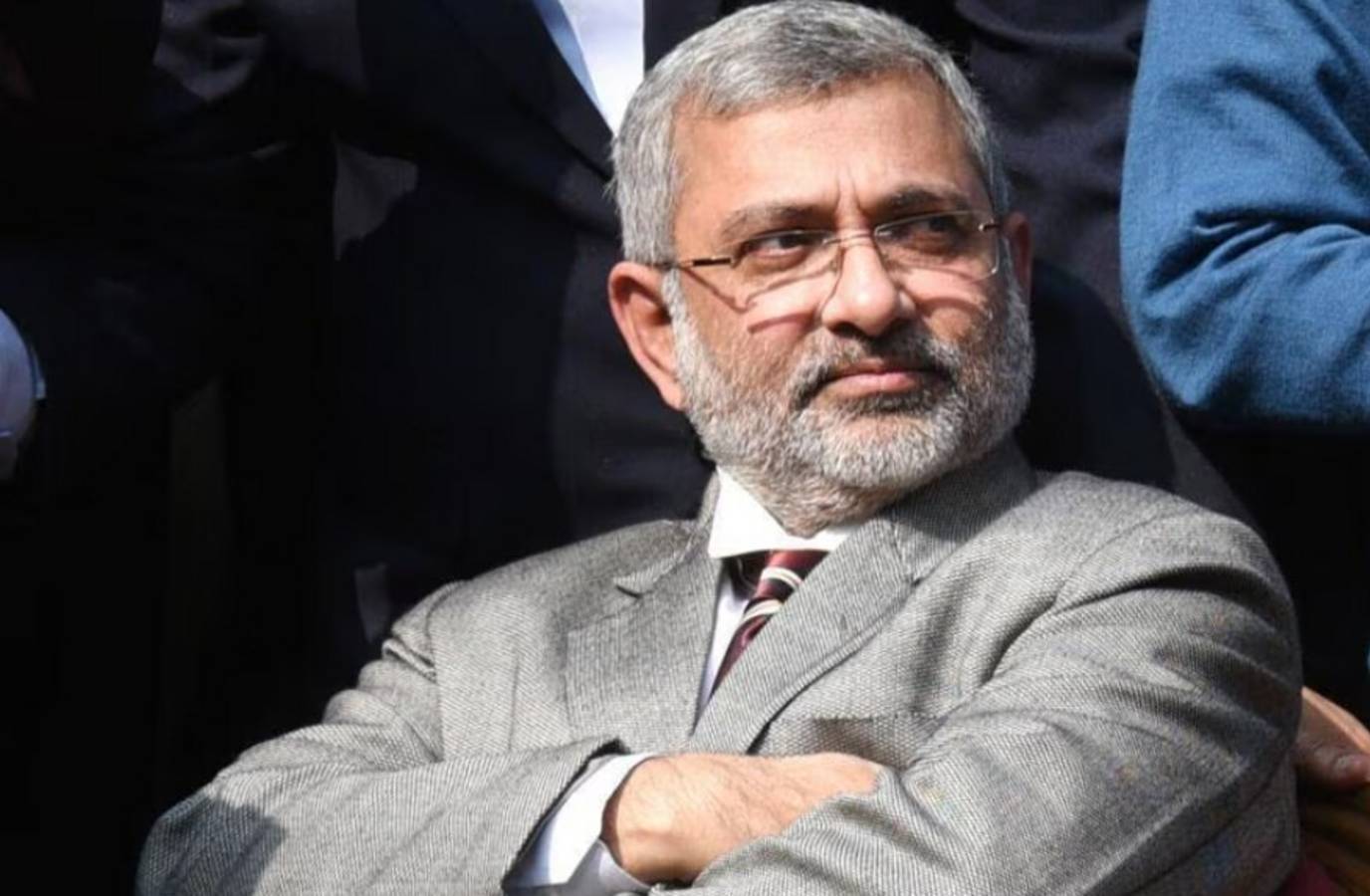
Former Supreme Court justice Kurian Joseph has said constitutional courts must do more than raise concerns when their interventions fail to protect democracy, drawing an analogy between the judiciary and a watchdog entrusted with guarding the Constitution.“We have heard that famous saying that the barking dog seldom bites. But this watchdog, this guardian (the Supreme Court), is bound to bite also if the barking does not lead to the desired result,” Justice Joseph was quoted as saying by Bar and Bench.According to a LiveLaw report, the former SC justice also said that the Chief Election Commissioner is “an institution, not a person” and the Supreme Court, as the Constitution’s watchdog, is “bound to bite” if its warnings don't work.Speaking at a constitutional convention on the theme “Independence of Election Commission of India – Compromised?”, he stressed that courts must fulfil their constitutional responsibilities when institutions face threats to their independence. The event was organised by the Indian Association of Lawyers (IAL) of Kerala at the Kerala High Court Chamber Complex.His remarks come amid protests in Delhi demanding the resignation of Chief Election Commissioner (CEC) Gyanesh Kumar over allegations of irregularities in the revision of electoral rolls. The demonstrations have involved mass detentions, restrictions on movement and disruptions to public services, prompting the Supreme Court to intervene.‘Street coming to the rescue of democracy’Justice Joseph said declining public confidence in constitutional institutions had made peaceful public protests necessary when Parliament and the judiciary failed to protect democratic principles.Citing socialist leader Dr Ram Manohar Lohia, he said, “When the Parliament and courts fail, then the street would come to our rescue.”“The credibility of the institutions, there is a perception which is very grossly shaken, and that is the reason what we see in the street. As Dr. Ram Manohar Lohia said, now the street is coming to the rescue of democracy,” said Justice Joseph.He added that citizens had a responsibility to respond to such circumstances through informed and peaceful demonstrations.“They have a duty to come out in an informed way and in a civil way to protest and also take steps for the protection of democracy,” he said.‘Compromised integrity’ of EC chief a threat to democracyAddressing concerns over the independence of the Election Commission of India (ECI), Justice Joseph warned that the integrity of the person heading the constitutional body was central to its autonomy.“Once the integrity of the person holding that high office is compromised, then there is no independence, and that is the death knell for democracy in India,” said Justice Joseph.He called for constitutional amendments to safeguard the Election Commission's independence, particularly concerning the appointment of its members and their service conditions.“There should be an appropriate amendment to the Constitution itself regarding the appointment and service conditions of the Election Commission, rather than leaving it to Parliament,” he said.“The EC's appointment and service conditions should be ingrained in the Constitution itself. That would probably serve as a better safeguard and go a long way in ensuring the integrity and independence of the EC and will be in tune with the Constitution,” added Justice Joseph.He also questioned why the removal process for the Chief Election Commissioner differed from that applicable to other Election Commissioners. Justice Joseph argued that members holding equivalent status should receive the same safeguards.Justice Joseph flags silence within legal fraternityThe former Supreme Court judge also expressed concern over divisions within the legal fraternity, recalling the role lawyers have played in defending the Constitution during threats to democracy, regardless of political and communal differences.“I always held a position that the silence of the lawmen would create more violence, more problems in society than the violence of the lawless men,” he said.He also explained the responsibility of constitutional courts by describing them as watchdogs whose role is to alert citizens when the Constitution faces a threat.“We always say the constitutional courts, and more particularly the Supreme Court of India, are the guardians of the Constitution, the watchdogs of the Constitution. When does the watchdog bark? It barks when something entrusted to its custody is sought to be or perceived to be or threatened to be disturbed. It barks because the custodian, owner, we the people, should be alerted.”Reiterating the importance of an independent Election Commission, Justice Joseph said the institution's autonomy was essential to the constitutional framework.“It is meant to be independent, and is never meant to be otherwise,” said Justice Joseph.