Supreme Court breaks own 3-month limit, delivers order two years after reserving it | India News
Just three months ago, the SC prescribed three months as the outer limit for the other constitutional courts to deliver reserved judgments. | India News
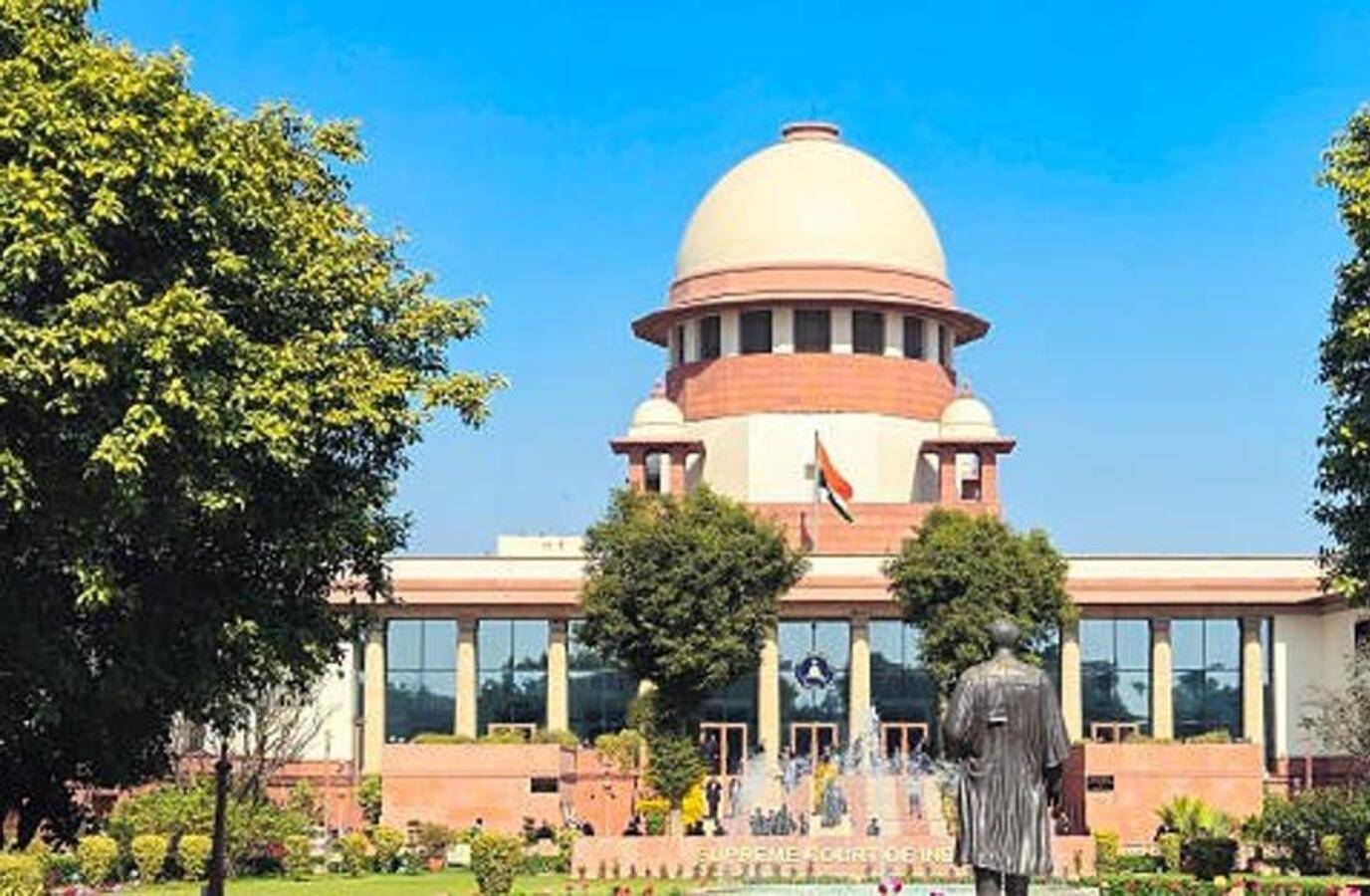
The Supreme Court’s prescription for judicial delay has run into an uncomfortable question of its own. It took a bench in the top court more than two years to pronounce a judgment it had reserved on May 15, 2024, even as the same court, just three months ago, prescribed three months as the outer limit for the other constitutional courts to deliver reserved judgments.A bench of justices JB Pardiwala and Manoj Misra on Monday refused to quash a CBI corruption and cheating case against pharmaceutical major Sanofi India Limited over alleged irregularities in the purchase of medicines by the Bhabha Atomic Research Centre (BARC) in Mysuru, involving an alleged loss of ₹3.53 lakh to the government.Also Read I Supreme Court orders SITs to probe fraud motor accident claimsIn its 99-page judgment, the bench laid down the parameters for holding a corporate entity criminally liable, saying a company, though a juristic person, could be prosecuted without necessarily arraigning or identifying the natural person responsible for its affairs.The court, however, said it was not enough merely to allege that a corporation committed an offence or possessed the requisite mens rea (mental state required to establish criminal liability). The allegations must prima facie disclose that some natural person or people acted on behalf of the corporation, that such action was connected with the offence in question and that the surrounding circumstances did not make the existence of mens rea “patently absurd or inherently improbable”.Judgement in Sanofi caseTo be sure, the judgment in the Sanofi case was reserved on May 15, 2024, when senior advocate Sidharth Luthra appeared for Sanofi and the CBI was led by Additional Solicitor General SV Raju. The verdict was finally delivered only on Monday, taking the period between reservation and pronouncement to more than two years. The case itself had been pending before the Supreme Court for over seven years, with proceedings before the Bengaluru CBI court remaining stayed for that period following the top court’s 2019 order.The timeline of the verdict in this case assumes significance against the backdrop of a judgment delivered by a bench headed by Chief Justice of India Surya Kant on May 29, when the Supreme Court laid down sweeping and binding timelines for high courts to decide cases and pronounce reserved judgments. The May judgment directed that high courts “shall endeavour” to pronounce a reasoned judgment within a maximum period of three months from the date of reservation. It also created an institutional mechanism to flag delays, requiring registrars general to place judgments pending beyond three months before the chief justice concerned, who could direct the bench to pronounce the judgment within two additional weeks. If the judgment still remained pending, the chief justice could assign the matter to another bench for fresh hearing and disposal.SC's efforts to limit time taken in judgementsThe directions were framed under Article 142 of the Constitution after the Supreme Court noticed several criminal appeals, including cases involving life convicts, in which judgments had remained reserved for years. The bench had stressed that judicial delays could not be allowed to undermine litigants’ rights, particularly where personal liberty was involved.The latest judgment thus comes against a backdrop in which the Supreme Court itself has repeatedly sought to impose discipline on the time taken by constitutional courts to conclude matters after hearings.Also Read I ‘Waiting for my retirement?’ CJI rejects Aravalli panel’s February deadlineMonday’s judgment is also not an isolated instance of prolonged reservation by the apex court. Earlier this year, at least three other judgments were pronounced by different Supreme Court benches after having remained reserved for 11 months or more, highlighting that the problem of delayed pronouncement is not confined to the high courts.The Supreme Court had confronted this issue more than two decades ago as well. In Anil Rai Vs State of Bihar, decided in 2001, the top court took note of a practice among some high court judges of reserving judgments and then either forgetting to pronounce them or pronouncing only the operative portion while promising to deliver the detailed reasons later. The court had then laid down safeguards against such delays. Significantly, it said that where a judgment remained reserved for more than six months, the litigants could make an application to the chief justice concerned for listing the case for fresh hearing before another bench.