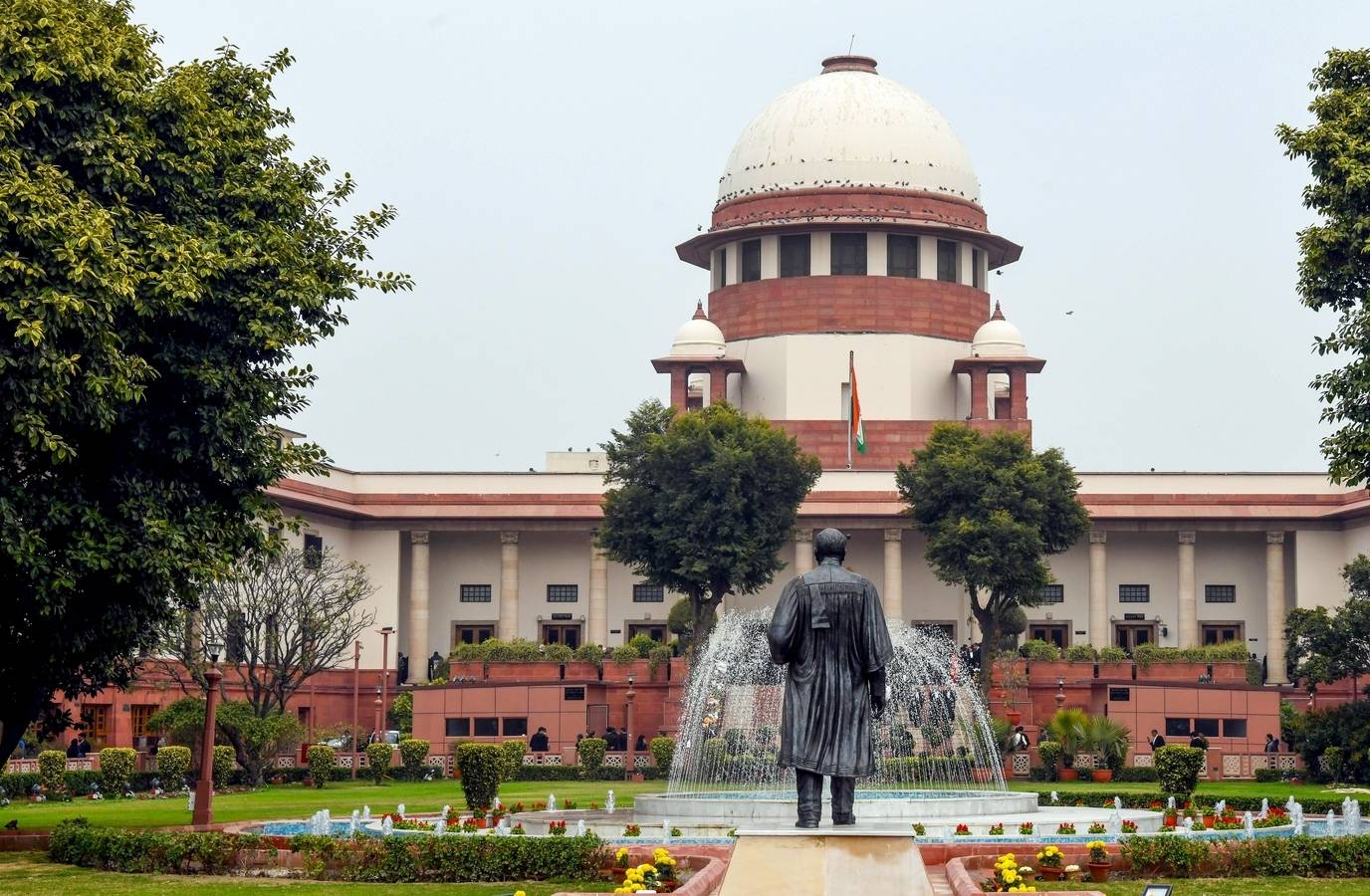
New Delhi: The Supreme Court has ruled that a man's right to privacy can be trumped by a child's lifelong search for the identity of their father, directing a DNA test to determine paternity.
A bench of justices Sanjay Karol and N Kotiswar Singh dismissed an appeal by a man resisting a DNA examination and upheld an order directing genetic testing to determine whether he was the biological father of the claimant born in 1999.
The court balanced competing rights, saying that the case involved not merely the privacy concerns of the alleged father but also the claimant's lifelong quest for certainty about their identity.
The dispute arose from a civil suit filed by the claimant seeking a declaration regarding their paternity, with the alleged relationship between their mother and the appellant dating back to January 1999.
The Supreme Court underlined that the question of paternity was not a collateral issue but lay at the heart of the litigation itself, and that a DNA test was necessary to resolve the dispute.
The judgment revisited recent rulings governing DNA testing in family disputes and reiterated that such tests cannot be ordered routinely, requiring courts to balance privacy, dignity, and social consequences against a child's legitimate interest in knowing their biological parentage.