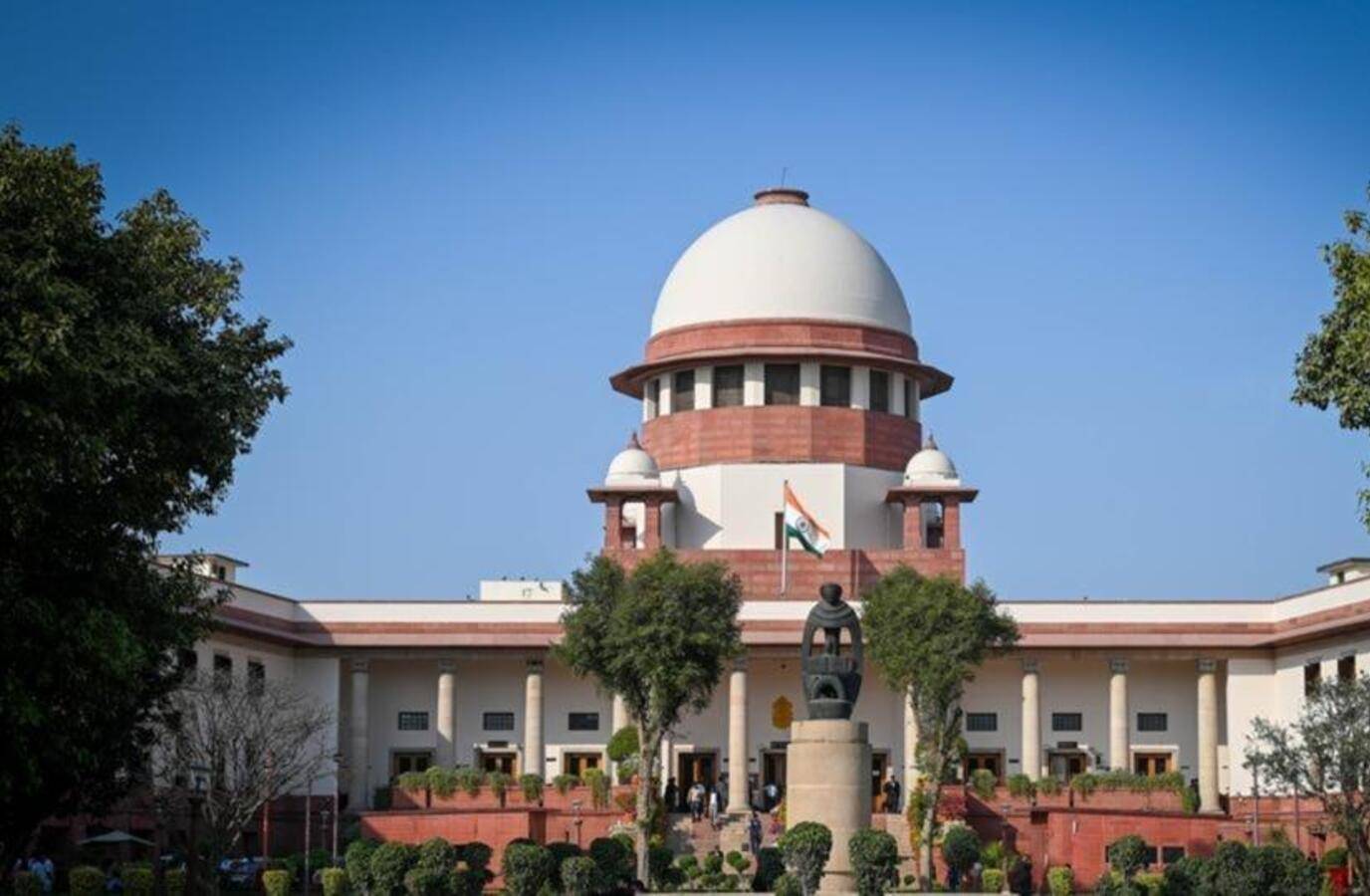
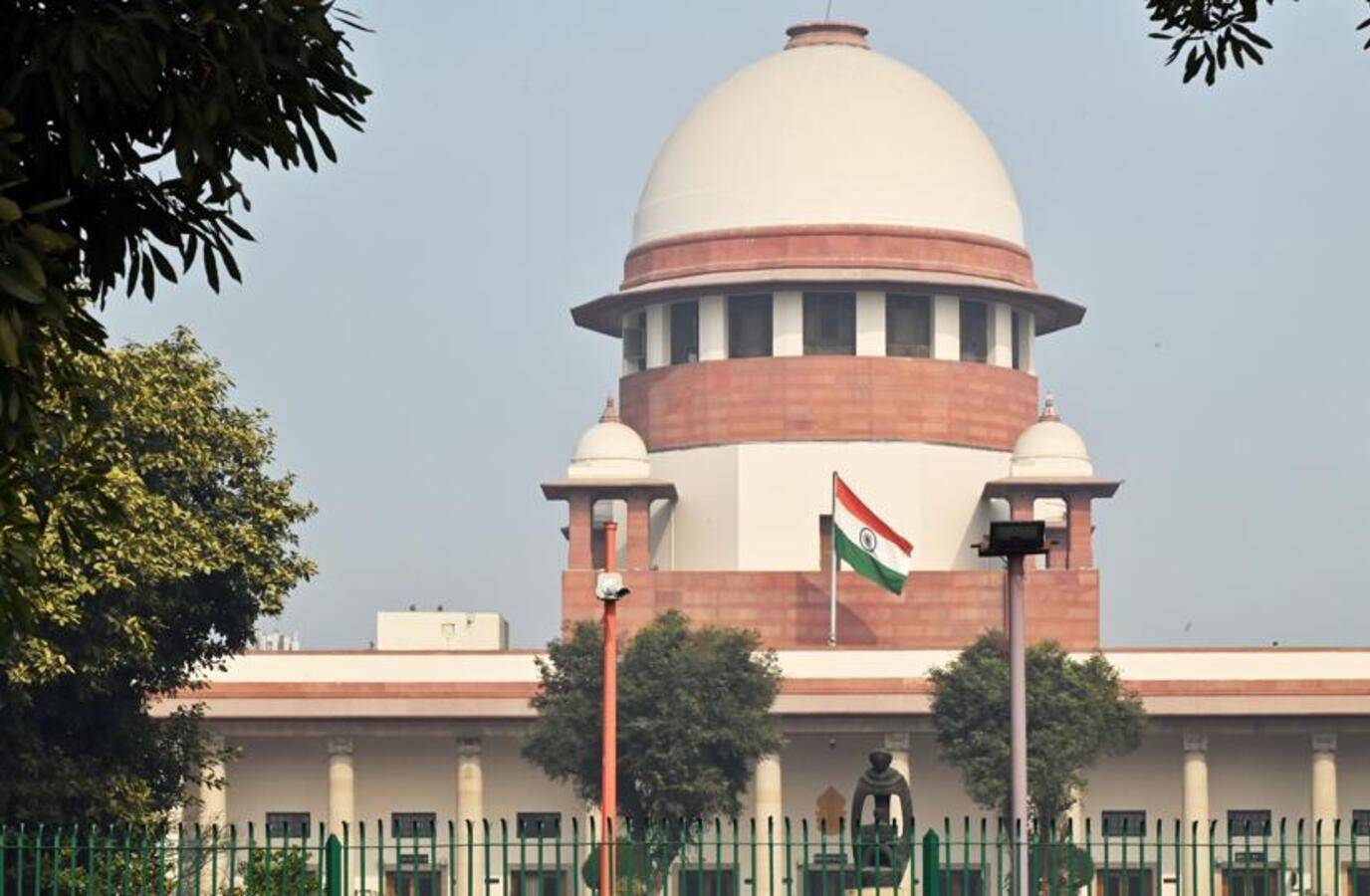
The Supreme Court has agreed to decide the legality of the Centre's Fact-Checking Unit, which aims to flag fake or misleading information about the government. The court has issued notices to several parties, including comedian Kunal Kamra and the Editors Guild of India, who challenged the rules enabling the unit.
The Bombay High Court had struck down the provision in September 2024, holding it unconstitutional and potentially chilling for free speech. The Supreme Court has declined the government's request to stay the ruling, instead deciding to lay down the law on the matter.
The court has flagged concerns over the role of digital platforms in amplifying harmful content and emphasized the need to strike a balance between combating misinformation and safeguarding constitutional freedoms.
The case relates to Rule 3(1)(b)(v) of the Information Technology Rules, which empowered the government to notify a fact-check unit to identify online information about the government that is 'fake or false or misleading'. The Supreme Court has directed the respondents to file their counter-affidavits within four weeks and listed the matter for hearing after six weeks.