The Supreme Court has underscored the delicate balance between judicial restraint and constitutional duty in matters of faith, observing that while courts cannot "hollow out religion" in the name of social reforms, there may be situations where "constitutional dharma" would necessitate intervention.
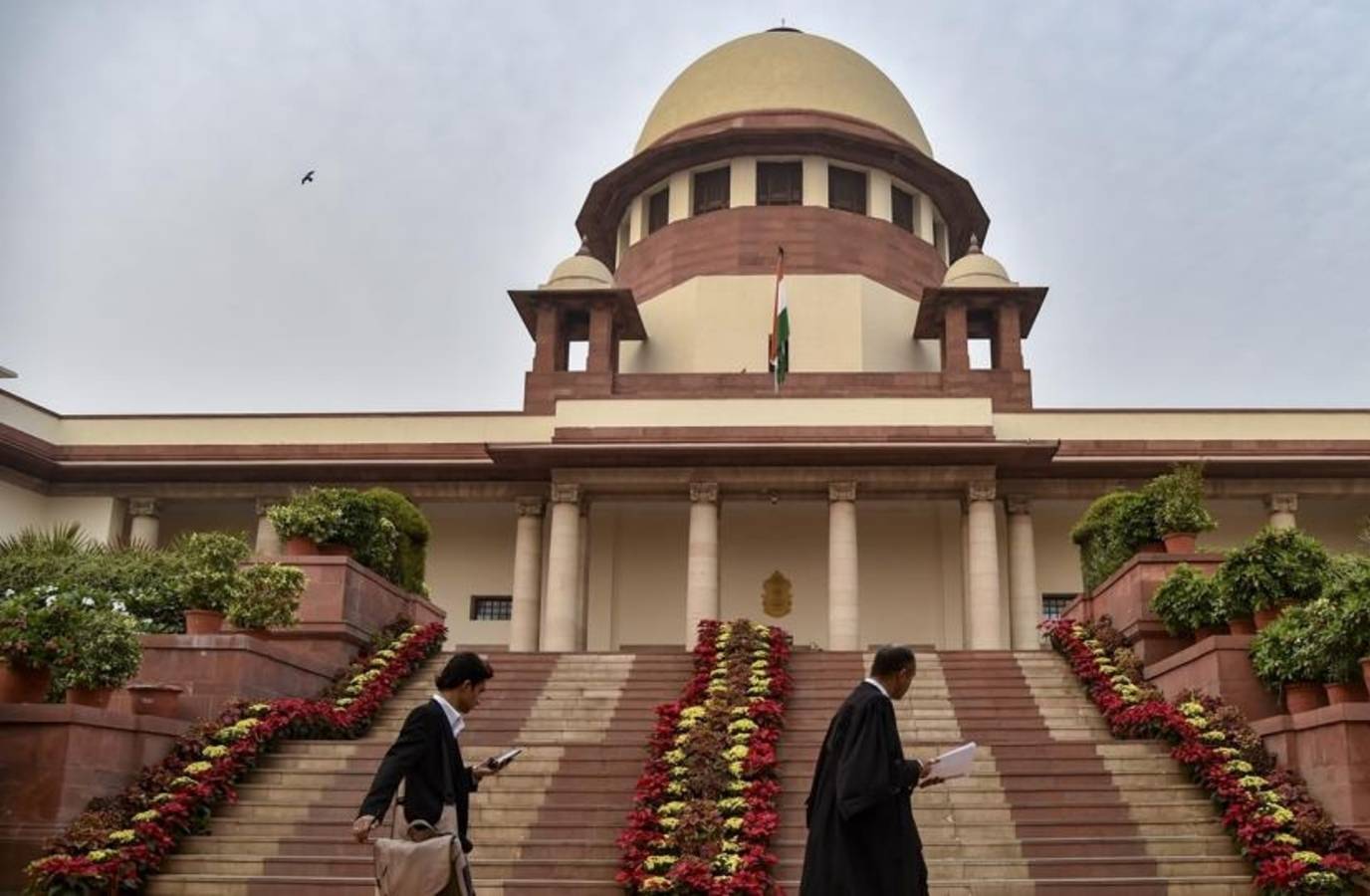
The remarks came during the fourth day of hearings before a nine-judge bench led by Chief Justice of India Surya Kant in the Sabarimala reference, as the court grappled with the limits of judicial review over religious practices and denominational rights.
The bench also includes justices BV Nagarathna, MM Sundresh, Ahsanuddin Amanullah, Aravind Kumar, AG Masih, R Mahadevan, Prasanna B Varale and Joymalya Bagchi.
"Social welfare reform is preserved in the Constitution," observed the CJI, even as Justice BV Nagarathna cautioned that "we cannot hollow out religion in the name of social welfare reform."
The exchange unfolded as senior advocate Abhishek Manu Singhvi, appearing for the Travancore Devaswom Board, which manages the Sabarimala temple in Kerala, sought to draw a firm boundary around judicial scrutiny of religious practices.
Singhvi argued that courts must adopt a "subjective" approach rooted in the beliefs of the religious community itself, rather than applying external or objective standards of rationality.
"Courts cannot and should not rewrite the practices and tenets of a religion or rationalise it," he submitted, cautioning against what he described as the dangers of imposing judicial notions of morality on faith.
The hearing will continue on Thursday. The nine-judge bench is tasked with answering seven foundational questions arising from the 2019 reference, including the contours of essential religious practices, the balance between individual rights and denominational autonomy, and the limits of judicial review in matters of faith.