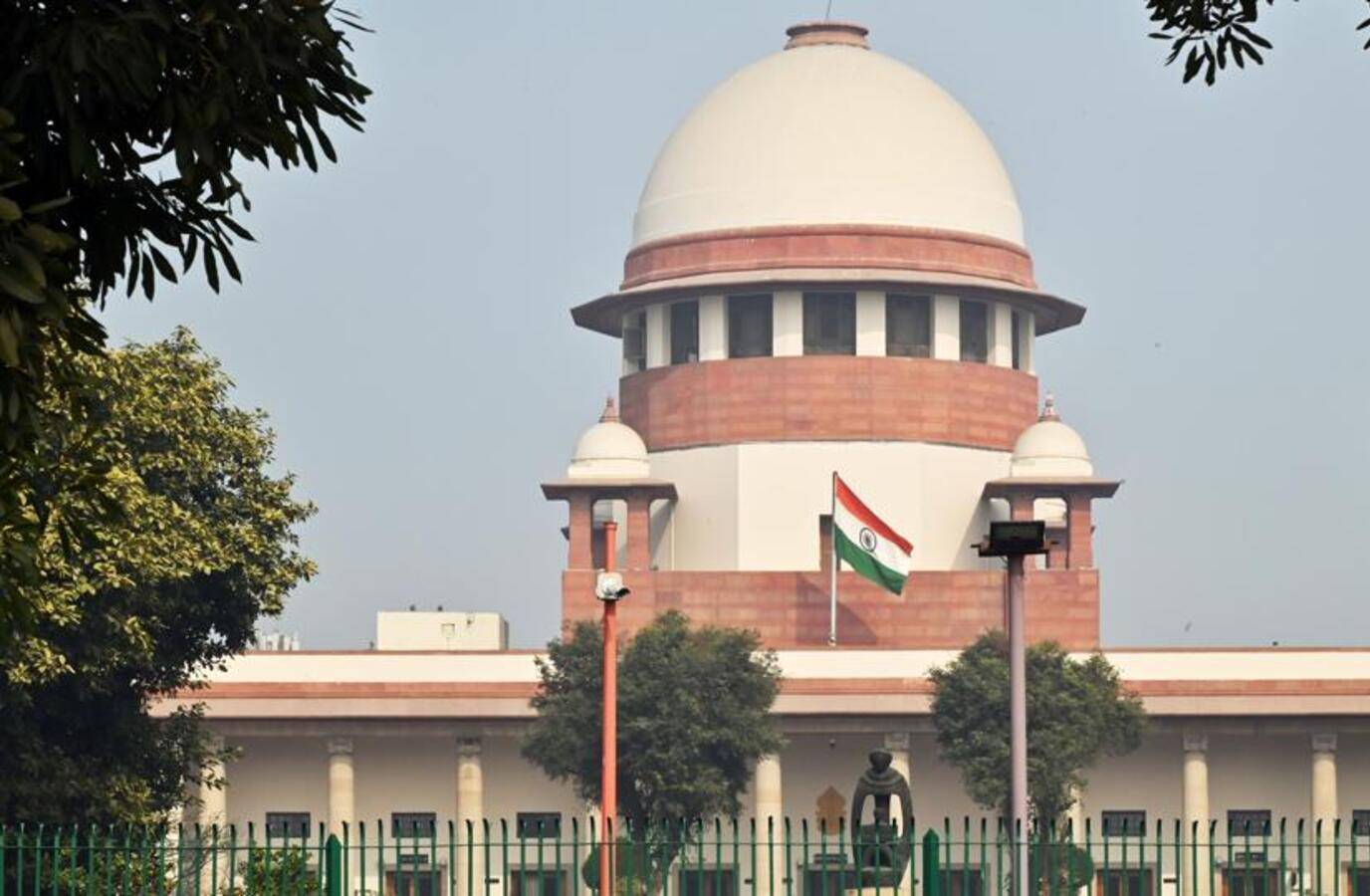
The Supreme Court has urged the Indian government to consider enacting a comprehensive law governing end-of-life care, citing a serious legislative gap that has repeatedly forced the judiciary to step in.
The court's judgment, allowing passive euthanasia for a 32-year-old man in a permanent vegetative state, highlighted the need for a statutory framework to regulate end-of-life medical decisions.
Justice JB Pardiwala noted that the prolonged absence of legislation has compelled the judiciary to frame guidelines, which were never intended to be a permanent substitute for legislation.
The court urged the government to enact a comprehensive legislation on end-of-life care, citing the need for greater clarity and certainty in an area marked by complex medical, ethical, and emotional questions.
The continued absence of legislation exposes vulnerable patients and their families to serious risks, the court warned, and may lead to decisions being influenced by factors unrelated to medical judgment or patient autonomy.