Woman subjected to involuntary sex by husband 'undoubtedly a victim': Supreme Court grapples with marital rape exception | India News
A Karnataka case involving a husband accused of treating his wife like a “sex slave” was presented before the top court. | India News
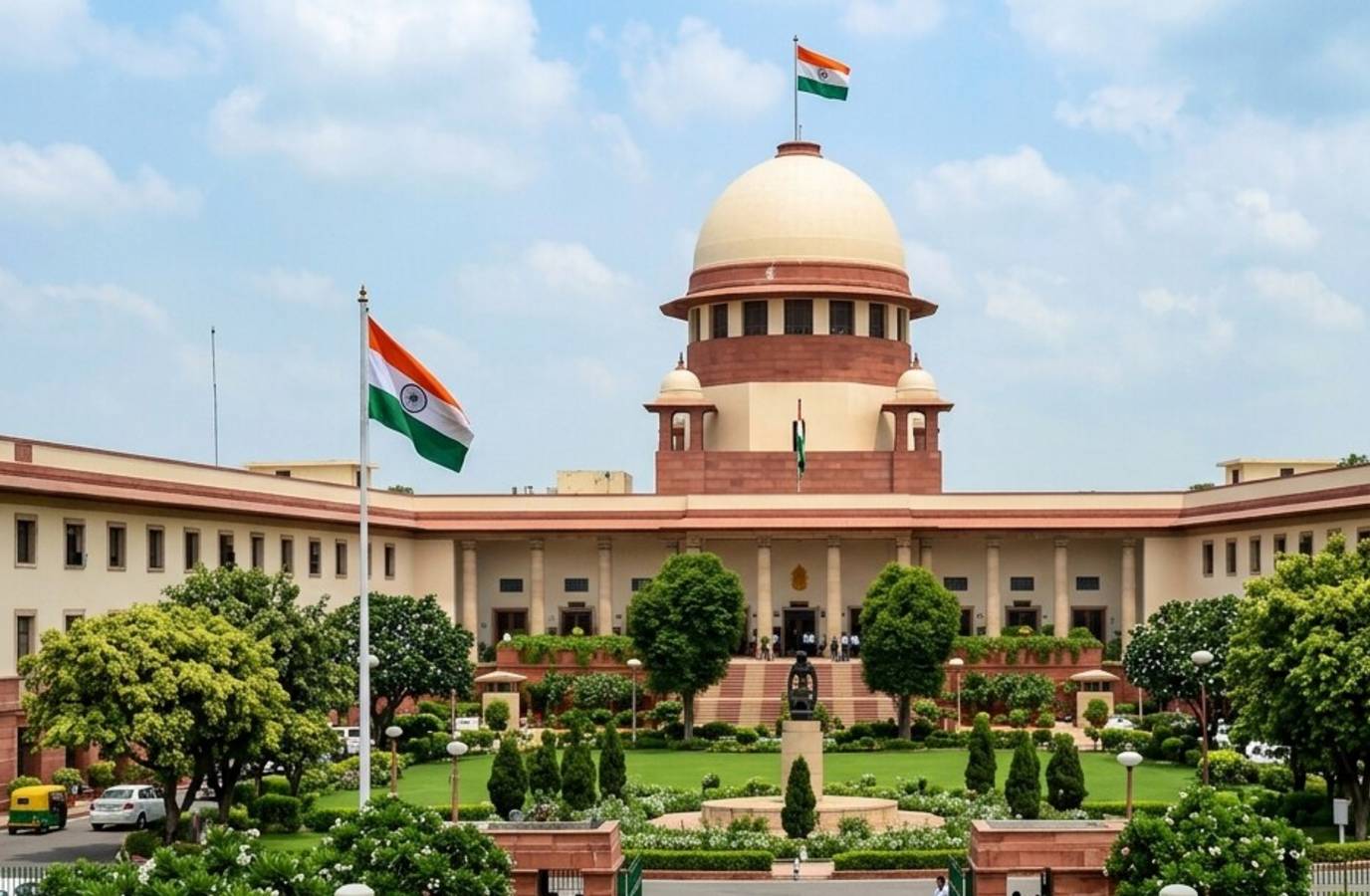
A woman subjected to involuntary sexual intercourse by her husband is “undoubtedly a victim”, the Supreme Court said on Wednesday, while grappling with the larger question whether such a husband can nevertheless be prosecuted for rape when the law – as it stands today, expressly excludes marital intercourse from the offence.A bench headed by CJI Surya Kant and comprising justices Joymalya Bagchi and V Mohana wondered whether a constitutional court could permit such a prosecution before deciding the validity of the statutory exception under Section 375 of IPC, now carried forward under BNS.“The question is also how a person can be punished for his conduct when the offence itself is defined in a particular manner,” observed the bench as it heard a clutch of petitions challenging the exception that protects a husband from prosecution for rape of his wife, along with an appeal arising from a Karnataka High Court ruling that allowed prosecution of a husband accused of treating his wife virtually as a “sex slave”.ALSO READ | ‘Everyone’s equal before us’: SC to defamation complainant against Rahul GandhiKarnataka case may be heard firstThe bench said it might hear the Karnataka case first to examine whether the existing provision could be read down to permit prosecution, before taking up the direct constitutional challenge to the exception.Senior advocate Indira Jaising, appearing for the wife in the Karnataka case, argued that the HC had not struck down the exception but had interpreted the existing law to permit prosecution in the circumstances of that case. The bench flagged the difficulty of interpreting an express statutory exception in a manner that could expose a person to criminal liability.ALSO READ | Judiciary must not fear scrutinyBatch listed after three weeksThe bench asked the nodal counsel to compile the pleadings and common compilations and listed the batch for final hearing after three weeks.