Indian Men's Boxing Slumps: 17-Year Olympic Drought Raises Questions on Training Methods
Indian boxing faces challenges as former coach Santiago Nieva returns, camps show reduced athlete performance, raising questions on training methods.
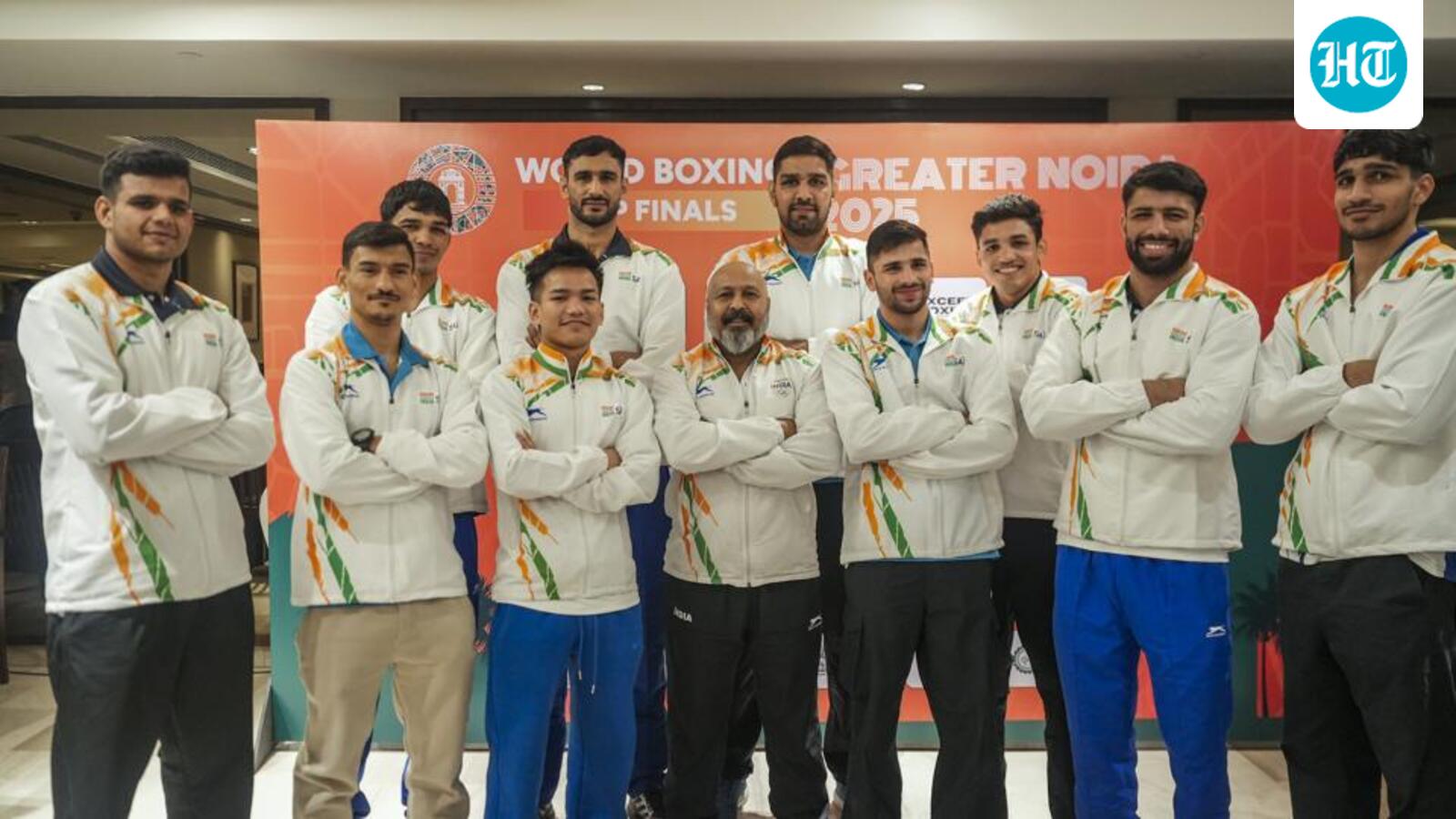
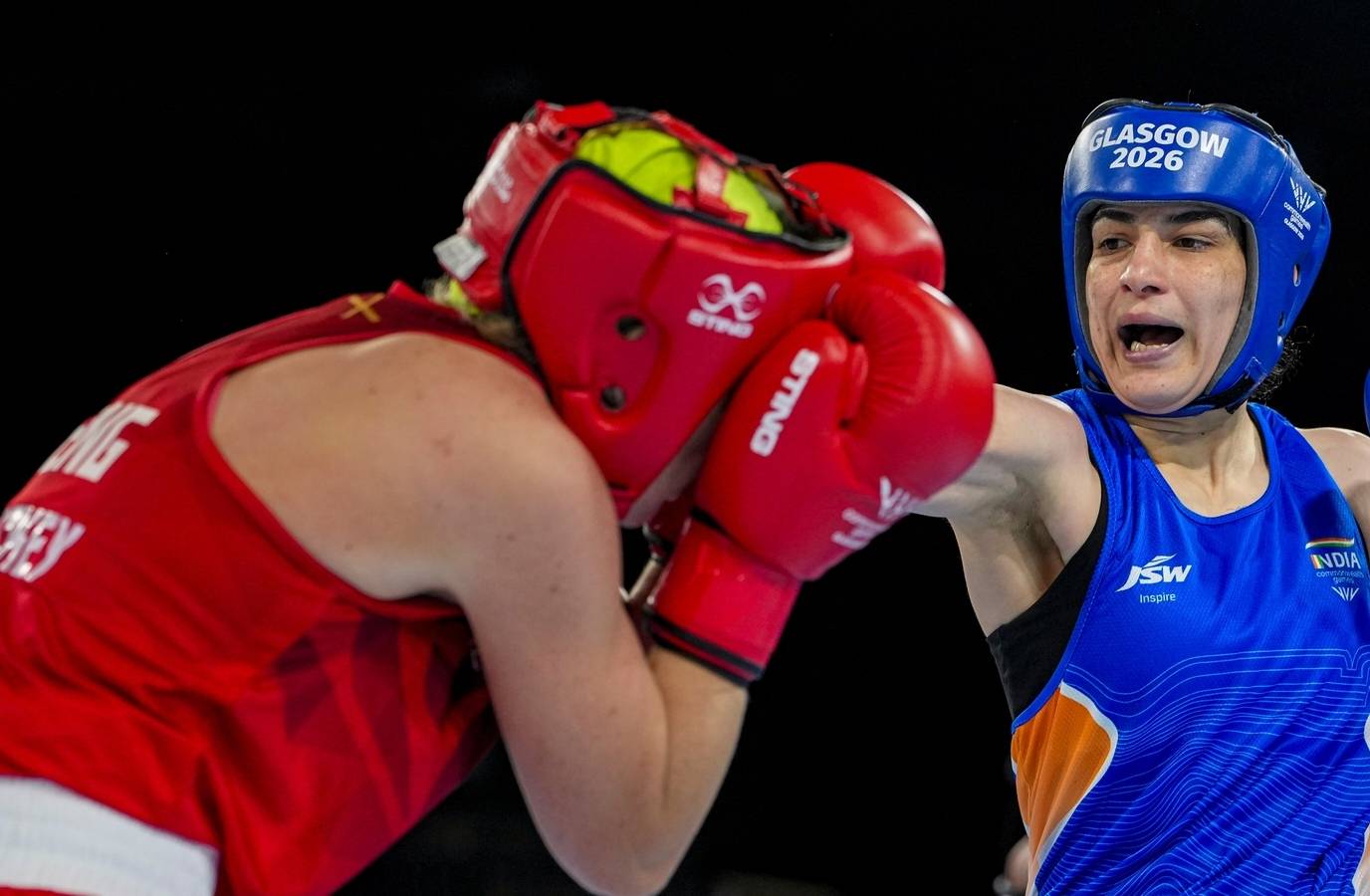
The Indian men's boxing team is facing a daunting 17-year drought in Olympic medals, a stark contrast to their female counterparts. The last Olympic gold medal in boxing was won by Vijender Singh in Beijing 2008. Since then, Indian men have failed to secure a single Olympic medal, while Amit Panghal's 2019 World Championship silver remains the country's only notable global achievement from a male boxer.
A recent study has shed light on one possible reason behind this slump: the country's training methods. According to a document obtained by the Hindustan Times, a study on elite boxers revealed that their physical capacity decreased after attending lengthy national camps. The study found that the boxers' VO2 max (aerobic capacity) reduced by as much as 8.7% after the camps, leaving them with less lung power than when they first started.
The Indian Boxing Federation (BFI) currently employs a centralized high-performance training structure, which involves keeping elite boxers in camps for extended periods. The BFI claims that this approach is effective and followed by most boxing nations. However, experts argue that this method is outdated and may be contributing to the decline of Indian men's boxing.
The BFI's policy involves keeping boxers in camps for anywhere between 22 to 30 days, which is significantly longer than the recommended duration. This prolonged exposure to intense training can lead to physical exhaustion and decreased performance. Moreover, the lack of individual attention and varied training methods may be hindering the boxers' progress.
Col. Arun Malik, the BFI's Executive Director, acknowledged that the federation is open to changing its policy if a more effective method is discovered. He emphasized that the BFI is committed to growing the sport and achieving success, and will explore alternative paths if necessary.
As the 2028 Olympics approach, the Indian men's boxing team faces a daunting task. With the country's training methods under scrutiny, it remains to be seen whether the BFI will adapt its approach to help the team achieve success.