Lionel Messi starting a World Cup match on the bench is not a normal football event anymore. It is history pausing for a second look.
Argentina's final Group J game against Jordan at Dallas Stadium had already been shaped by the larger context of the tournament: the defending champions were through, their knockout place was secure, and Lionel Scaloni had the luxury of rotation.
But Messi's name among the substitutes still carried its own weight. Scaloni made sweeping changes for the Jordan game, resting several first-choice players with the Round of 32 ahead.
Messi, who had carried Argentina through the first two group matches in spectacular fashion, was the biggest name protected. Argentina had beaten Algeria 3-0 and Austria 2-0 before this, with Messi at the heart of everything.
He came into the Jordan match not just as Argentina's leader, but as the tournament's central figure once again.
That is why the benching felt bigger than a routine selection call. For nearly two decades, Messi and World Cup football have been inseparable from Argentina's starting XI.
The last time he began a World Cup match on the bench was way back in 2006, when Argentina faced Germany in the quarter-final.
The 2006 memory Argentina never fully forgot
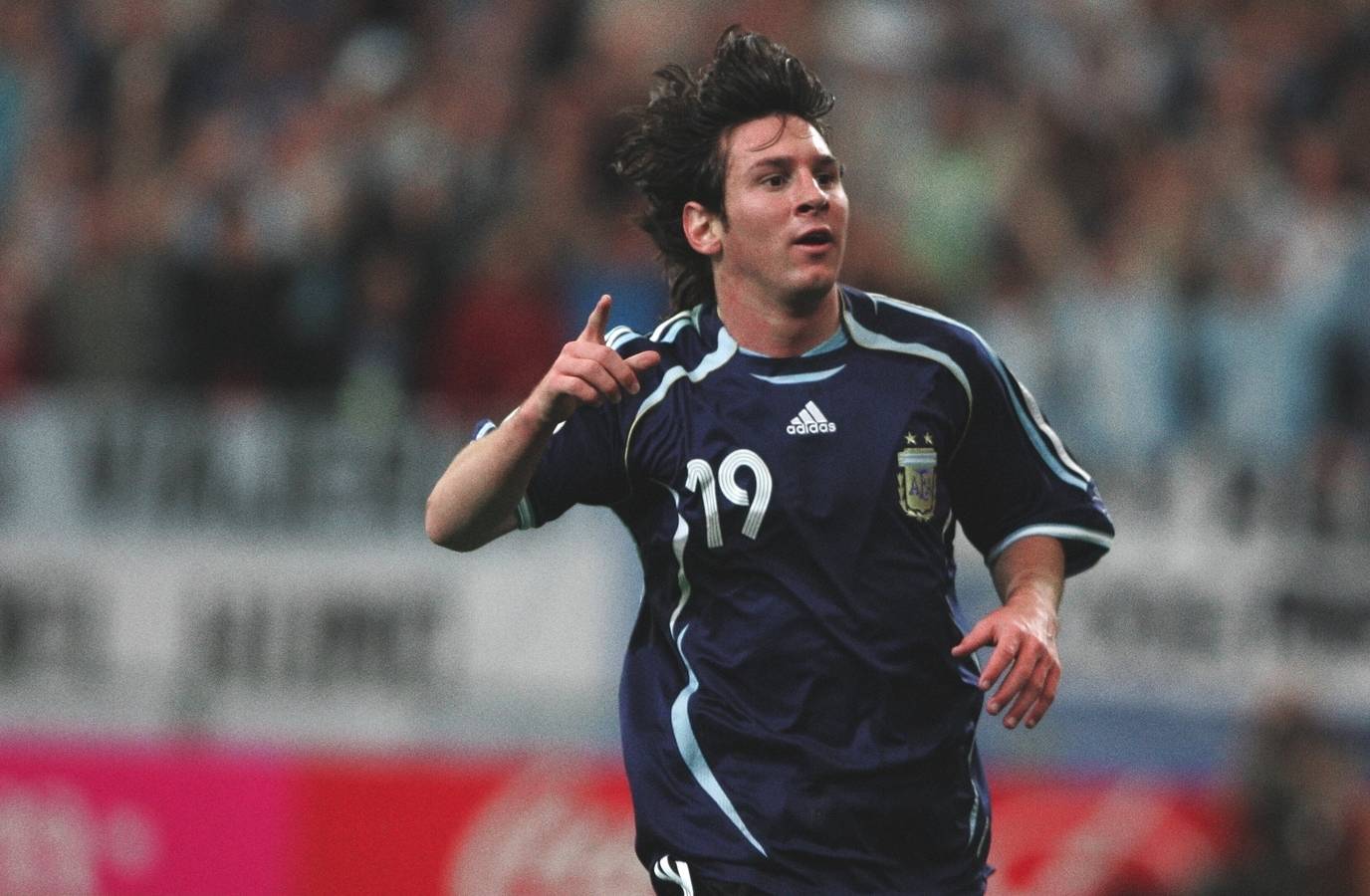
That match in Berlin remains one of the defining early chapters of Messi's World Cup story. He was only 19 then, still the prodigy waiting to fully become the phenomenon.
Argentina took the lead through Roberto Ayala and looked set for the semi-finals before Miroslav Klose equalised for Germany in the 80th minute.
The game went to extra time and then penalties. Messi stayed on the bench throughout. He was not used by Jose Pekerman, even as Argentina searched for a late spark against the hosts.
Germany eventually won 4-2 in the shootout, knocking Argentina out of the tournament.
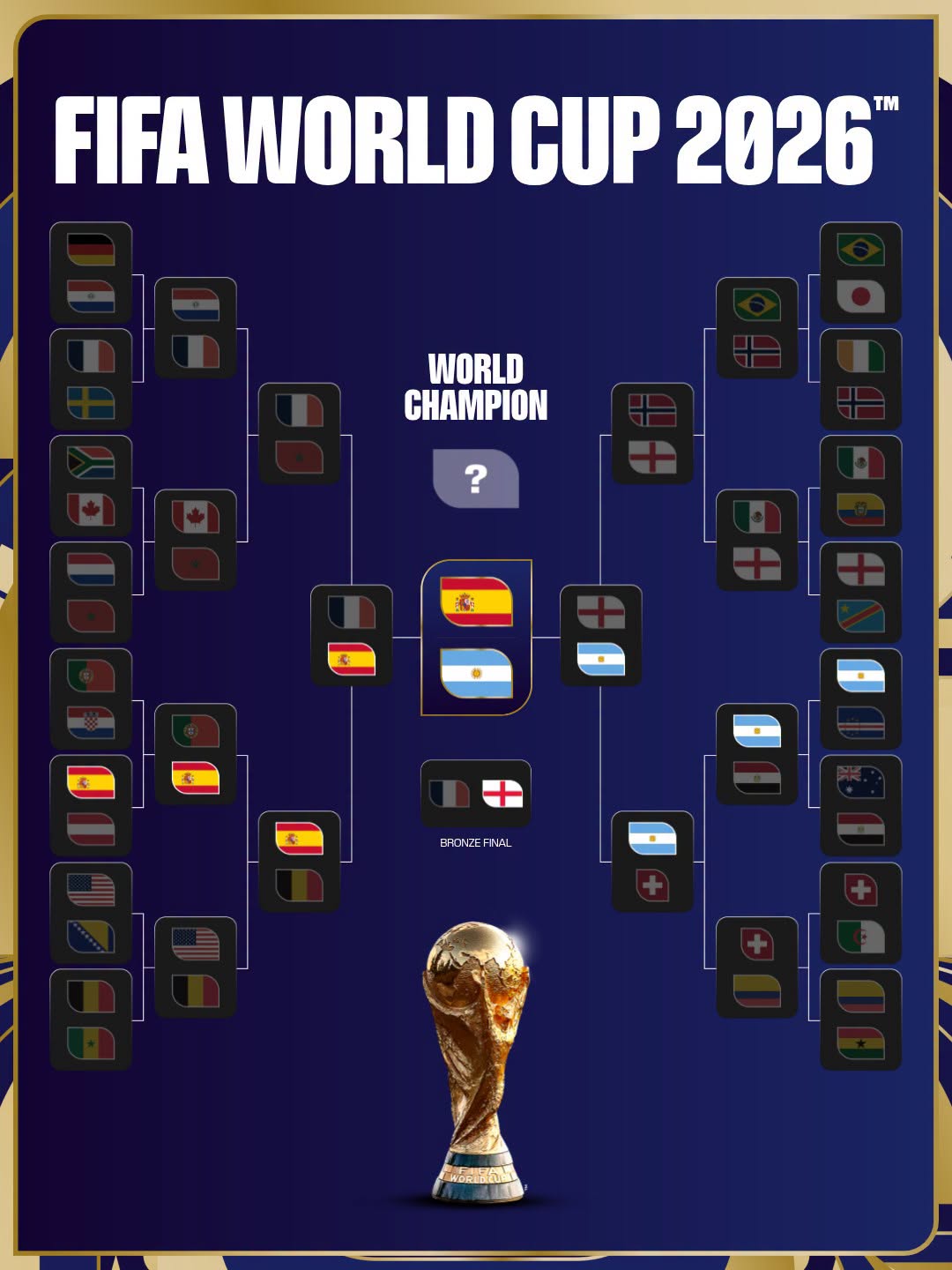
Also Read: No Cristiano Ronaldo vs Lionel Messi showdown: Why Portugal won't meet Argentina in FIFA World Cup before final
In hindsight, the unused Messi became one of the great "what ifs" of Argentina's modern World Cup history.
It was not yet his team in 2006, but the defeat grew into part of the legend: the night Argentina had a future all-time great available and never turned to him.
Twenty years later, the picture is completely different. Against Jordan, Messi was not benched because he was waiting for his era.
He was benched because he has defined one. The 2006 decision carried regret. The 2026 decision carries protection, planning and power.
Argentina can now afford to rest Messi because Messi has already done the damage.