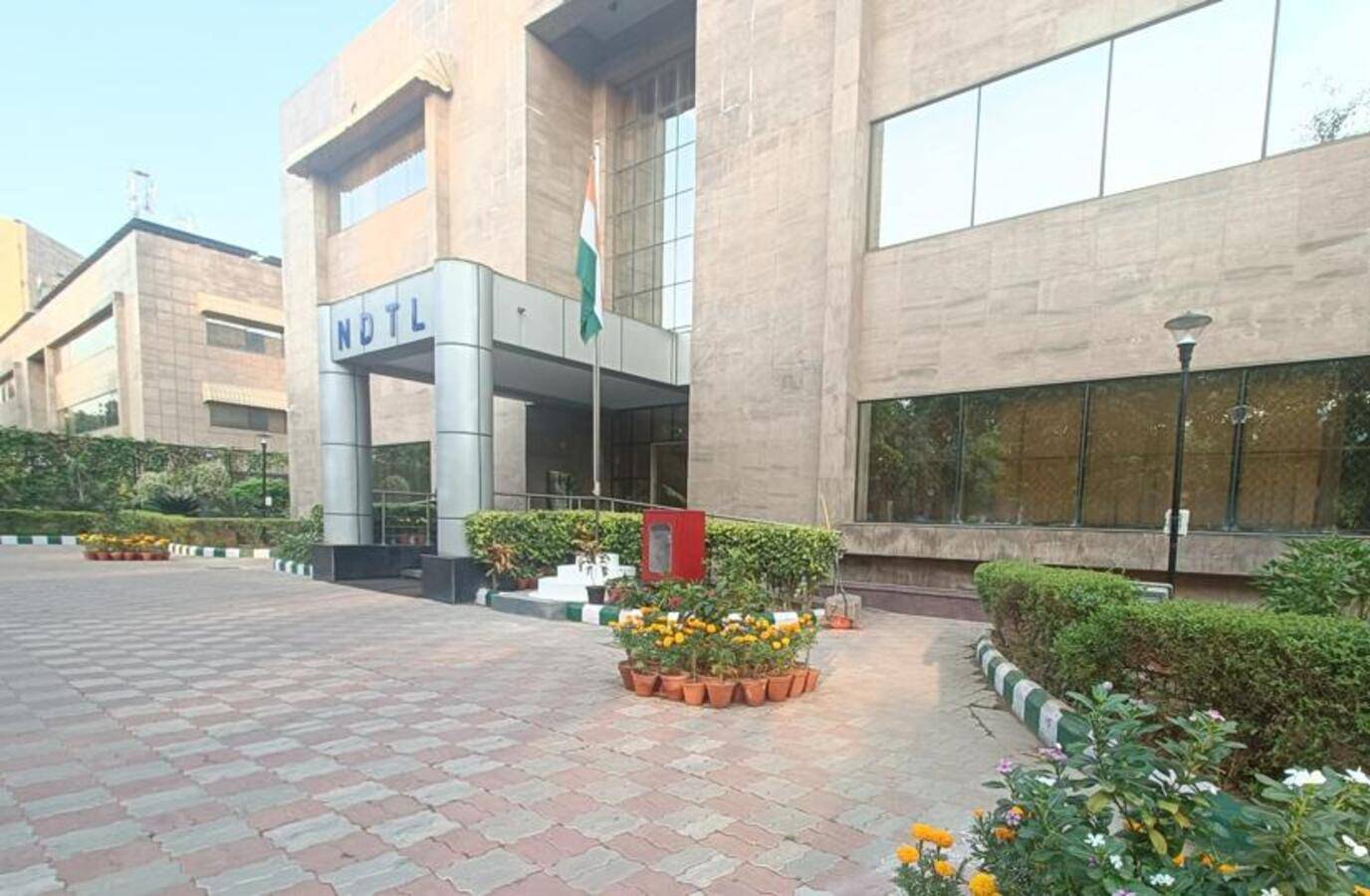
The doping case of quarter-miler Sneha Kolleri, who received a three-year ban for testing positive for stanozolol, has raised questions about the National Dope Testing Laboratory's (NDTL) capabilities.
The AIU conducted the test during the World Athletics Relays in Guangzhou last year, but NDTL failed to detect the prohibited substance in Sneha's sample collected in Chandigarh just 10 days before the AIU test.
When the AIU had the Paris lab re-test Sneha's Chandigarh sample, it revealed the presence of stanozolol. If NDTL had detected the substance in the April 30 sample, Sneha could not have made it to the Indian team for the World Athletics Relays, avoiding an international embarrassment.
As things stand, all her results on and since April 30, 2025, stand disqualified, as does the result of the Indian mixed relay team that she was part of in Guangzhou.
Officials say upgradation is a continuous process and NDTL has been working on it. Setting up an Athlete Passport Management Unit at NDTL last year was part of these plans.
The fight against doping will be crucial in a year featuring the Asian Games and Commonwealth Games, and NDTL will play a key role.