Less than a week into the FIFA World Cup in North America, an interesting pattern has emerged among some goalkeepers in action. They are older. The mean age of all 145 goalkeepers at the tournament is 29 years and 298 days. 77 of them - more than half - are older than that, and 25 of them are aged 35 and above.
Scotland's Craig Gordon comfortably leads the list of the oldest goalkeepers, aged 43 years and 162 days. Mexico's iconic Guillermo Ochoa is second behind him (40y 333d). Neither of them played in their respective countries' first round matches, though, so the oldest keeper to have played in this year's tournament is the third name on the list, and the most famous - Germany's Manuel Neuer against Curacao (40y 76d).
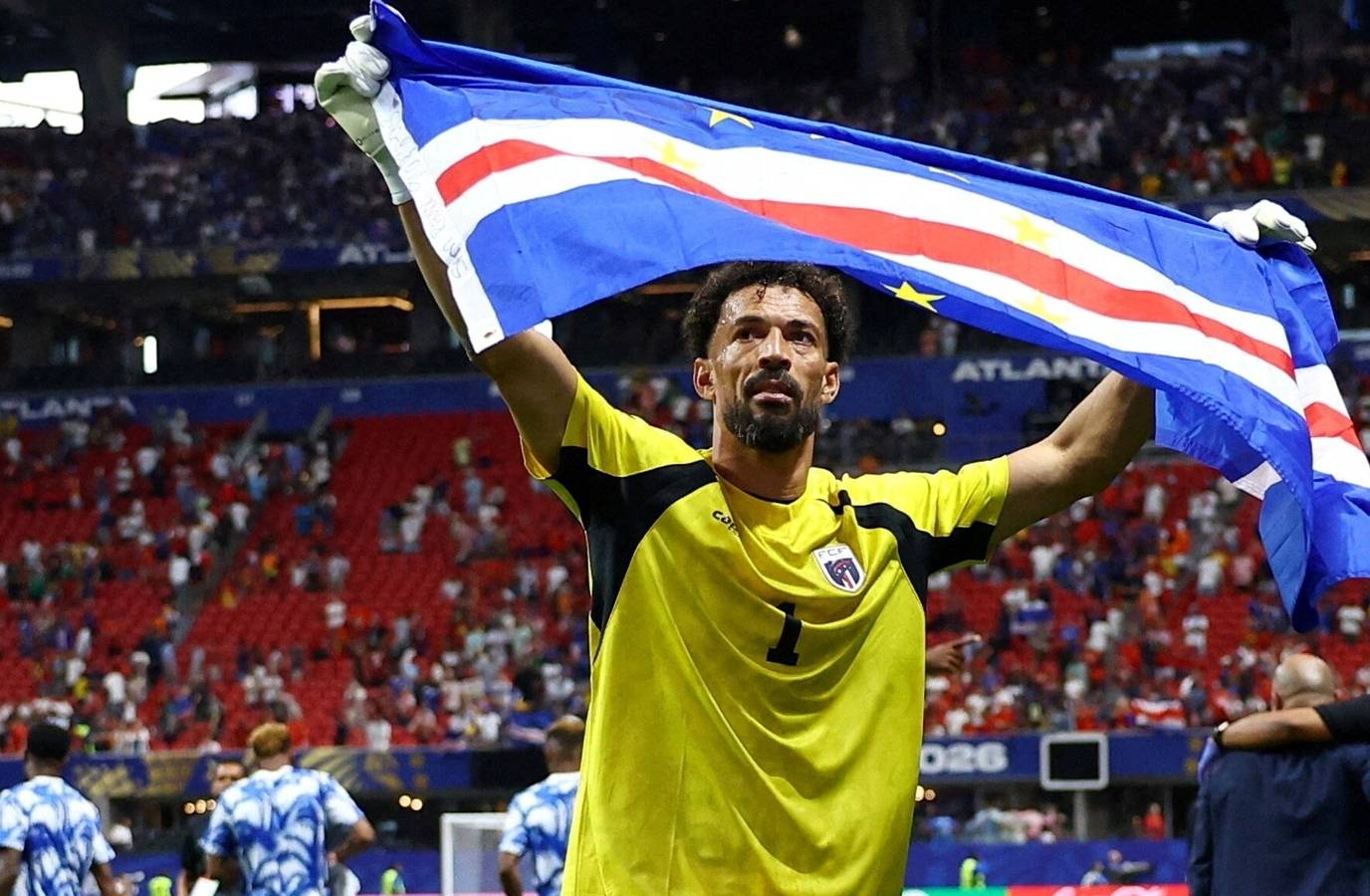
Following him is Cape Verde's breakout star Vozinha (40y 8d), who starred and kept a clean sheet against Spain. Also in action have been Uruguay's Fernando Muslera (39y 360d), Ecuador's Hernan Galindez (39y 73d) and Haiti's Johnny Placide (38y 133d).
Going by appearances, 39 of the 145 keepers rank in the top 10 for international caps within their respective national team squads. This means that more than a quarter of the selected keepers aren't just depth pieces or standard starters, but among the absolute most-experienced leaders in their entire team setups.
Their wealth of experience is their biggest asset. This becomes even more valuable in international football, which is a whole other beast from the club game. Where clubs train together for eight months in the year, international sides only assemble intermittently in brief two-week windows.
There is much less time to train patterns of passing and movement, and as such, the styles of play often revert to simpler models of defensive shapes and attacking rotations. Nowhere does this become more evident than in the profiles of their goalkeepers.
With a great share of the passing responsibility taken up by the outfield players in the opposition half, goalkeepers become spectators, passengers in possession.
Indeed, former Indian captain Bhaichung Bhutia predicted that the World Cup this summer will be “dominated by teams with a midfield that can control and dictate”, as the sweltering heat will deter high-pressing sides from continuously “chasing and running around the ball.”
What then becomes the most important trait for the selection of a goalkeeper? The answer boils down to communication.
With a greater focus on defensive shape and organisation out of possession, goalkeepers take on a far more prominent role. How loud they are in dictating the positioning of their backline, and how dominant they are in claiming and punching out crosses, often proves decisive in preventing an opposition chance at goal.
Earlier, the primary demand of goalkeepers was their ability to stop a goal-bound shot. But the modern game has greatly evolved over the past decade to focus on playing out from the back. Now there is a bigger spotlight on their ability in possession, with the ball at their feet.
At the forefront of this evolution was none other than Neuer himself, widely considered the greatest goalkeeper of all time, who revolutionised the position and took the phrase “sweeper-keeper” to a different level.
Ederson and Alisson brought the revolution to England, with their prominent displays in the Premier League with Liverpool and Manchester City and Liverpool, respectively.
The keepers would step out of their penalty area and position themselves alongside (and sometimes even higher than) their defenders. They offered themselves as active passing options, played line-breaking vertical balls into the midfield alongside the regular safe sideways passes to their centre- and full-backs.
Where earlier keepers would regularly hoof the ball up the field towards their strikers, the Brazilian goalkeeping duo finessed the “Route One” tactic to ping accurate flat passes into the half-channels for their strikers to run on to and score with elegant ease.
On the world’s biggest stage, with so many clashes of Davids against Goliaths, it’s the basics that prove equally vital difference-makers. Unfashionable is neither ineffective nor unmemorable. Just ask Vozinha.