India's push for artificial intelligence (AI) data centres is facing a paradoxical challenge - can the country's natural resources keep up with the demand? The answer lies in the country's ability to balance its enthusiasm for AI with the need to protect its environment and resources.
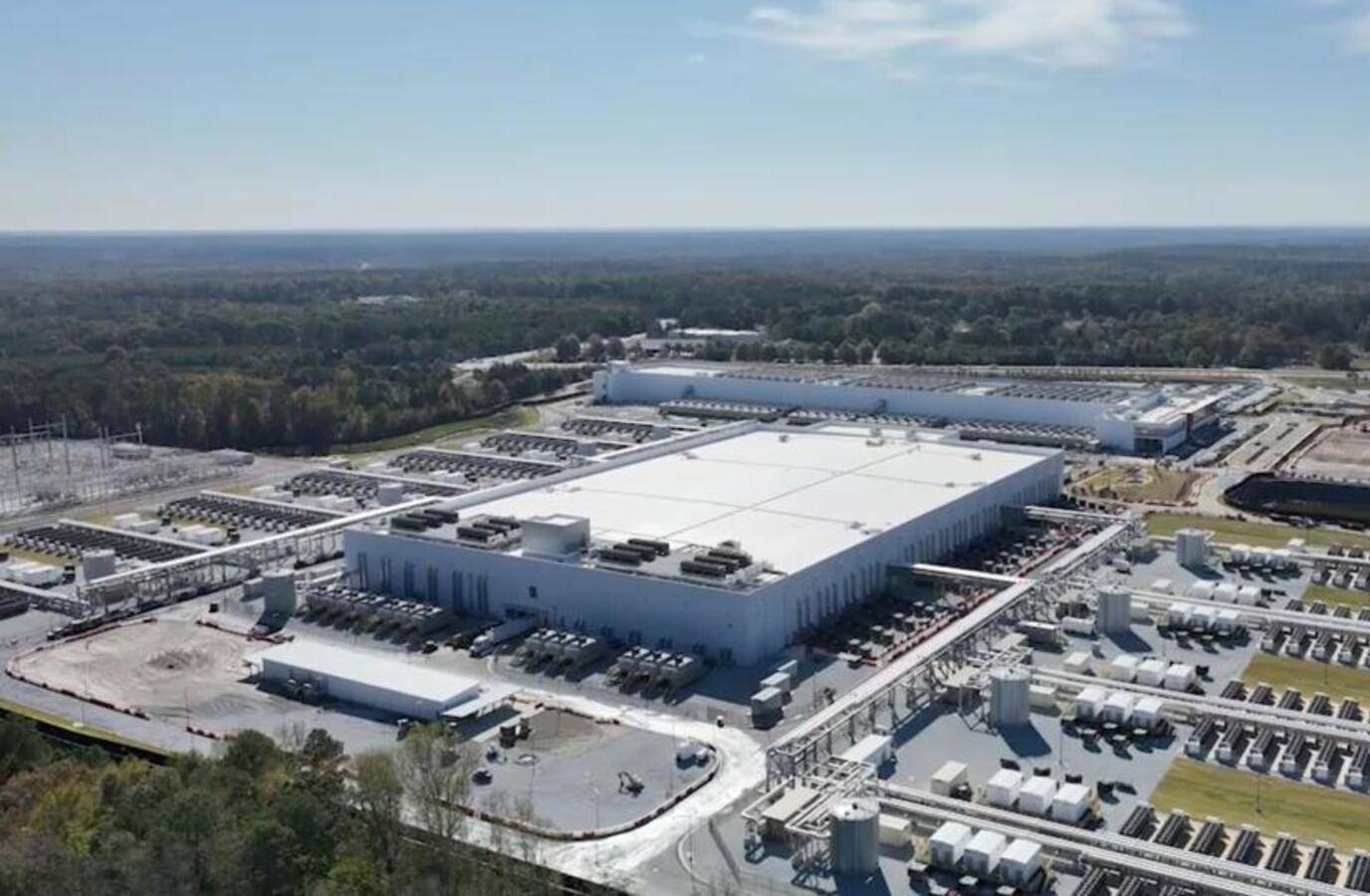
A recent trend of pushback against AI data centres in regions such as San Francisco, Vancouver, Tucson, Santiago, Dublin, London, Johor, Batam, and Visakhapatnam highlights the growing concern over the impact of these centres on the environment, including staggering local energy and water demands.
Fengqi You, a professor at Cornell University, notes that the water and power burdens of AI data centres are local, not national, and that the solution lies in making water a binding design constraint.
Global electricity consumption by data centres is poised to cross 1500 TWh by 2035, with India's electricity demands expected to touch 2703 TWh by 2031-32. Data centres are projected to consume 4% of India's electricity, with each server rack equivalent to the power demand of 65 households.
Ashish Banerjee, Senior Principal Analyst at Gartner, stresses the need for careful consideration of location and cost when building AI data centres in India.
India's data-centre capacity is expected to reach 6.5 GW by 2030, with water use projected to more than double by 2030. The country's water security is a primary issue, with data centres in India scaling up in areas already experiencing severe water stress.
The government has issued guidelines for regulating groundwater extraction, but experts argue that more needs to be done to address the concerns over water and energy usage.
India has the option of banning open-loop potable-water cooling in high-stress zones and mandating treated wastewater, seawater, or closed-loop liquid architectures instead.
Experts warn that India should avoid a build-first, regulate-later model and instead adopt a science-based green-light and red-light framework for approving data centre projects.