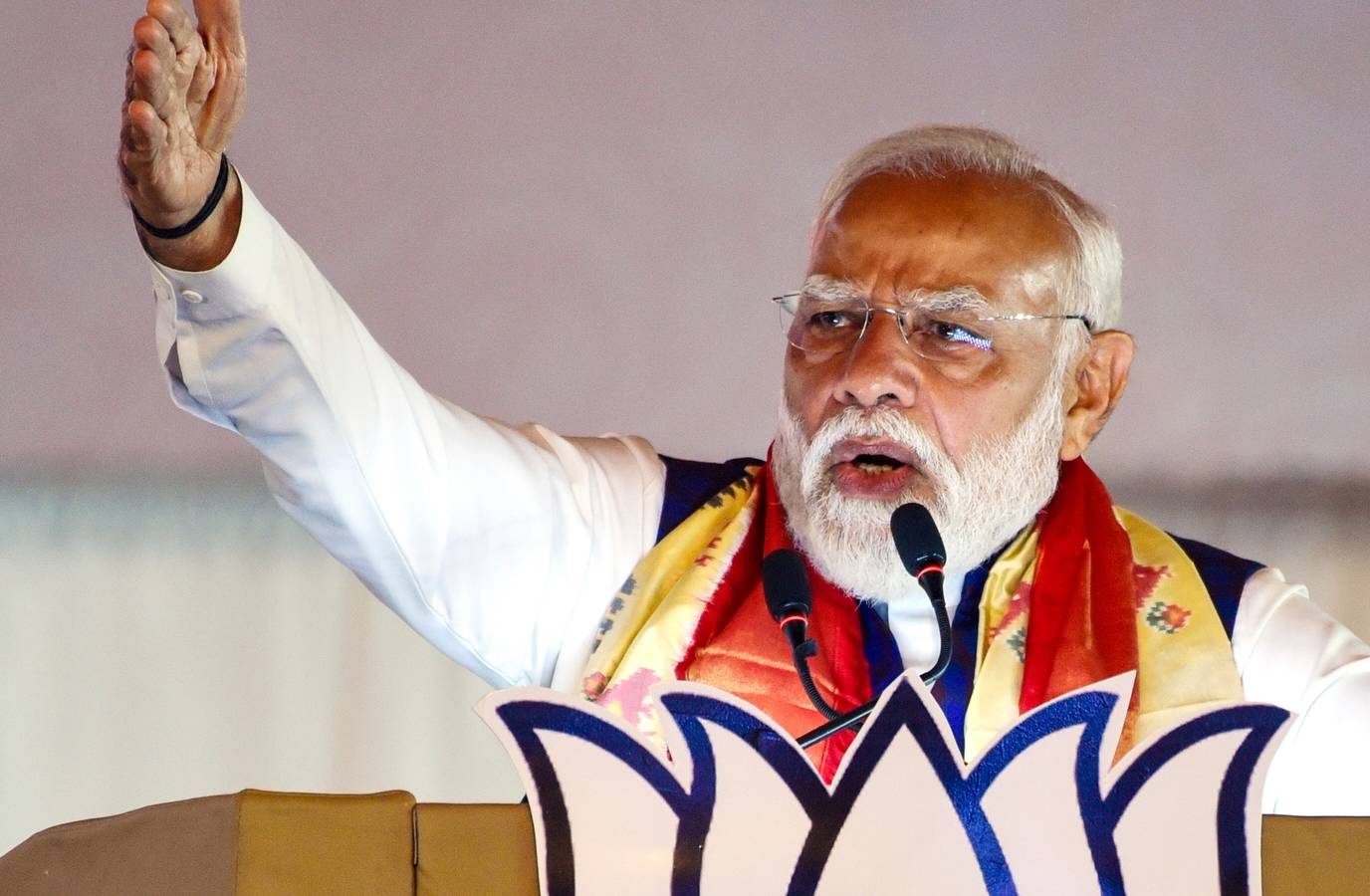
When Prime Minister Modi called for austerity, commentators focused on the crisis management directive, but the implied message was to build domestic resilience by opening equity capital to mid-market businesses.
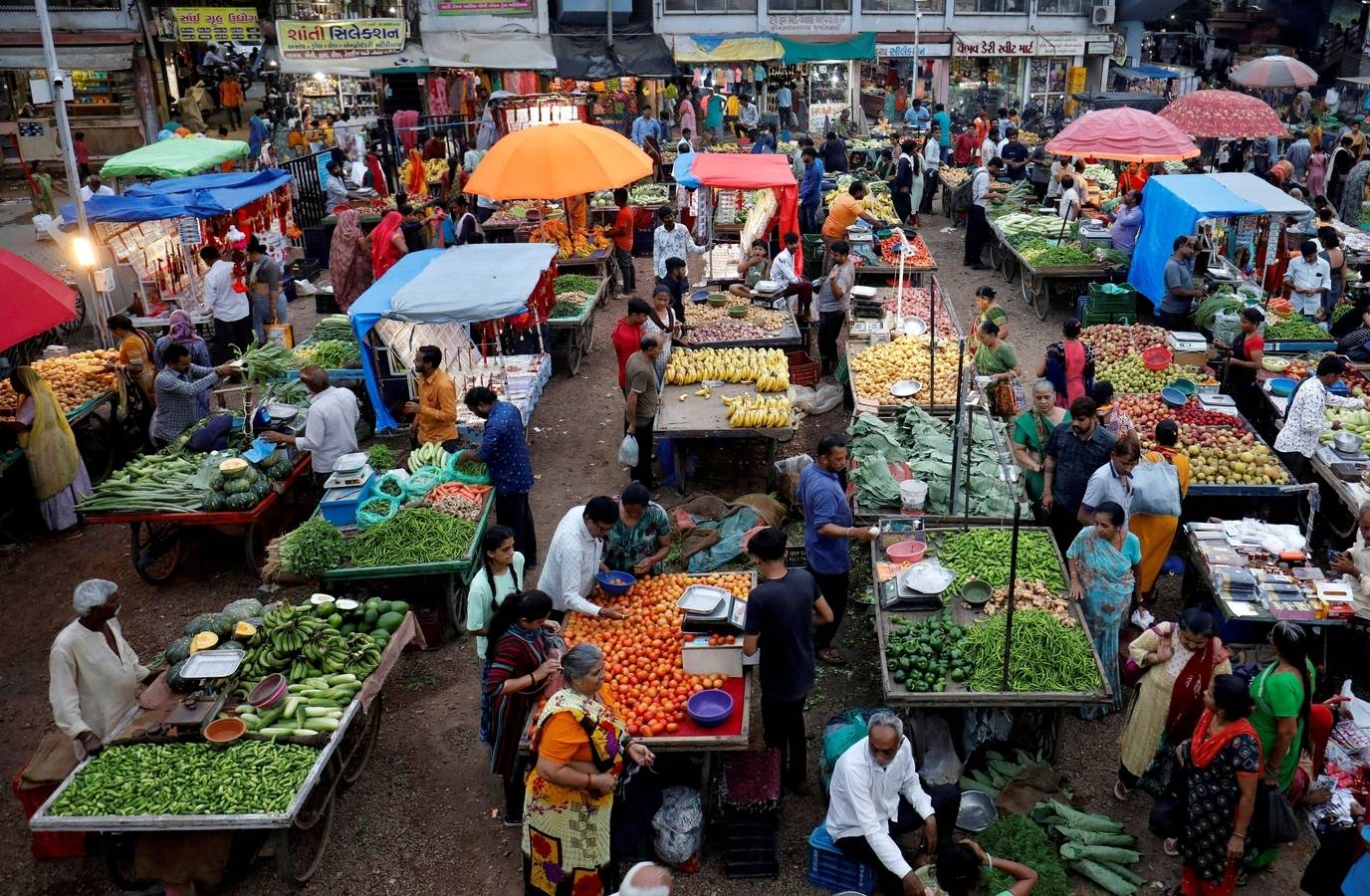
India's mid-market companies, with revenues between ₹50 to ₹300 crore, are the quiet load-bearing layer of the economy, employing the most people and generating the most durable economic activity.
However, these businesses are constrained by a lack of understanding of equity capital, the process for accessing it, and the conditions that make a business ready to receive it.
Equity capital does more than finance; it transforms businesses by improving governance, financial reporting, and management depth.
The government has built a policy architecture to support mid-market businesses, but a bridge remains to be strengthened between this architecture and the businesses themselves.
This bridge has three spans: awareness, velocity of domestic capital, and speed and efficiency of the working capital cycle.
The Prime Minister's appeal for economic self-reliance was not a counsel of retreat, but a call to recognize India's deepest strengths are internal and that nations that know how to mobilize those strengths are the ones that emerge stronger.