Unpacking the Turmoil: Freedom at Midnight Season 2 Review - A Sensitive Portrayal of India's Tryst with Destiny
Freedom at Midnight Season 2 review: Nikkhil Advani's series sensitively brings out India's most painful chapter from history books. | Web Series
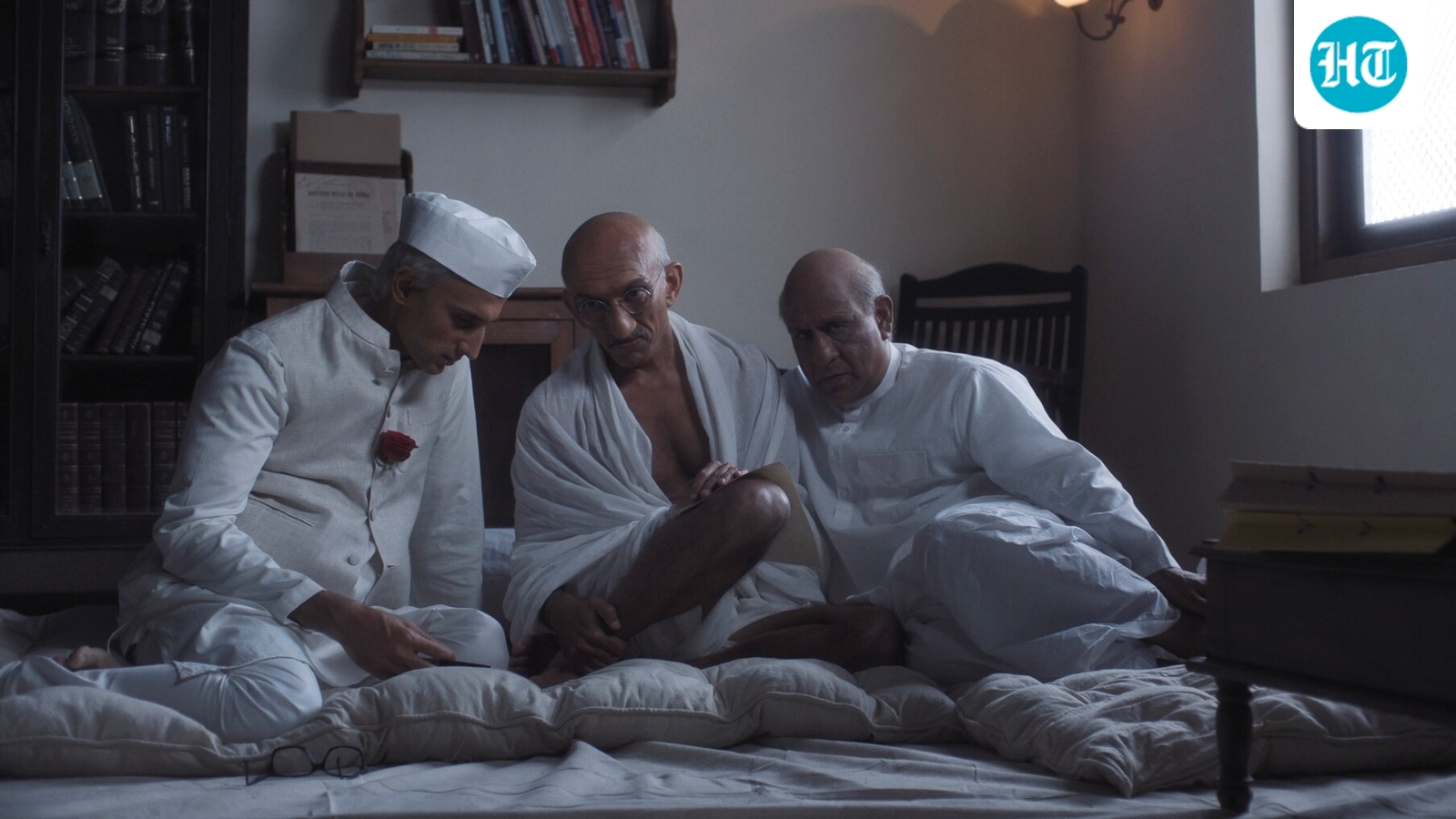
The highly anticipated second season of Nikkhil Advani's Freedom at Midnight tackles the tumultuous Partition of India with masterful storytelling. This gripping series delves into the complexities of the subcontinent's history, navigating the nuances of patriotism and the blurred lines between heroes and villains.
The show's success lies in its ability to present the historical events as a human drama, rather than a grand epic. By focusing on the personal struggles and motivations of its characters, Freedom at Midnight creates a emotional connection with the viewer. We see the intricate relationships between Nehru, Gandhi, and Patel, as they navigate the treacherous waters of the Partition, the Kashmir War, and the communal divide.
While the show excels in its portrayal of the Indian establishment, it falters in its depiction of the opposing forces. Jinnah, Liaquat Ali Khan, and Maharaja Hari Singh are reduced to one-dimensional caricatures, lacking the depth and complexity that the show brings to its Indian characters. This simplification detracts from the overall richness of the narrative, making it feel unbalanced.
Despite this flaw, Freedom at Midnight remains an engaging and thought-provoking series. By tackling a sensitive topic with respect and tenderness, the show succeeds in humanizing the historical figures of the subcontinent. It is a testament to the power of storytelling to convey the complexities of history and the enduring impact of the Partition on India's tryst with destiny.