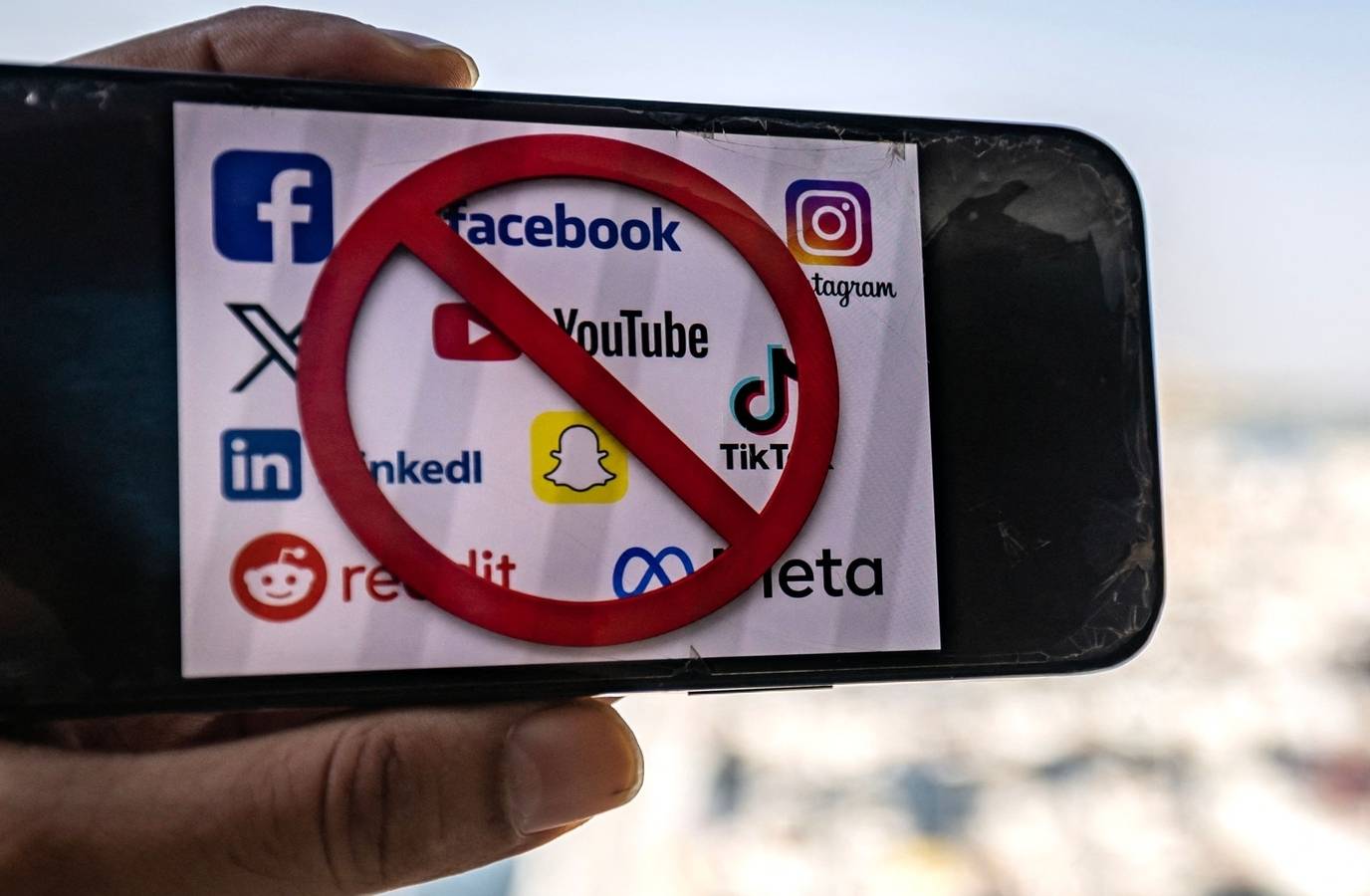
UK Prime Minister Keir Starmer announced a ban on social media for children under 16, citing Australia's experience as an influence. The UAE also followed suit with a ban for children under 15. Other countries have introduced similar restrictions, with Australia being the first to enforce a nationwide restriction. Social media companies face fines for non-compliance, and enforcement targets technology companies, not children.
Australia's Online Safety Amendment (Social Media Minimum Age) Act 2024 came into effect in December 2025, requiring social media companies to take reasonable steps to block users under 16 from holding accounts. The law has resulted in the shutdown of almost 5 million accounts identified as belonging to children. Indonesia enforced a similar age restriction in March 2026, while Brazil enacted a law requiring children under 16 to link social media accounts to a legal guardian.
Despite the restrictions, teenagers have found ways to circumvent the ban, using methods such as VPNs and facial checks. Australia's eSafety Commissioner has recommended a layered system to detect underage users, including age inference, facial age estimation, and identity verification. Compliance is not a one-time check, as social media companies are expected to monitor behavioural signals continuously.
A survey by Australia's eSafety found that almost half of surveyed parents reported their child had an account on at least one social media platform before the restrictions, which decreased to 31.3% after the ban came into effect. However, a subsequent survey found that more than 60% of children who had social media accounts before the ban still had access to at least one account.