
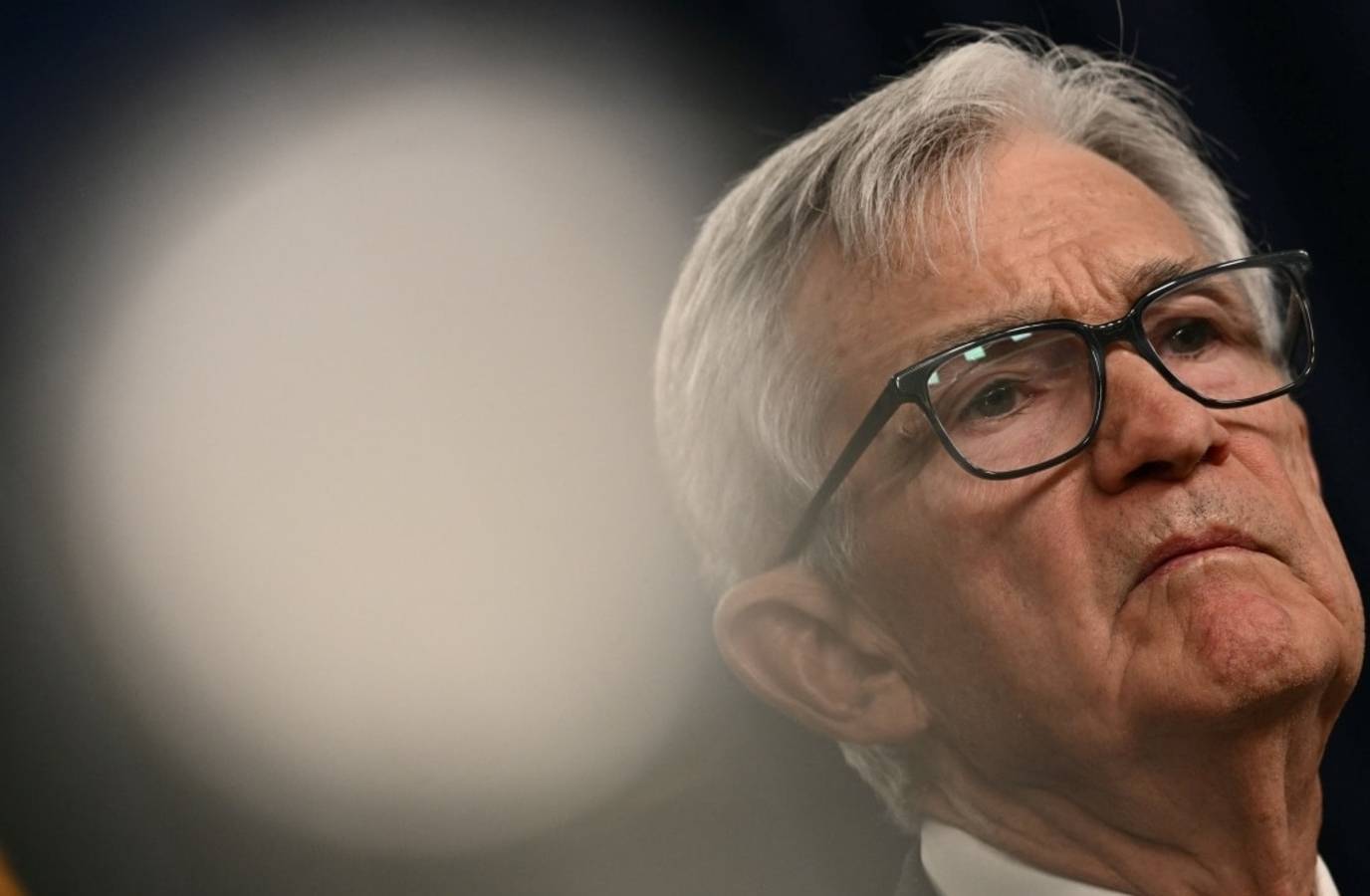
The dispute between President Trump and Jerome Powell centers around a long-standing legal question: who gets to decide what happens when the Fed chair's term expires without a confirmed successor?
Treasury Secretary Scott Bessent suggested that several people, including Vice Chair Philip Jefferson and Governor Christopher Waller, could serve as interim leaders, but Powell has staked out his position, announcing he would continue leading the central bank as 'chair pro tempore' if no successor is confirmed on time.
Powell's confidence rests on legal arguments the Fed has honed over many decades, despite the law being open to interpretation. The ambiguity has produced dueling legal opinions between the executive branch and the Fed since 1978, with no court ever resolving the dispute.
The Senate is set to hold confirmation hearings for Kevin Warsh, Trump's nominee to succeed Powell, but faces a potential delay due to a criminal probe about the Fed's building renovations.
Historically, the incumbent chair has continued to serve when their term expired before the Senate confirmed a successor, with no president ever contesting the arrangement. However, a significant legal dispute occurred in 1978, when the Justice Department and the Fed reached opposite conclusions about who had the authority to fill the gap.
A 28-year-old White House lawyer, John Roberts, now the chief justice of the Supreme Court, wrote a memo agreeing in part with the Carter administration position but imposing a critical limit: the president could designate an acting chair only for a short period, in an emergency, and only if a nominee was pending before the Senate or about to be submitted.
The legal landscape has shifted further against the executive branch since then, with Congress passing the Federal Vacancies Reform Act in 1998 and federal courts ruling that the president likely lacks inherent constitutional authority to designate acting principal officers without Senate confirmation.