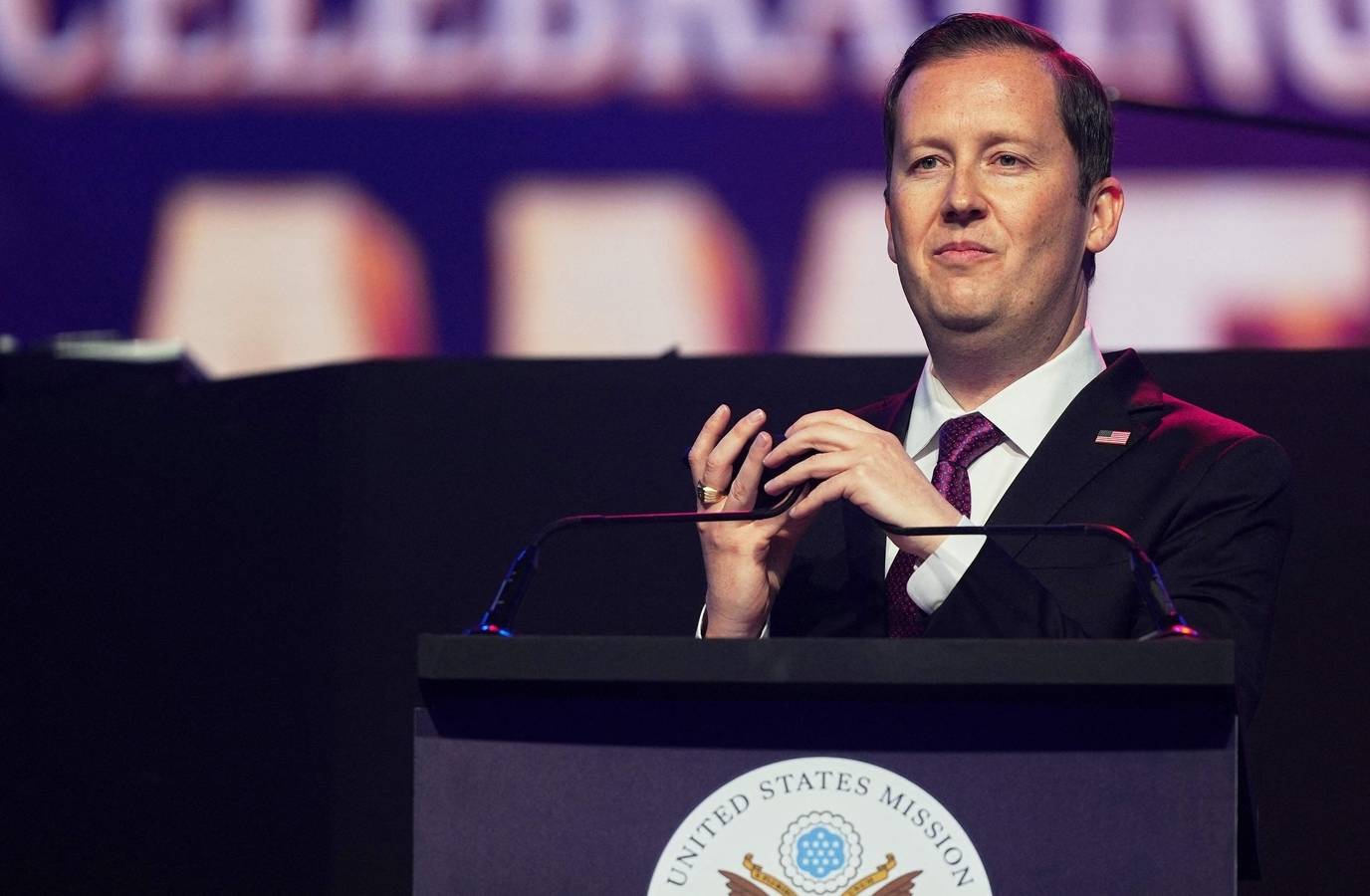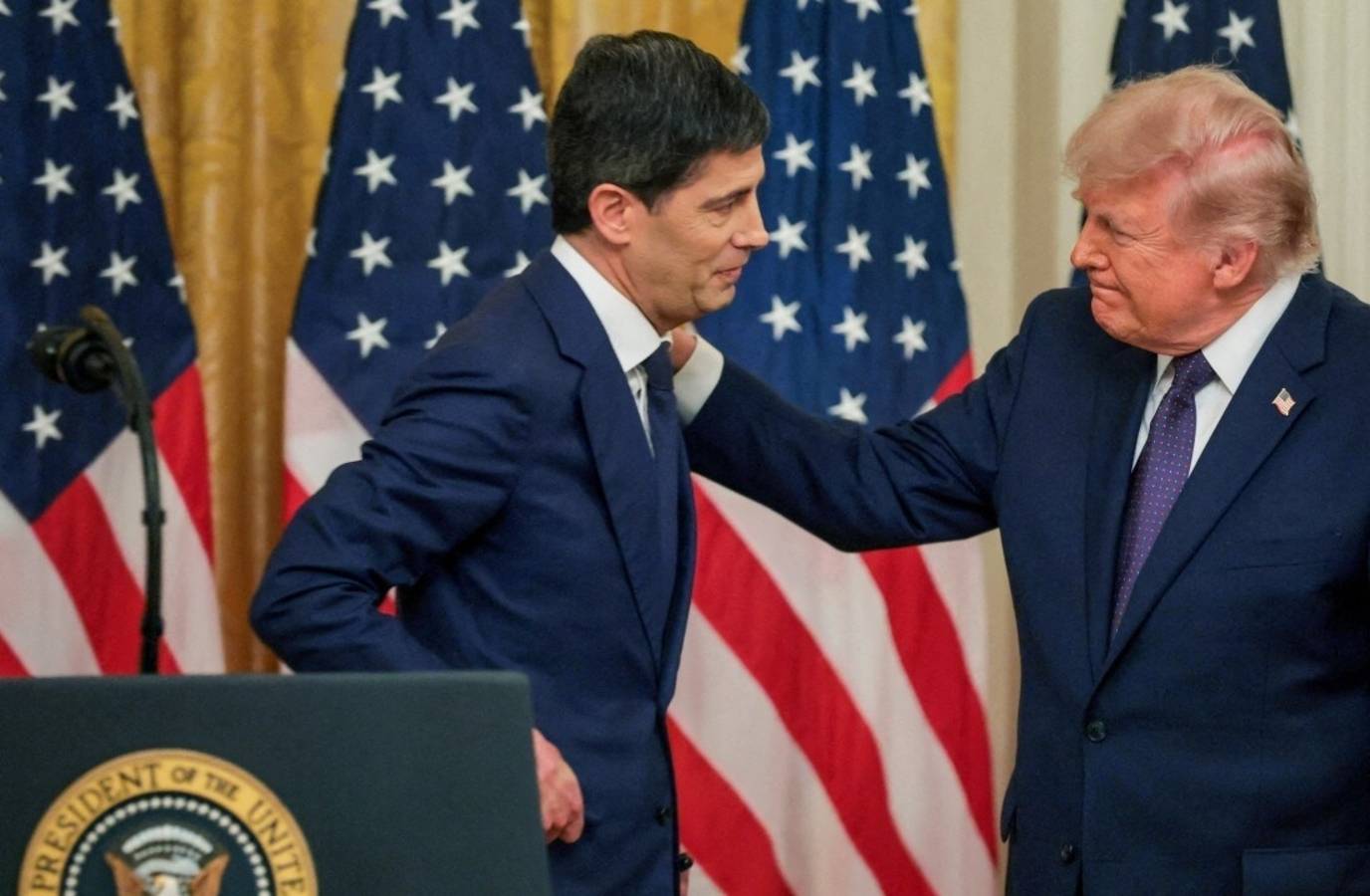
Kevin Warsh walks into his first meeting as Federal Reserve chairman this week in an awkward spot. He argued last year for interest-rate cuts and was chosen to deliver them. But the conversation at the Fed has shifted the other way—toward raising rates, not cutting them.
When President Trump picked Warsh in January, the Fed looked headed for lower rates—and the cheaper mortgages and loans that come with them. Investors expected several cuts this year, on top of three in late 2025, thanks in part to a wobbly job market that left officials worried that high rates were doing more harm than good.
Four months later, almost none of that holds. Hiring has picked back up, and inflation is climbing instead of cooling. It’s now running above 3%.
The forces behind the turn weren’t the ones the Fed had braced for. The AI build-out, once expected to tame inflation by lifting productivity, instead looks like a source of it—straining supplies of chips, electricity and the materials to build data centers in a way that smacks of a boom rather than a slump.
Soaring tech stocks are adding fuel, leaving investors feeling flush and spending freely. And the war Trump launched in Iran sent gasoline and commodity prices higher. A deal to reopen the Strait of Hormuz will ease pressures, but slowly, and the economy that emerges won’t be the one that existed before the war.
The case for cuts has gone with it. On Wednesday, the Fed is widely expected to hold its benchmark rate steady, between 3.5% and 3.75%. The turn will instead show up in two things the Fed’s rate-setting committee is expected to produce.
The first is the wording of its statement. For months, it has carried a quiet signal—an “easing bias”—that the next move on rates was more likely to be down than up. That language is expected to come out, an acknowledgment that a cut is now no likelier than a hike.
The second is the quarterly grid of rate projections that officials submit, the “dot plot,” which in March showed a dozen of them projecting at least one cut this year. This time, a majority are expected to show an extended hold through year-end, and the question is how many will pencil in an increase.
Warsh has long criticized the Fed’s reliance on “forward guidance,” including tools like the dot plot. He could deflate the exercise by declining to submit a projection of his own and could strip such hints from the official statement.
Either way, he could cast the changes not as a turn toward higher rates, but as housekeeping for a Fed that he wants to talk less.
The distinction matters less to investors, who will read the substance either way, than to a president who wants lower rates.