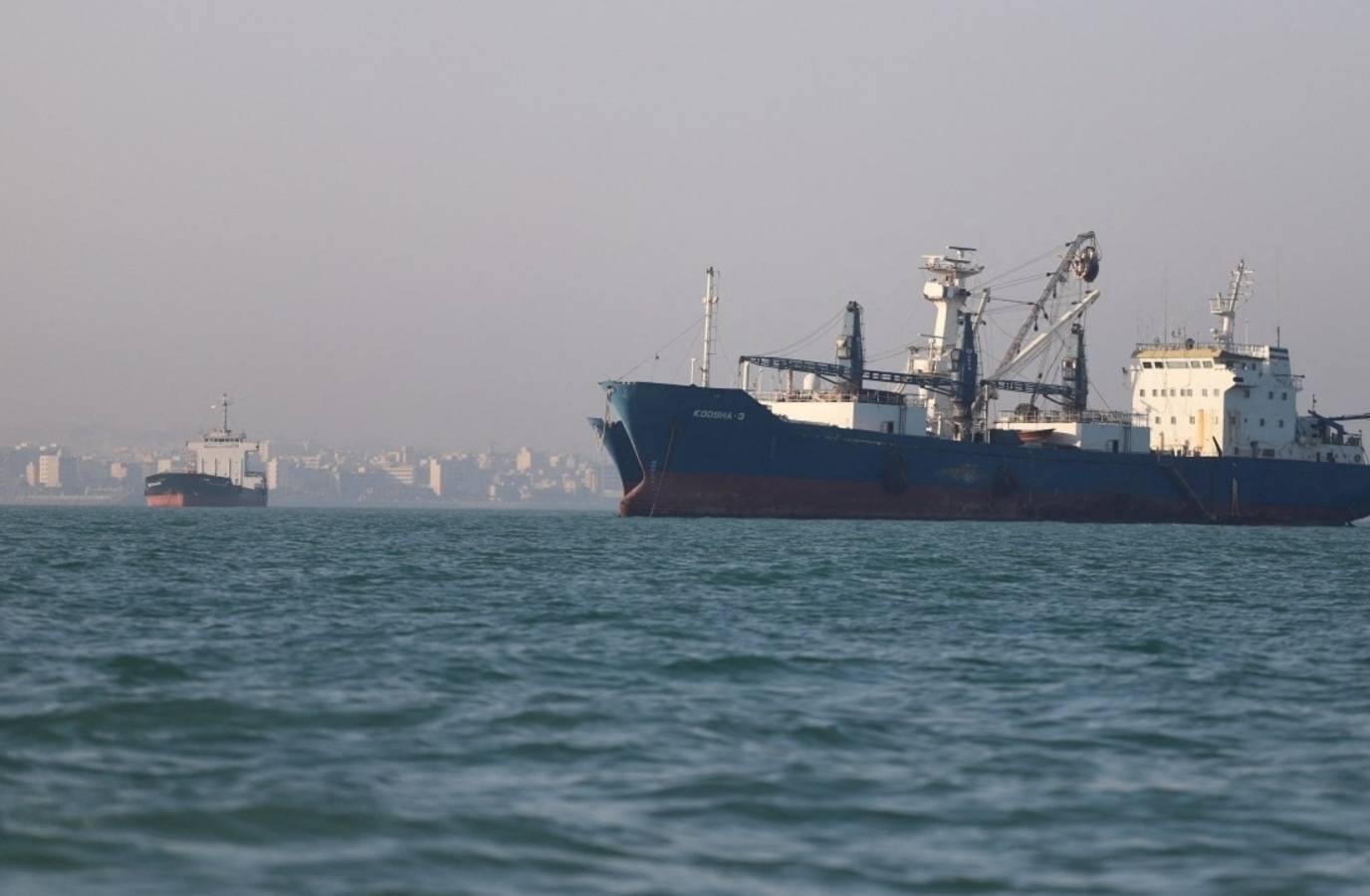
The planned reopening of the Strait of Hormuz has brought relief to the global economy, but the specter of prolonged energy shortages has not entirely dissipated.
While growth proved resilient during the months-long closure of the strait, the Hormuz squeeze disrupted energy supplies in ways that could take months to unwind.
Mines will need to be cleared before ships can navigate freely through the channel, and oil fields and refineries that throttled production or sustained damage during the war will need to be brought back online.
Uncertainty will weigh on shipping while Washington and Tehran thrash out details on Iran's nuclear program and other unresolved issues.
Reopening is undeniably a positive thing, but it doesn't mean that the global economy avoids the costs of what's already happened, said Simon MacAdam, deputy chief global economist at Capital Economics.
The Hormuz crisis highlights growing frictions in the global economy that risk pinching trade and growth.
Countries that once cooperated to break down barriers to trade are now more focused on economic security and exploiting their economic leverage for political ends.
Central banks including the Federal Reserve and the Bank of England had been expected to cut interest rates this year, but those plans have gone up in smoke as energy costs lurched higher.
The ECB already raised rates this month, and the Fed under new Chairman Kevin Warsh held short-term interest rates steady Wednesday, but he and his Fed colleagues signaled that rate increases could come down the pike soon.