
A proposal linked to Alphabet, Google's parent firm, has triggered backlash after plans emerged to release tens of millions of bacteria-infected mosquitoes across California and Florida.
The project, led by life sciences company Verily, is seeking federal approval to release up to 32 million modified mosquitoes annually in the two states starting next year.
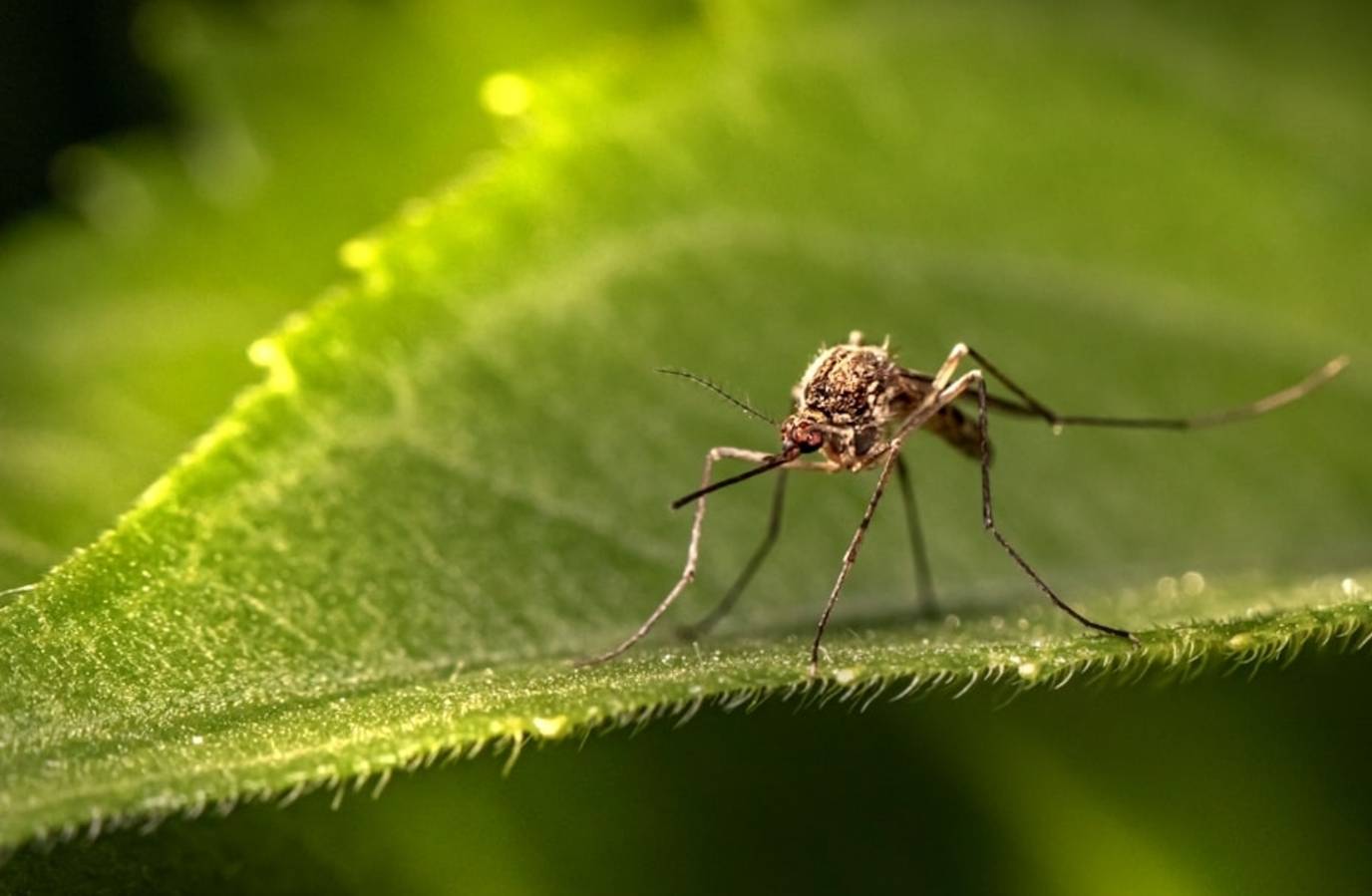
According to reports, the initiative targets Aedes aegypti, a mosquito species known for spreading diseases such as dengue fever, Zika virus, chikungunya and yellow fever.
The plan uses male mosquitoes infected with Wolbachia, a naturally occurring bacterium. Researchers say these male mosquitoes do not bite humans.
When they mate with wild females, the eggs produced fail to develop, gradually reducing mosquito populations over time.
Verily's work is part of its broader 'Debug Project,' which focuses on mosquito-control technologies aimed at reducing the spread of insect-borne diseases.