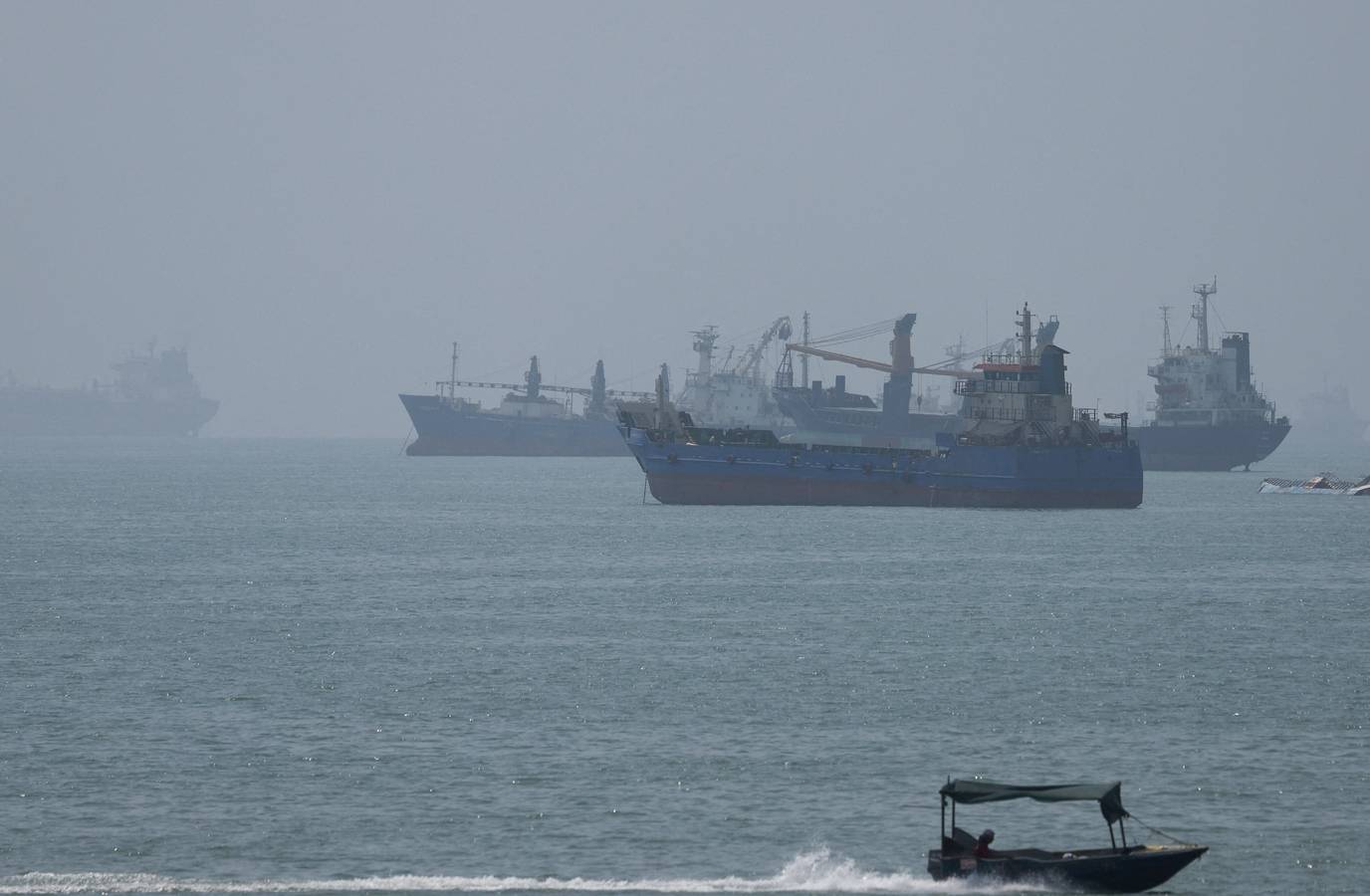
One blockade was bad enough, but Iran's closure of the Strait of Hormuz has pushed up prices for oil, natural gas, and fertiliser, among other commodities. Commodity prices are rising again, to the dismay not just of drivers, but of farmers, too, who need fertiliser for their fields and diesel for their tractors.
The World Food Programme (WFP) estimates that if the blockage continues until mid-year, an extra 45m lives will be at risk, on top of the more than 300m people who already struggle to feed themselves.
The starting-point for the incipient crisis is higher energy prices, which affect every step in food production: planting, harvesting, processing, transport.
Global food-price indices generally track the price of crude, albeit with a lag. The price of fertiliser, much of which is made with natural gas, is rising as well.
The war has stopped the flow of fertiliser through the strait, with nearly 1.9m tonnes stuck on the wrong side, equal to 12% of all the fertiliser shipped through the strait in 2024.
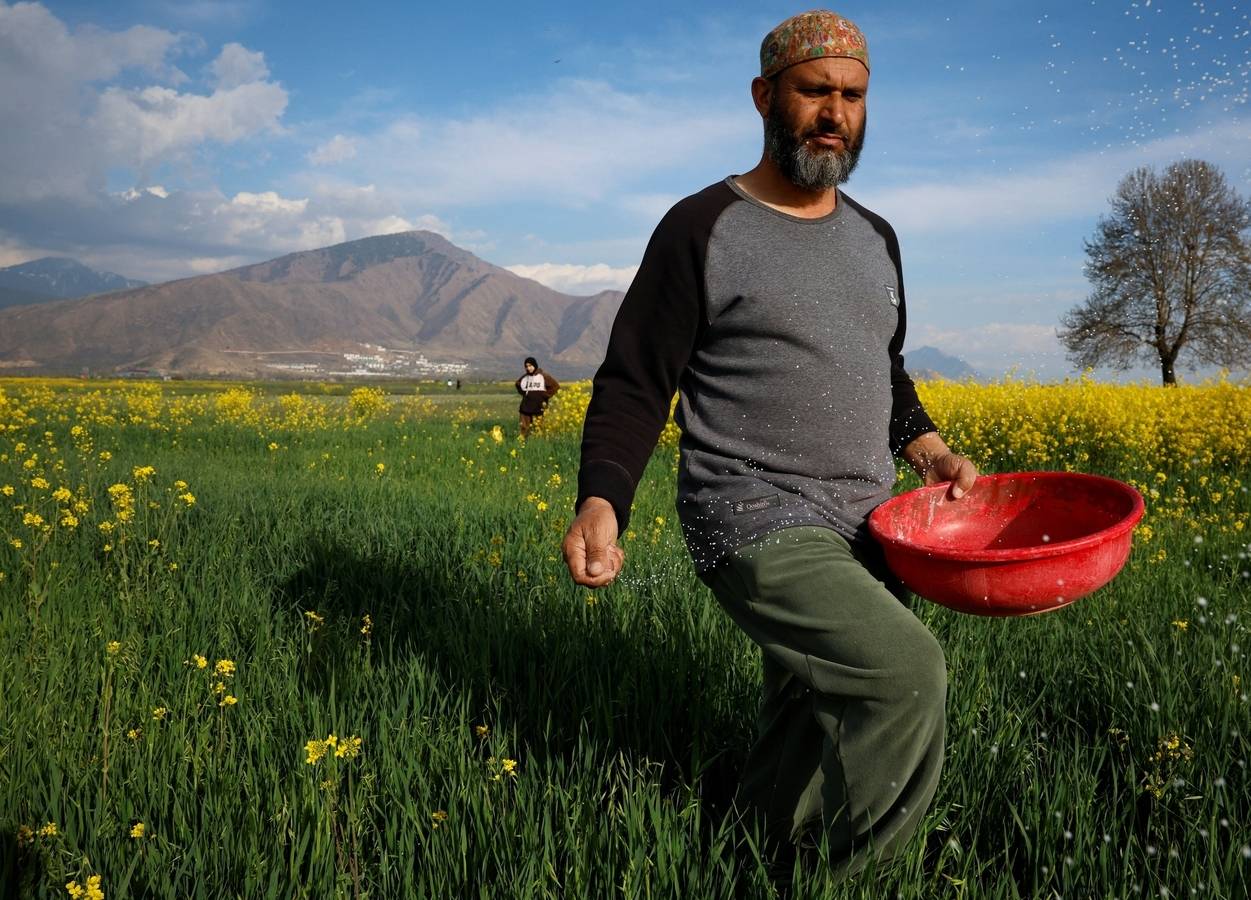
The timing could not be worse, as the northern hemisphere and parts of Africa are in the midst of planting season. Farmers in South Asia will start sowing in the next couple of months, when the monsoon arrives.
Wealthy farmers in the West are fairly sanguine, but poorer farmers, who barely grow enough to feed their families, are facing graver consequences.
The result is what Michael Werz of the Council on Foreign Relations calls a "slow-motion famine machine".