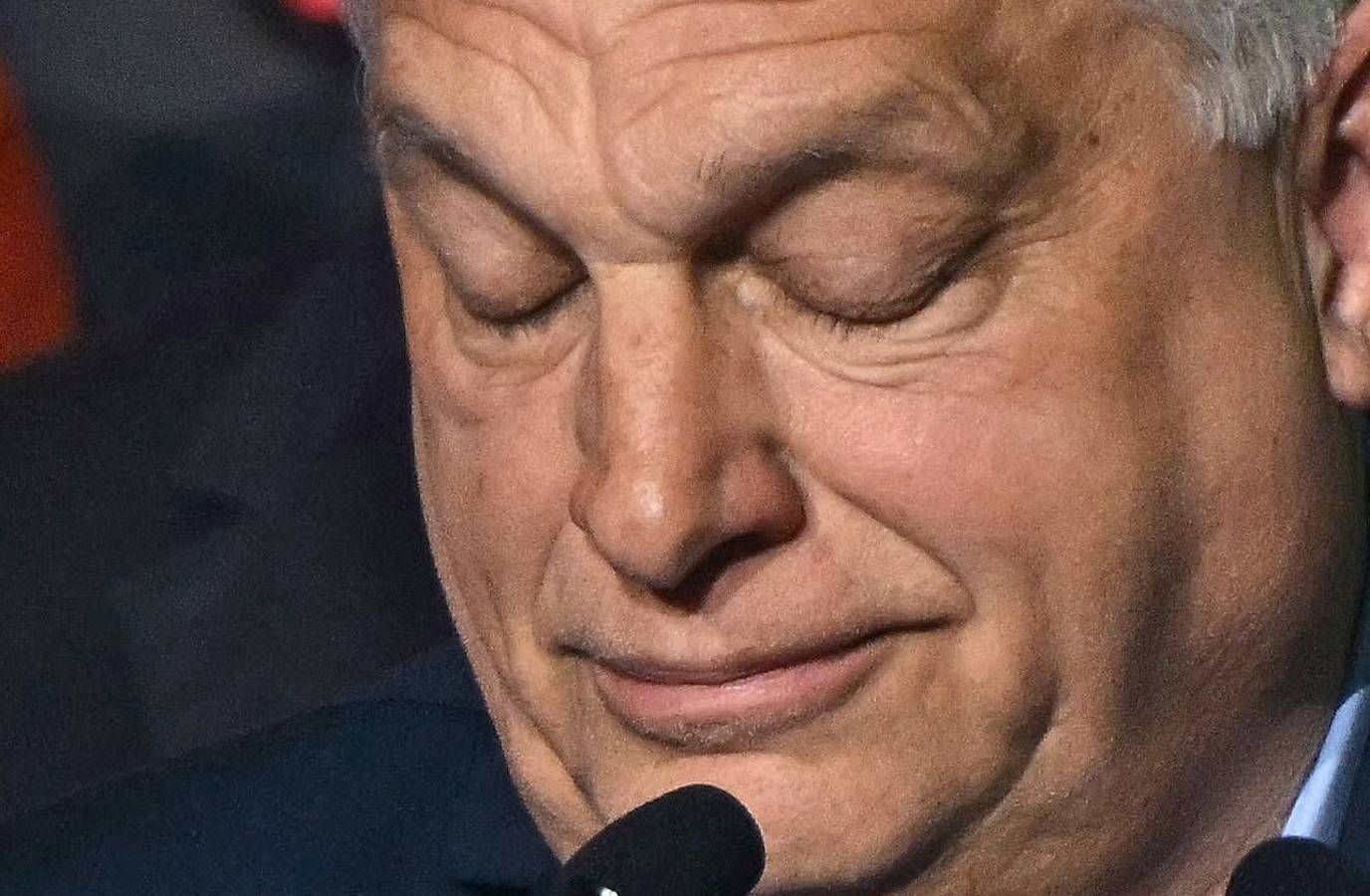
Hungary's parliamentary elections have seen a stunning upset, with Viktor Orban conceding defeat after 16 years in power. The opposition, led by Peter Magyar, a former insider turned critic, has taken control of the country's politics.
Orban's loss was not sudden, but rather the result of a steady erosion of his authority, growing public discontent, and the emergence of a formidable challenger from within his own system.
For 16 years, Orban dominated Hungary's political landscape, reshaping institutions and governance to create an 'illiberal state'. However, his government faced repeated accusations of weakening judicial independence, curbing press freedom, and restricting civil liberties.
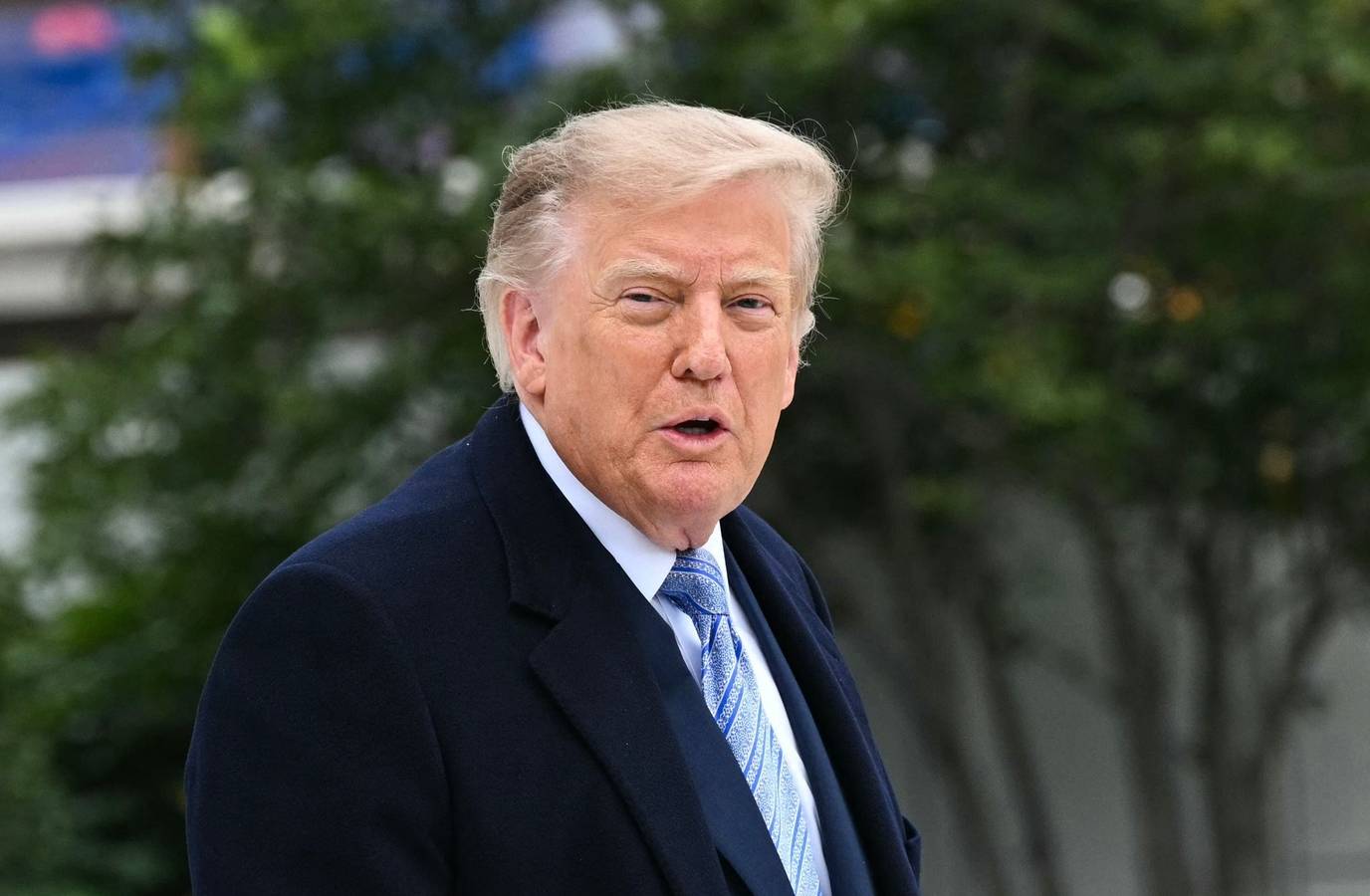
Despite these criticisms, Orban turned the clashes with the European Union into political capital, framing himself as a defender of Hungarian sovereignty against 'Brussels'. However, his focus on external alliances, particularly with Donald Trump, ultimately proved less effective.
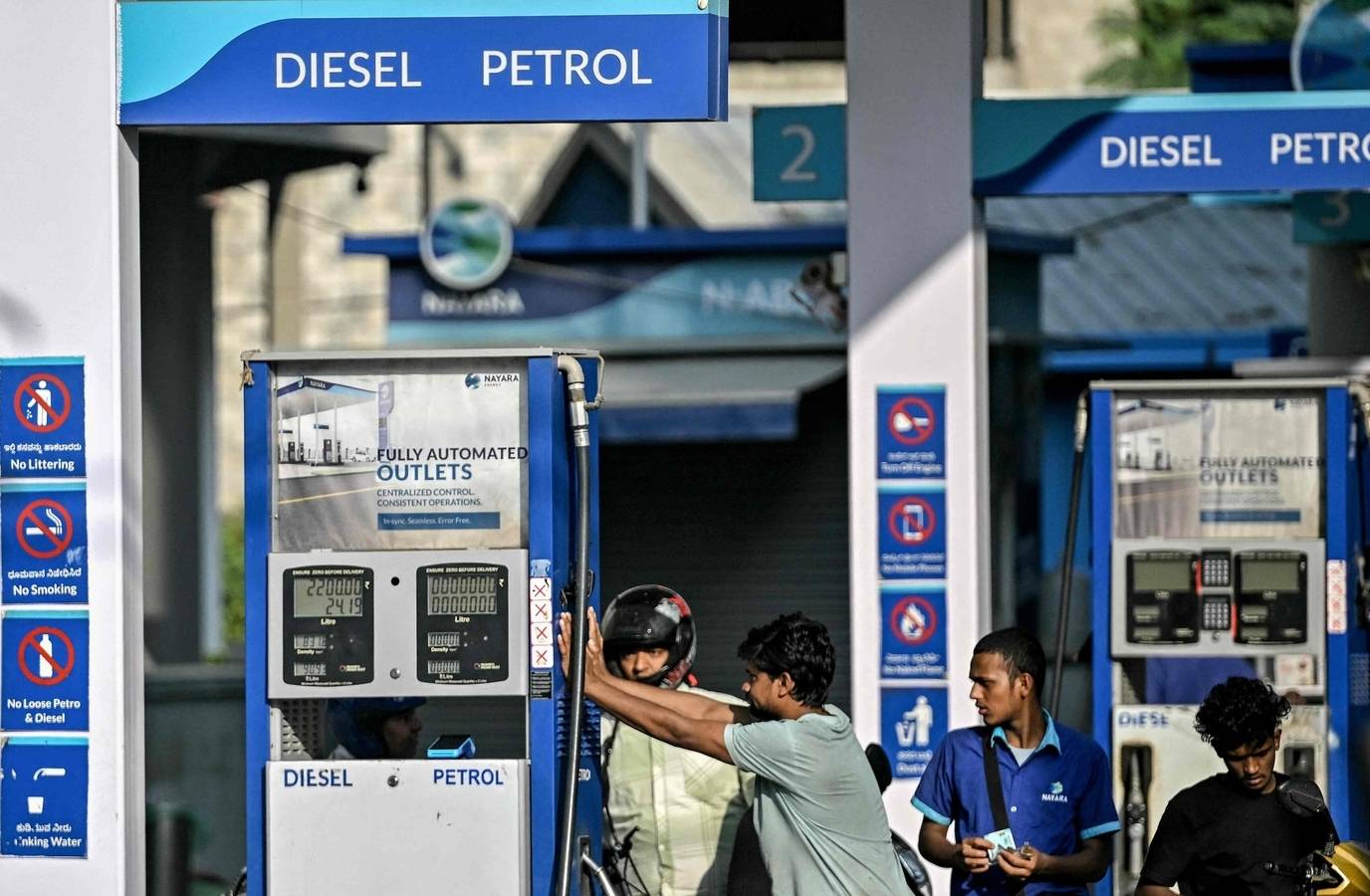
Magyar's campaign tapped into voter frustration over inflation, stagnant wages, declining public healthcare, and corruption, resonating with a population increasingly disillusioned with economic stagnation.
European leaders have welcomed Magyar's victory, framing it as a boost for democratic values across the continent.