Iran's Islamic government has survived financial pressure from the U.S. for nearly five decades by selling oil to China, but a U.S. Navy blockade may have met its match, analysts said.
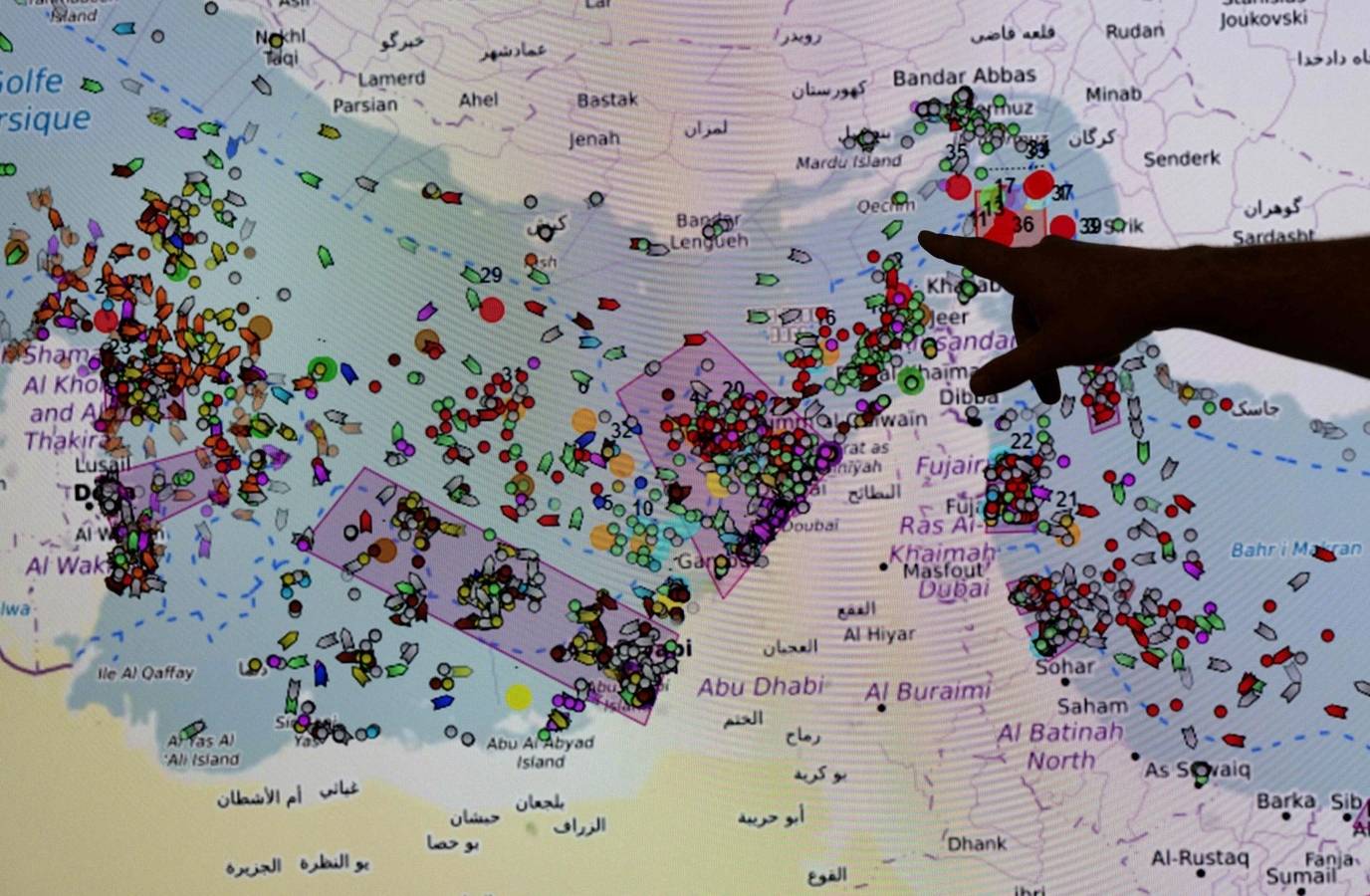
Tehran thought it was gaining the upper hand after the war started in February when it attacked ships navigating the Strait of Hormuz, shutting down commercial traffic and blocking a fifth of the world's oil and liquefied natural gas supplies.
The U.S. responded by blockading shipments from all Iranian ports, shutting down Iran's network of shadow ships that defied U.S. sanctions on Iran's substantial oil exports.
Iranian officials said Tehran could use previously unused weapons to attack U.S. warships, from submarines to mine-carrying dolphins, and the Islamic Revolutionary Guard Corps has threatened to step up escalation by cutting phone cables in the Strait of Hormuz.
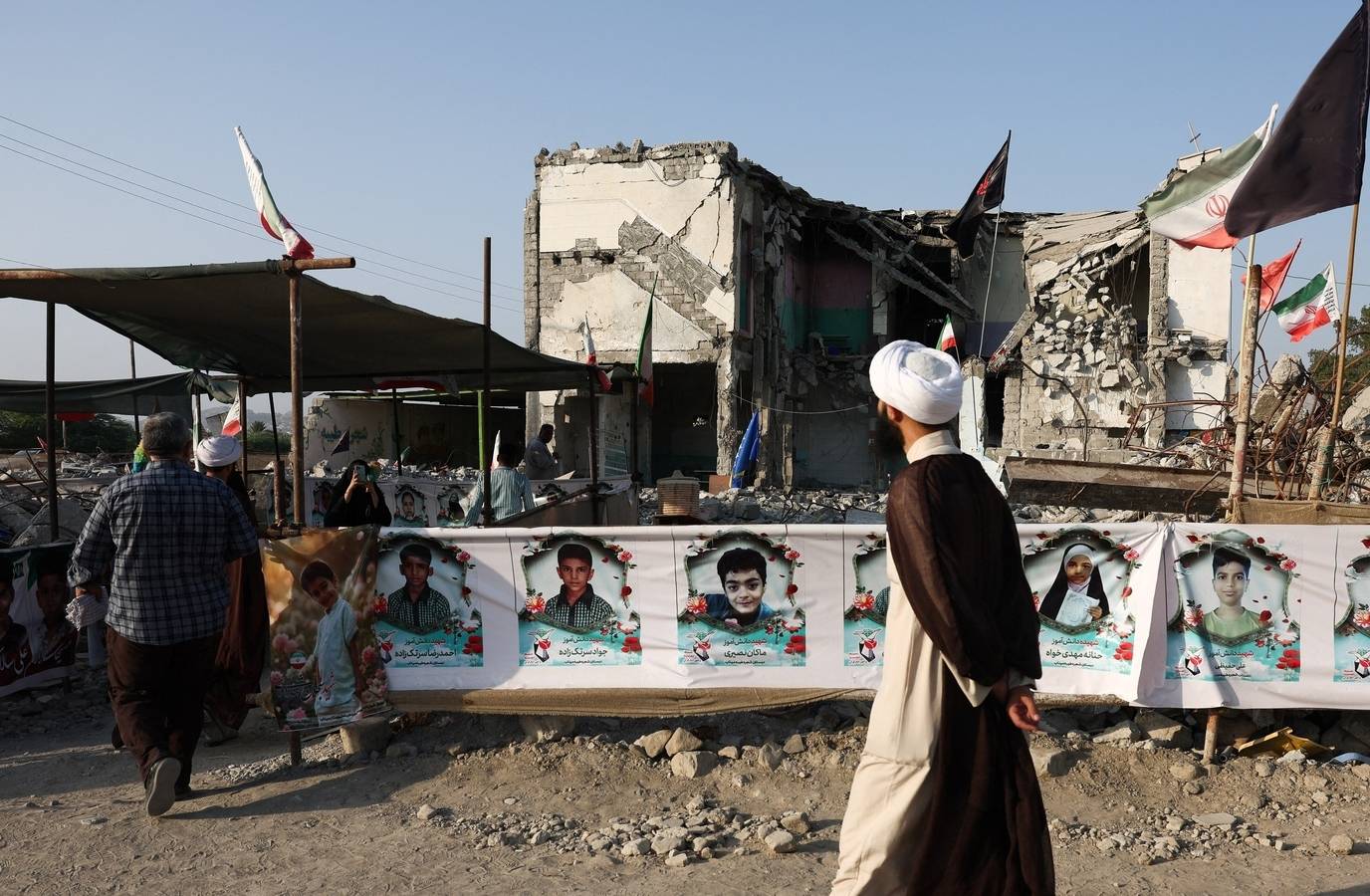
The war has imposed a heavy cost on Iran's economy, with more than a million people out of work, soaring food prices and a prolonged internet shutdown that has slammed online businesses.