FOR THE first month of their war on Iran, America and Israel mostly spared civilian infrastructure. In March bombers painstakingly picked around oil terminals and ports while attacking Kharg Island, an energy entrepot.
A week later Donald Trump told Israel to stand down after its strikes on South Pars, a gasfield, provoked Iranian retaliation against Qatari natural-gas facilities and shook markets.
The war’s second month began rather differently. On April 2nd, as families picnicked in a nearby valley, America damaged the B1, Iran’s tallest bridge.
The goal of such strikes is to disrupt daily life and reduce the regime’s tax revenues, which should hamper its ability to fight and, should it survive, ever rebuild its nuclear programme.
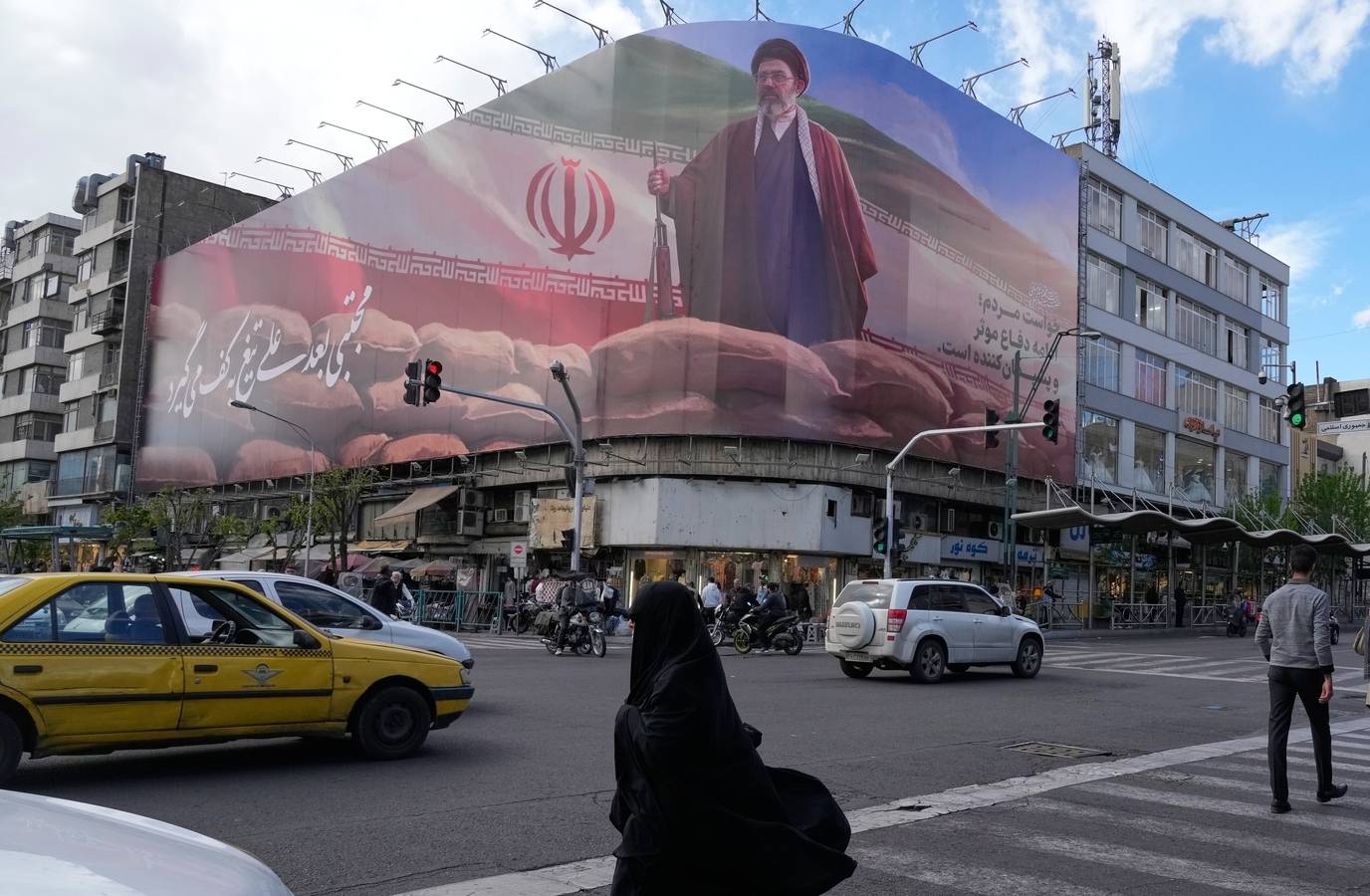
For ordinary Iranians, life was already painful owing to years of Western sanctions and, last June, 12 days of Israeli bombardment.
The economy shrank last year and six in ten people of working age are thought to be out of work, which prompted protests against the regime in January.
The 11,000 strikes carried out by America since late February have brought daily existence to a halt.
But the war runs on funds from the regime and the IRGC, whose income has been insulated from the vicissitudes of the broader Iranian economy.
Fighting is financed thanks to a sprawling portfolio, with proceeds coming from three main areas: oil sales, domestic manufacturing and illicit trade.
The IRGC processed roughly half of Iran’s oil exports in 2025, worth at least $30bn.
Domestic firms are a second source of finance. Each of the IRGC’s five branches owns sprawling conglomerates that have stakes in roughly half of Iran’s firms.
The IRGC’s manufacturers are benefiting from the sudden absence of foreign competition and wartime price rises.
Rising prices have boosted the IRGC’s income from illicit trade, too.
The Guards run ports, airports and border crossings, which gave it a near-monopoly over such trade.