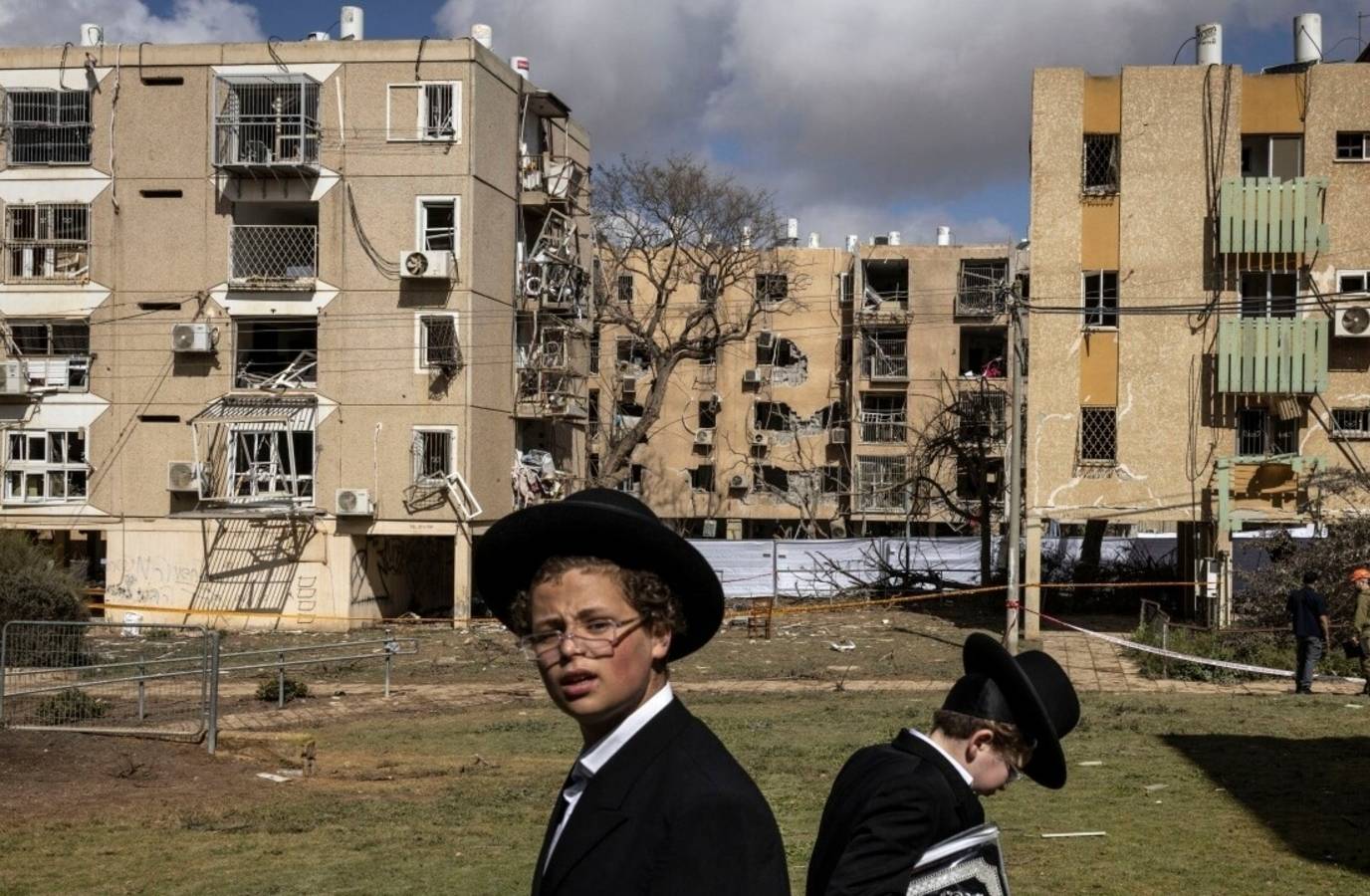
The U.S. and Israel have pounded Iran's missile-launching sites, but Tehran's missiles continue to fly. Iran has shifted to firing from deeper inside its territory with longer-range missiles, causing greater damage in some cases.
Even in small numbers, the weapons have helped Tehran achieve its goals – prolong the conflict, raise the economic costs on oil-exporting Gulf countries and in the U.S., and survive to fight another day.
Retired Gen. Joseph Votel said, 'They're not doing the big volleys like they were doing in the early days, but they don't need to.' All they really have to do is get something through, and they get a big bang for the buck.'
The resilience of Iran's missile systems to sustained American-Israeli bombing raises the prospect that a key war aim – preventing Tehran from threatening the Middle East with missiles and drones – will remain unfulfilled.
Halting the war with Iran's missile arsenal damaged but still intact would allow it to rebuild over time, salvaging missiles from underground bases and rebuilding production factories, some analysts said.
The difficulty of taking on Tehran's missile capability is illustrated by continued U.S. strikes on Iran's Imam Hussein Strategic Missile headquarters near the city of Yazd, an important hub for the regime's Khorramshahr missile.
The repeated strikes over several weeks suggest Iran is finding ways to adapt to the U.S.-Israeli air campaign, military analysts said.