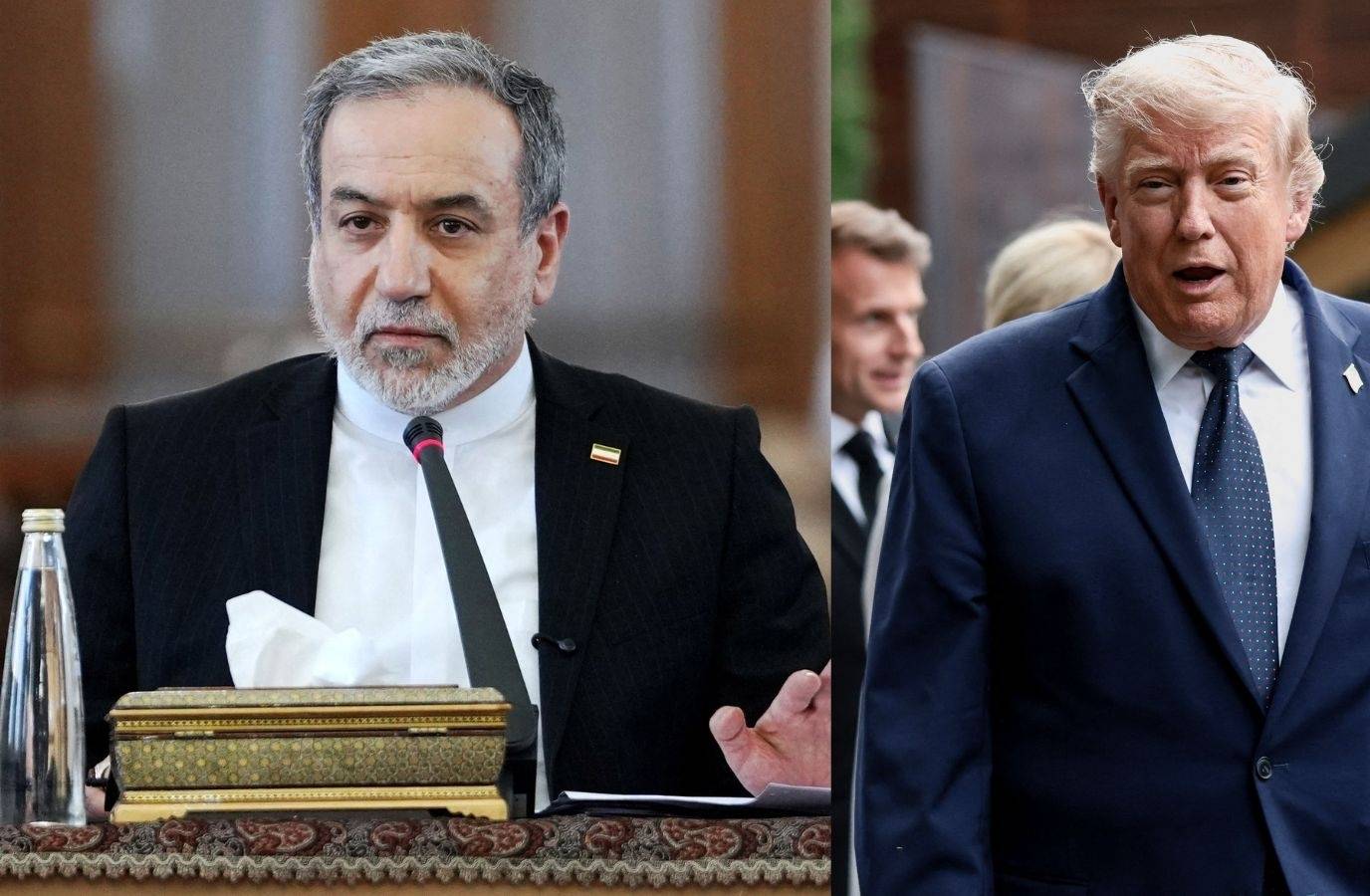
The United States and Iran have agreed to a deal to end the conflict in West Asia, with the framework set to be formally signed in Switzerland on June 19.
According to the draft memorandum, the US and its regional partners will create a plan for the rehabilitation and economic development of Iran, with financing of up to $300 billion.
The deal includes the right to sell oil immediately, the release of frozen assets, and the lifting of all sanctions on Iran, including those imposed by international agencies like the United Nations.
The US treasury department will issue waivers for exports of Iranian crude oil and petrochemical products, and the country will also release and make fully available the frozen or restricted funds and assets of the Islamic Republic.
The $300 billion fund will be created with the help of the United Arab Emirates, Qatar, and other countries, as well as the private sector.
Critics have argued that the deal is similar to the 2015 agreement, but US officials claim that this agreement is purely performance-based, with benefits only available if Iran agrees to give up its nuclear program and enriched uranium, and allows nuclear inspections.