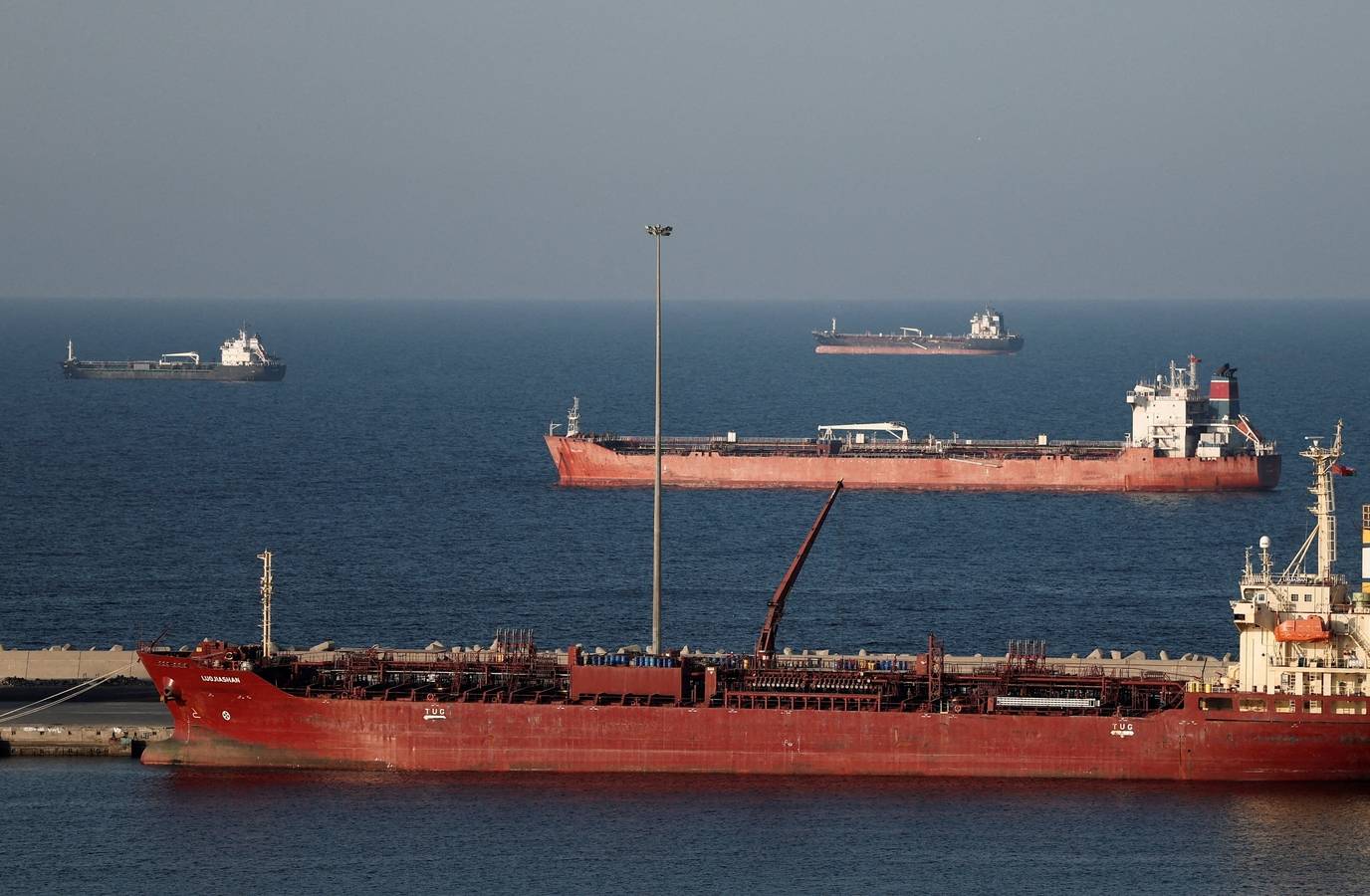
The Strait of Hormuz has emerged as the focal point of the ongoing Iran war, with the US-Israel axis, Iran, and the wider Gulf region being directly impacted. The military focus has converged on the 33-km-wide waterway, through which a huge share of the world's oil supplies pass.
Tehran is exploiting the vulnerability of the Strait, targeting shipping and attempting to expand the conflict into the Gulf. This has led to Gulf countries being turned into collateral damage, with 80% of the oil that transits Hormuz ultimately going to Asia.
Despite 17 days of relentless precision strikes, Iran continues to fire missiles and deploy drones, a sign that its arsenal is bruised but not exhausted. The bigger question is political: will President Donald Trump's plan to collapse the regime in Tehran succeed?
The war has also raised uncomfortable questions about America's traditional role as the security guarantor of the Middle East. The US still provides the Patriot batteries and anti-missile defences that protect Gulf skies, underlining that for all their frustrations, regional states have limited alternatives.
India is scrambling to diversify its energy sources, tapping Russia and non-Gulf states, as the Hormuz crisis is a direct threat to energy security and inflation. The US amphibious assault ship USS Tripoli is sailing from the Indo-Pacific towards the Persian Gulf with around 2,500 marines on board, potentially securing coastlines and protecting shipping lanes along Hormuz.