Natural gas prices in Europe surged as much as 35% on Thursday due to Iranian and Israeli strikes targeting key Middle East energy infrastructure. The strikes have caused significant damage that will likely take years to repair, sparking fears of long-term energy shortages.
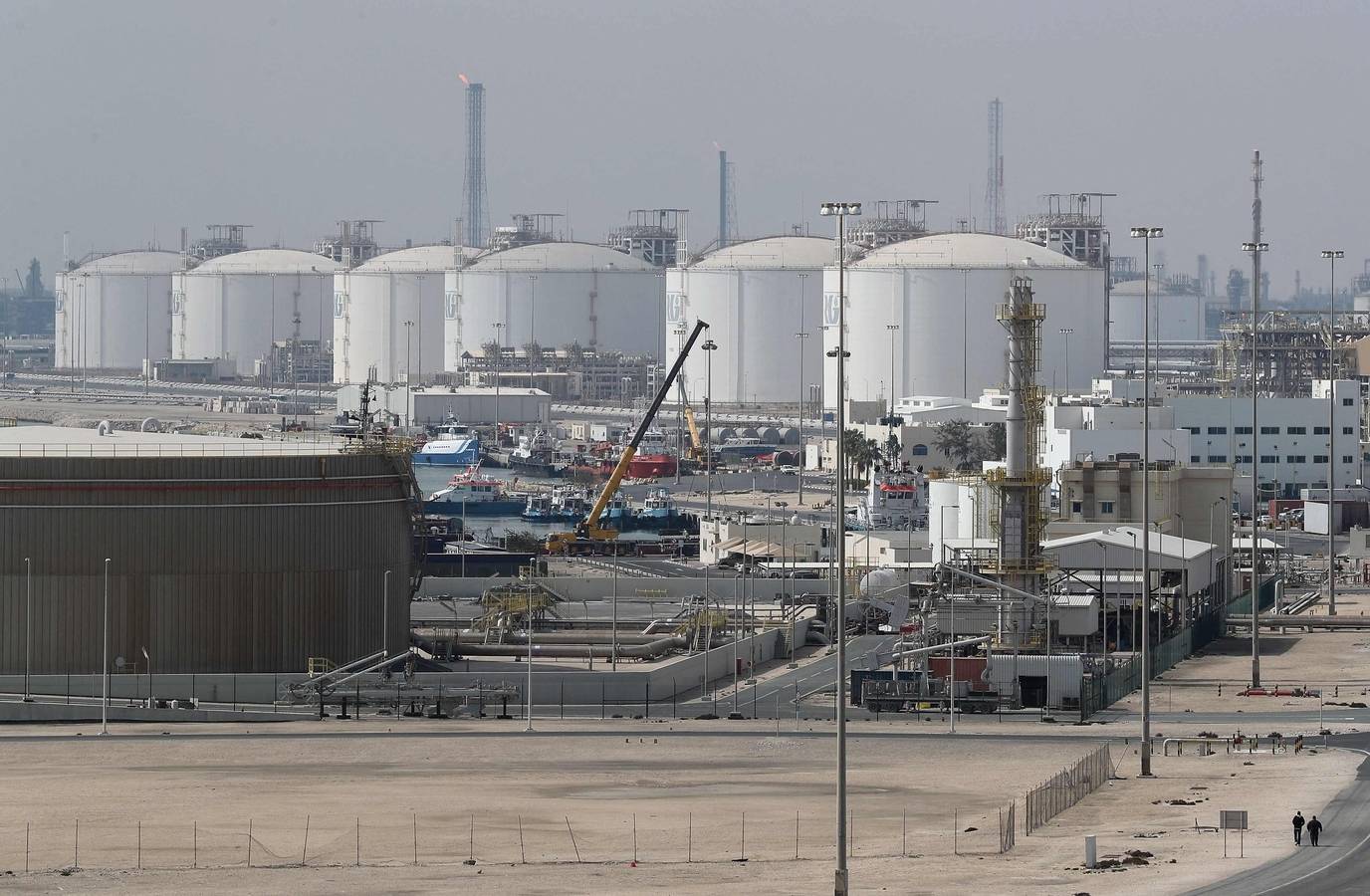
Iran struck the Ras Laffan liquefied natural gas facility in Qatar, the world's largest LNG complex, while Israel attacked Iran's huge South Pars gas facilities. The hit on Ras Laffan destroyed two LNG trains, potentially reducing Qatar's liquefied natural gas exports by 17% for three to five years.
Analysts warn that the conflict is no longer just about military headlines or the closure of the Strait of Hormuz, but now directly impacts the global energy system. The European Central Bank has warned that the war in Iran will have a 'material impact' on near-term inflation.
Financial markets expect euro zone inflation to climb close to 4% over the next year, and traders are pricing in two or three rate hikes by December. The International Monetary Fund estimates that every 10% increase in oil prices adds about 40 basis points to global inflation and cuts economic output by 0.1% to 0.2%.
Britain, France, Germany, Italy, Japan, and the Netherlands have called for an immediate moratorium on attacks on oil and gas facilities, and are working with energy-producing nations to stabilize markets.