Two weeks after the Iran war began, top oil-industry executives warned Trump officials that oil prices could climb much higher unless the vital Strait of Hormuz waterway reopened soon.
A U.S. barrel fetched $84.88 Friday, driven lower again by reports that the U.S. and Iran were closer than ever to a peace deal.
Oil executives and commodities traders still say the worst is yet to come even if hostilities cease: Global oil stockpiles are declining rapidly, getting ever closer to a critical low point that could force prices higher.
China's import cuts have taken away a chunk of global demand, keeping oil prices in check, but analysts and traders differ on just how long China's import cuts can last.
Traders have learned in the past months that betting against Trump is a dangerous endeavor, and Trump's verbal interventions have repeatedly taken the steam out of oil prices.
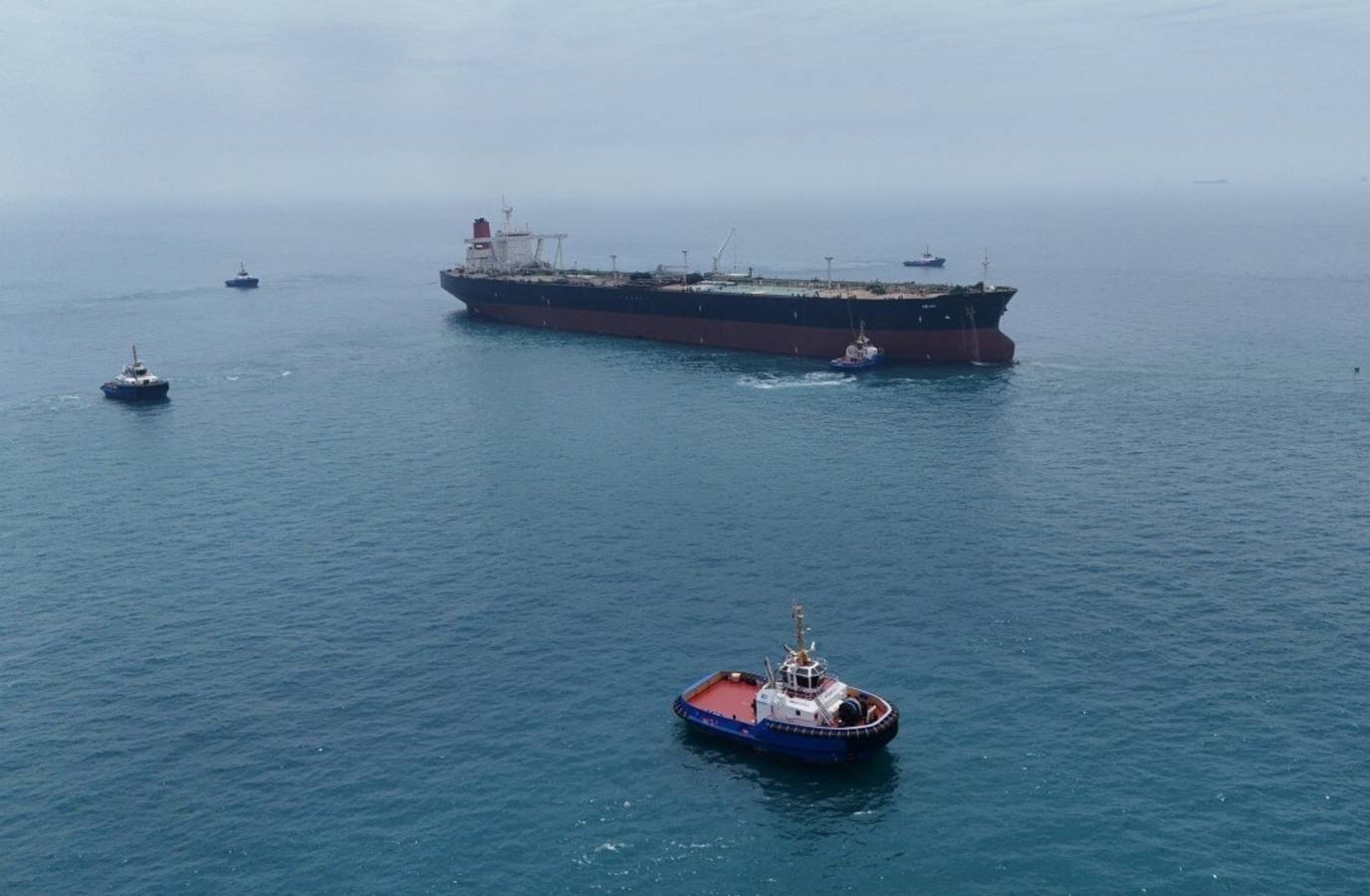
About 100 million barrels of non-Iranian oil have reached global markets through the Strait of Hormuz since the beginning of May, according to commodities- and shipping-data provider Kpler.
The world's energy resilience has been highlighted by the Hormuz crisis, which struck at an opportune moment when the world had energy reserves.
Countries have become steadily more energy efficient, squeezing more economic activity out of each drop of oil or cubic meter of natural gas burned.
New oil routes, such as Saudi Arabia's East-West Pipeline and a smaller Emirati pipeline, are helping Gulf producers bypass the Strait of Hormuz.
However, the big caveat is that member countries of the Organization for Economic Co-operation and Development are expected to sink below 2.3 billion barrels by December, the lowest since 2003.