The Russian Economy Looks More Vulnerable Each Day | World News
A pressure campaign using sanctions and enforcement could compel Putin to reach a meaningful peace. | World News
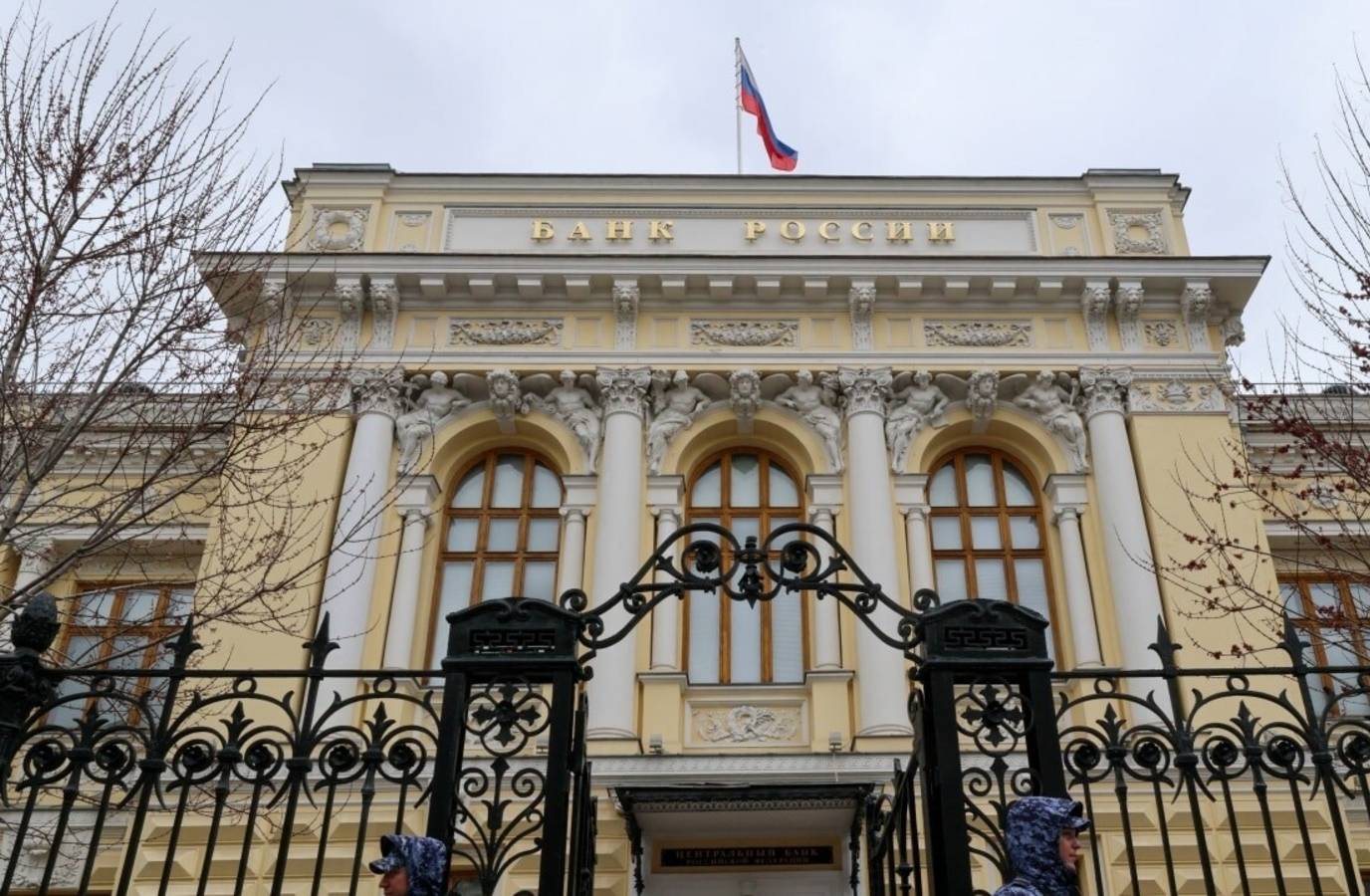
No one knows how the war in Ukraine will end, but it appears to be pushing the Russian economy toward crisis. Bloomberg reported recently that senior Russian officials have warned Vladimir Putin that wartime spending is becoming unsustainable. Mr. Putin acknowledged in April that “the trajectory of macroeconomic indicators is currently below expectations.” In May, Valery Gartung, a longtime member of the State Duma, voiced his alarm during a plenary session: “What are we going to do about it? Print money? Like in ’92, when prices were rising by 30% every week?”Russia’s currency-printing presses are running at full speed. In the first four months of 2026, the budget deficit reached 5.87 trillion rubles ($81 billion), exceeding the government’s full-year target of 3.79 trillion rubles. Cut off from international capital markets, Russia depends on domestic bonds to fund its shortfall. Several bond auctions in 2024 and one in 2026 failed due to weak demand. Since then, the banking sector—responding to incentives from the Bank of Russia—has become the primary buyer of government debt, purchasing bonds at elevated yields. As Iwona Wiśniewska of the Warsaw-based Center for Eastern Studies argues, this structure increasingly resembles a self-reinforcing finance cycle in which the state relies on the domestic banking system, supported by central-bank liquidity, to sustain rising budget deficits at growing fiscal cost.Russian banks were already sounding the alarm over deterioration in their loan portfolios before an economic contraction this year added to a wave of corporate defaults. Moreover, the state has pressured banks to extend credit to companies in the military sector at below market rates since early in the war, squeezing profitability. At the same time, the Bank of Russia has maintained high interest rates to contain inflation and support financial stability, with its benchmark rate at 14.5%. The combination of elevated borrowing costs and slowing economic activity has weakened credit demand and increased risks in mortgage and consumer lending. Some Russian analysts warn that one-quarter of the country’s corporate bond market is in an elevated-risk category. If financial conditions continue to worsen, Russians could see a wave of bank failures.Budget imbalances and revenue shortfalls are forcing difficult choices on Mr. Putin. Although he has tried to bolster state finances by raising Russia’s value-added tax and confiscating the wealth of certain oligarchs, he has shielded wartime spending from broader budget cuts. As a result, municipal infrastructure and social services are under great strain with more pain to come. Russia has become more dependent on China for consumer and industrial goods while its own automobile, steel, coal and construction industries face mounting challenges. Even Russia’s once-vaunted oil-and-gas industry faces major headwinds.The war in Iran has provided Putin a temporary respite through the rise in global energy prices. The U.S. decision to waive sanctions temporarily on seaborne Russian oil probably narrowed the discount between the Brent benchmark and Urals oil. But Russia was circumventing Western sanctions long before the U.S. decided to grant a reprieve. China has played an especially important role by buying Russian oil.The moment is ripe for a pressure campaign that pushes the Russian economy toward exhaustion and forces Mr. Putin into a meaningful peace. This could be achieved by working with allies in Europe and the Middle East to increase pressure on Russia’s oil revenues through rigorous enforcement of sanctions targeting the shadow fleet, money-laundering networks and illicit arms sales to Moscow. Such enforcement could include secondary sanctions on banks in China, Hong Kong and the United Arab Emirates that facilitate these transactions.In his first 17 months in office, President Trump has reshaped the geopolitical map—crippling Iran’s economy, unsettling the Venezuelan regime and driving Cuba deeper into crisis. Russia now stands as the next test. If Washington can sustain and escalate coordinated economic pressure, it has the chance to weaken the Kremlin’s war machine and force Putin to choose between economic collapse and a negotiated peace in Europe.Messrs. Duesterberg and Rough are senior fellows at the Hudson Institute.