A sudden push for a ceasefire by Donald Trump is under analysis as the US ramps up its military presence in the Middle East; raising questions about whether the move signals de-escalation or a calculated pause to regroup.
Reports indicate that diplomacy is unfolding alongside a steady build-up of force, with a tight timeline set for Iran to reopen the Strait of Hormuz, a critical route that carries nearly a fifth of the world’s oil supply.
The US has set a short deadline for Iran to reopen the Strait of Hormuz, aligning with the arrival of thousands of US Marines in the region, including personnel aboard the USS Tripoli.
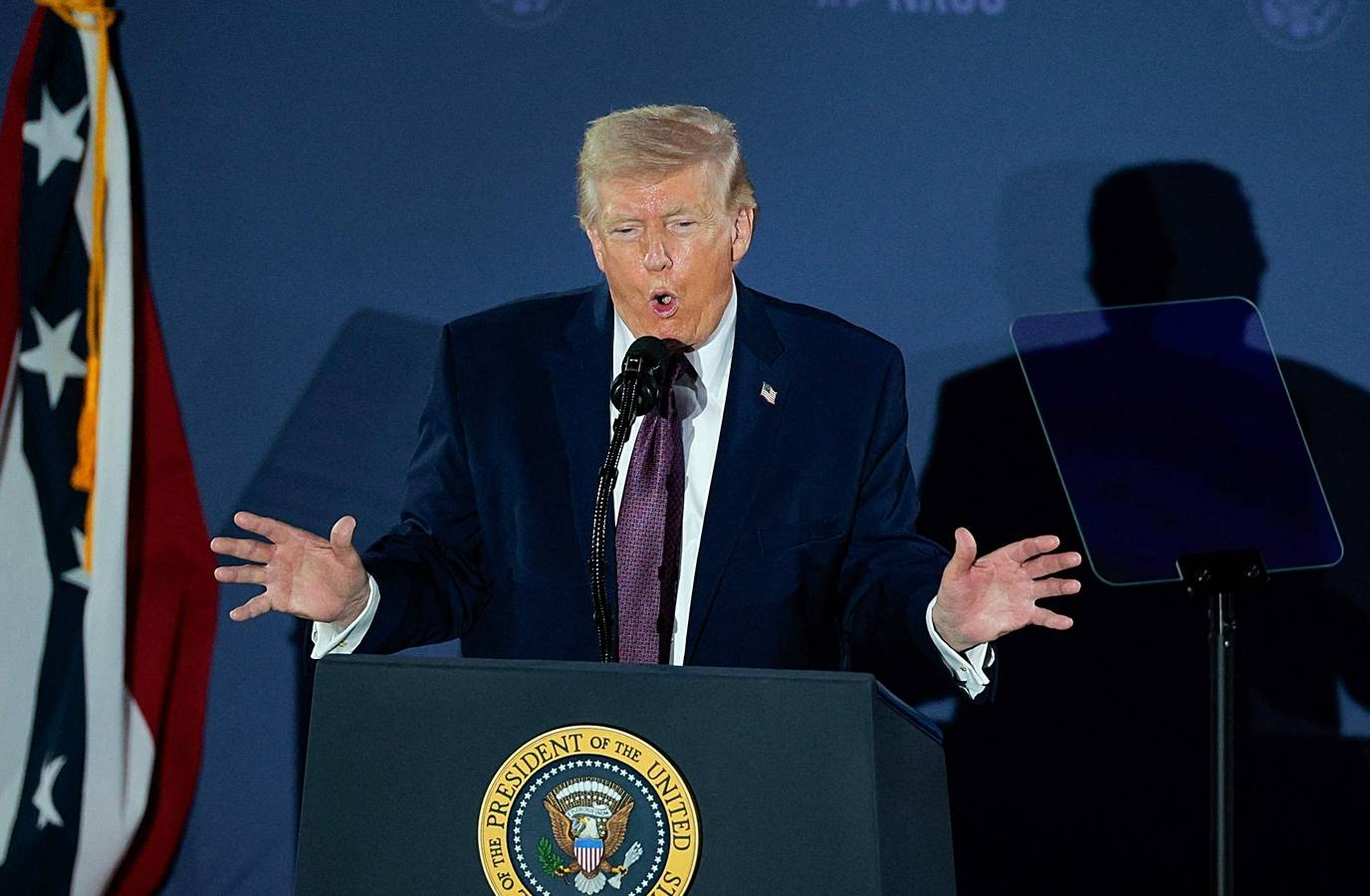
Trump has said he would “see how” talks progress, but warned that if no agreement is reached, the US would continue military strikes.
Analysts say the presence of such forces allows Washington to pivot to more direct engagement if required, opening up more military options, including potential targets like Kharg Island and strategic points along the Strait of Hormuz.
However, any ground operation would be highly complex and risky, with US forces facing missile and drone attacks, and analysts warn that such actions could lead to a more regional escalation with significant costs.
As military preparations intensify, message from the White House has remained inconsistent, with Trump suggesting the US is close to “winding down” the conflict while simultaneously approving additional troop deployments.
The administration also eased certain sanctions on Iranian oil to stabilise global energy markets: an unusual move during an ongoing conflict that provided Tehran with limited economic relief.
Iran has set firm conditions for any agreement, including compensation for damage caused by US strikes and guarantees of a lasting ceasefire, complicating negotiations and reducing the likelihood of a quick breakthrough.
With Tehran holding leverage over a vital global oil route, experts warn any deal would require significant concessions, and continued military pressure suggests Washington is unwilling to rely on diplomacy alone.
The ceasefire push appears less like a definitive move toward peace, as troops continue to arrive, the coming days could determine whether this “truce” leads to de-escalation or simply delays the next phase of conflict.