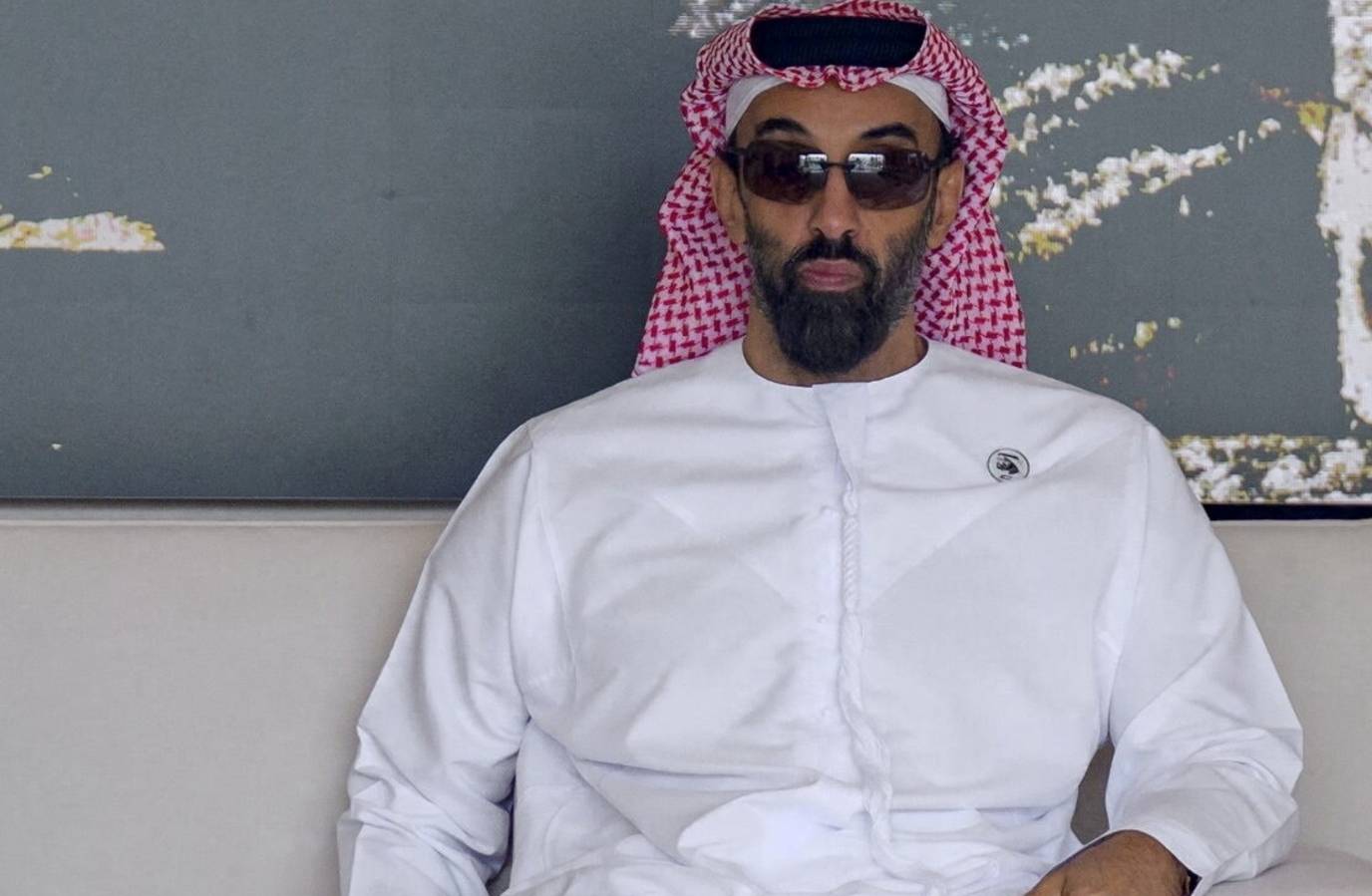
As the United Arab Emirates seeks to repair ties with Iran following months of conflict, Sheikh Tahnoon bin Zayed Al Nahyan has emerged at the center of the effort.
The UAE national security adviser, who oversees a vast $1.5 trillion empire, has taken on a key diplomatic role of opening channels with Tehran, according to a report by Bloomberg.
Sheikh Tahnoon reportedly played a central role in Abu Dhabi's shift from an initially hardline stance toward a more pragmatic policy of engagement with Tehran, the report added, citing people familiar with discussions.
The UAE was among the countries hardest hit by the regional conflict that began on February 28, with Iranian missile and drone attacks killing around a dozen people and causing billions of dollars in damage to ports, oil facilities, and hotels.
However, once the strikes ceased, national security officials from both countries held their first face-to-face meeting since the war began, marking a major turnaround in relations, with Sheikh Tahnoon helping establish direct communication channels with Iranian leaders while maintaining close contacts with Western governments.
This is not the first time Sheikh Tahnoon has been tasked with mending strained regional relationships, having visited Tehran in 2021 as part of a broader effort by Abu Dhabi to rebuild ties across the region.
While UAE President Sheikh Mohamed bin Zayed Al Nahyan has remained the public face of Emirati diplomacy, Sheikh Tahnoon's efforts during the conflict largely stayed out of the spotlight, with Qatari Prime Minister Mohammed bin Abdulrahman Al Thani speaking with him about coordinating mediation efforts aimed at easing regional tensions.
People familiar with Sheikh Tahnoon's thinking said he advocated a business-first, pragmatic approach toward Iran, arguing that regional stability was essential for economic growth.