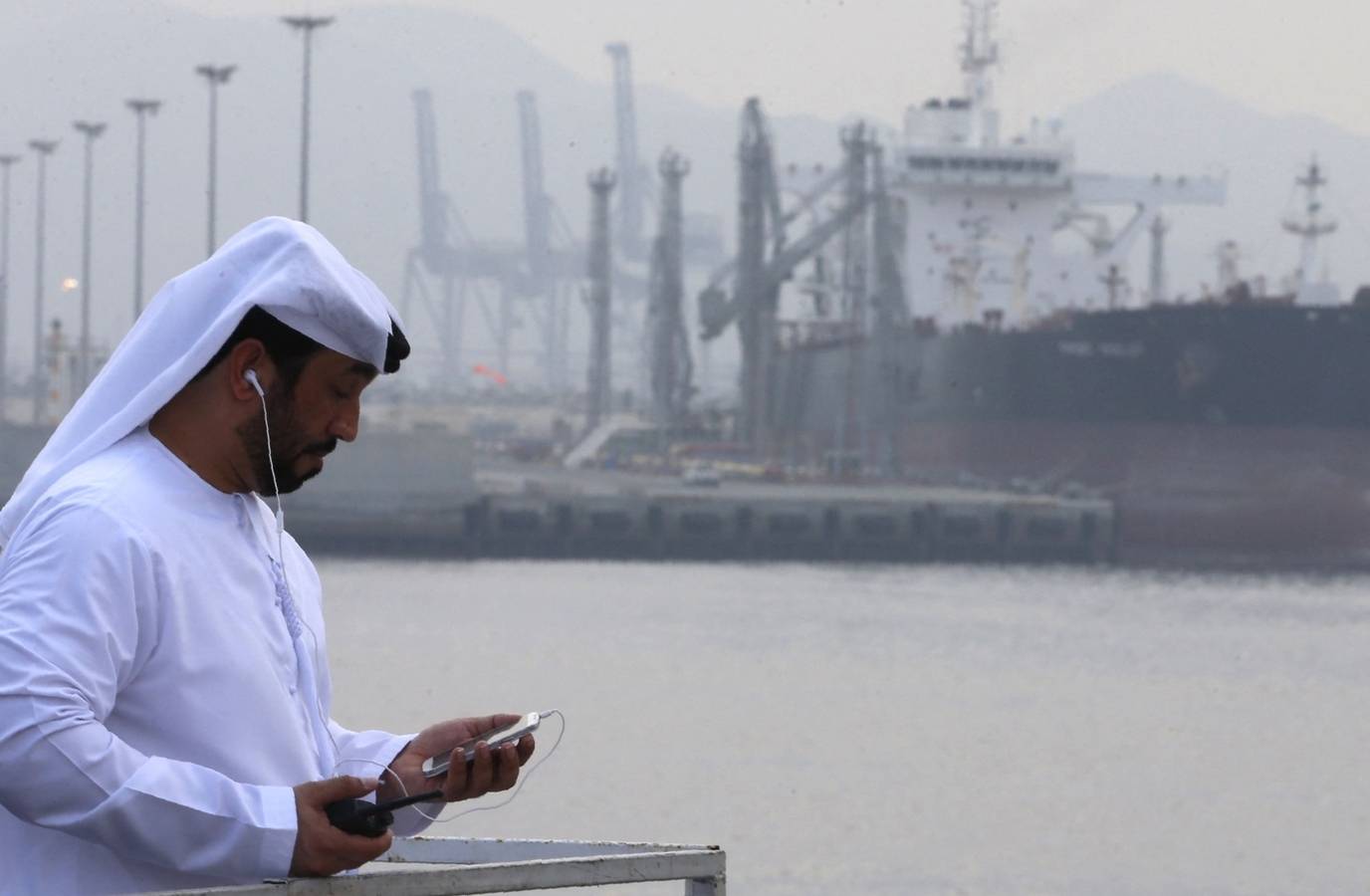
The United Arab Emirates' (UAE) decision to exit the Organization of the Petroleum Exporting Countries (OPEC) marks a significant shift in the global oil market and regional politics.
The move, which has been years in the making, is seen as a response to the UAE's growing frustration with OPEC's policies, particularly its inability to address the country's concerns about oil production and pricing.
As OPEC's third-largest producer, the UAE had long been a key player in the cartel, but its departure has weakened OPEC's bargaining power and freed Abu Dhabi from serving as its shock absorber for mandated oil cuts.
The UAE's exit is also seen as a sign of its growing independence from Saudi Arabia, its longtime ally and de facto leader of OPEC.
The move is expected to have significant implications for the global oil market, including downward pressure on prices, and could also have a major impact on regional politics, particularly in the Middle East.
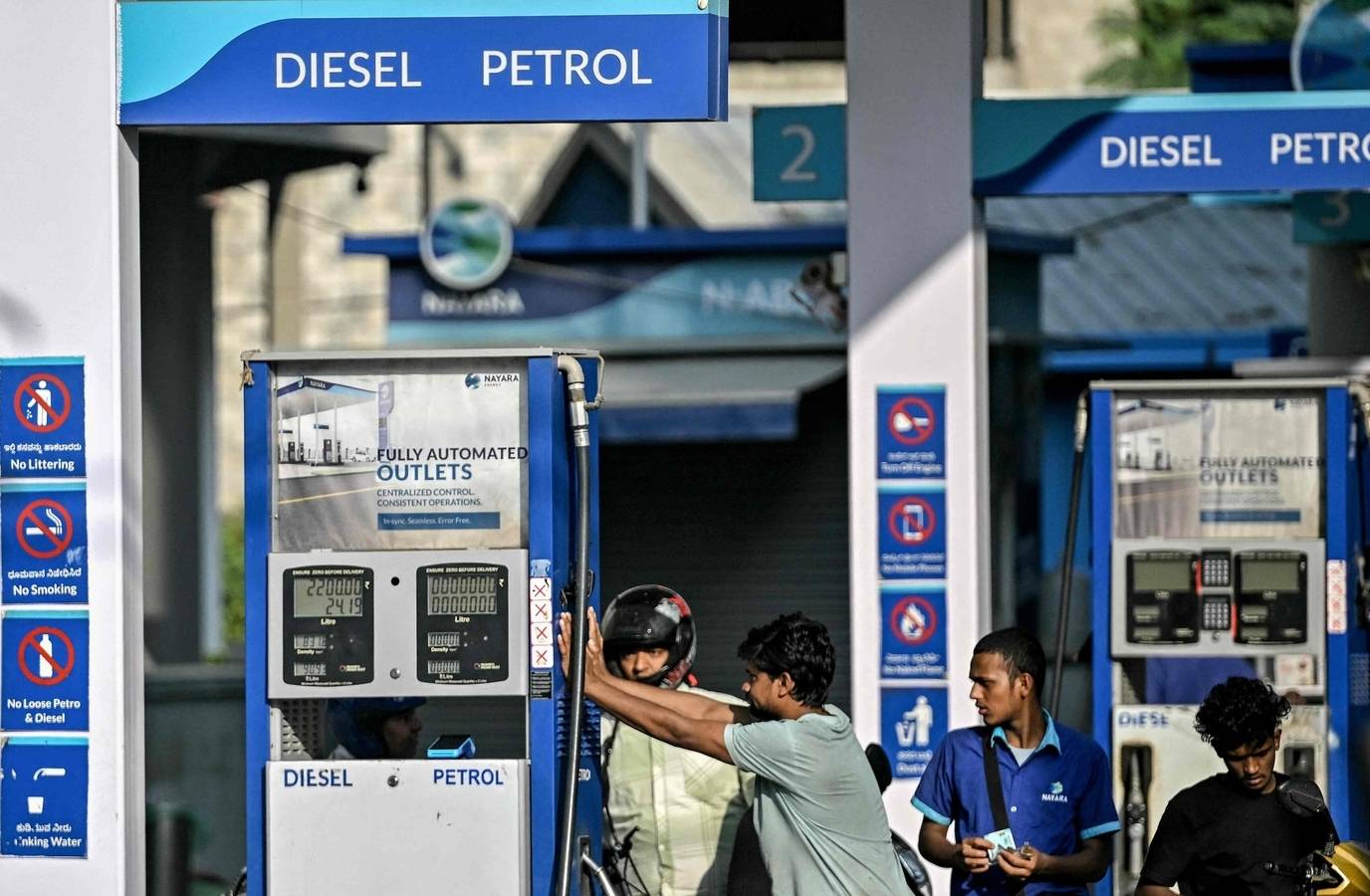
India, which is a major consumer of oil and has close ties with the UAE, is likely to benefit from the UAE's exit, as it will strengthen its hand in securing supplies and better terms.