America's status as the world's top arms dealer is being put to the test as the country's war with Iran has left it struggling to meet its commitments to European allies.
According to the Stockholm International Peace Research Institute, America's share of global arms exports jumped to 42% between 2021 and 2025, with exports to Europe increasing by 217% over the same period.
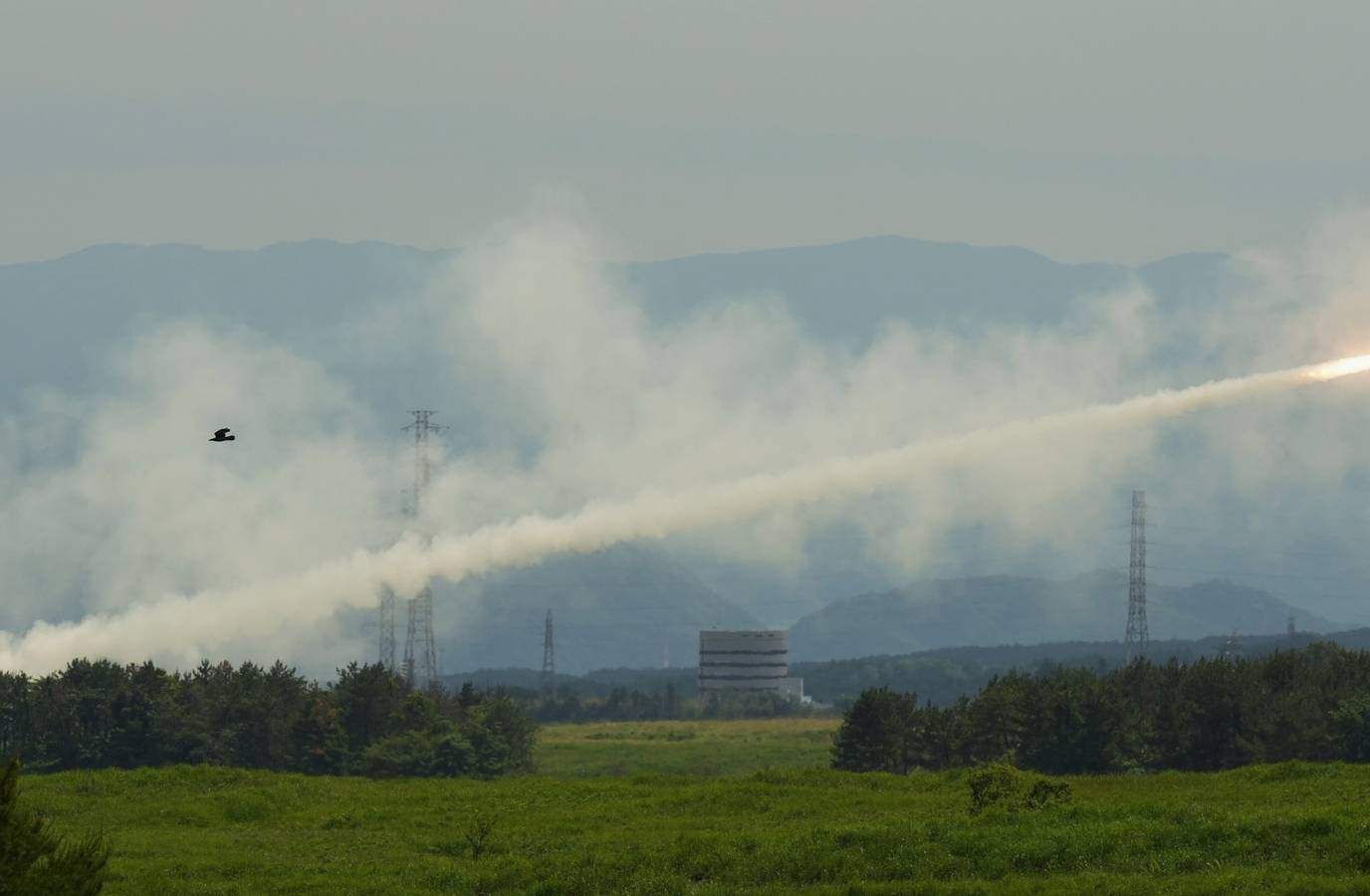
However, the Iran war has seen America burn through munitions at an alarming rate, with over 1,300 interceptor missiles used in the conflict, equivalent to more than two years of production at current rates.
As a result, European countries are facing significant delays in the delivery of American-made weapons, with some shipments being diverted to replenish America's own depleted stocks.
The delays have left European diplomats frustrated, particularly given the White House's previous pressure on European governments to boost defence spending and buy American kit.
The shortfall of munitions is starting to complicate NATO's operational plans, and further delays may affect the flow of weapons to Ukraine.
Europe buys most of its weapons from America through the Foreign Military Sales (FMS) process, which allows the American government to adjust the terms of deals.
The fine print on each agreement states that 'materiel procured or stocked for FMS may be diverted to meet higher priority requirements', and America has redirected the delivery of some weapons in the past.
The current problem is the sheer scale of the shortage and America's inability to fulfil a giant backlog of orders, with some European countries facing delays of up to seven years for the delivery of certain weapons.