The Iran war has raised tough questions on America's role as protector of global trade, with the US struggling to dictate terms regarding the Strait of Hormuz to Iran.
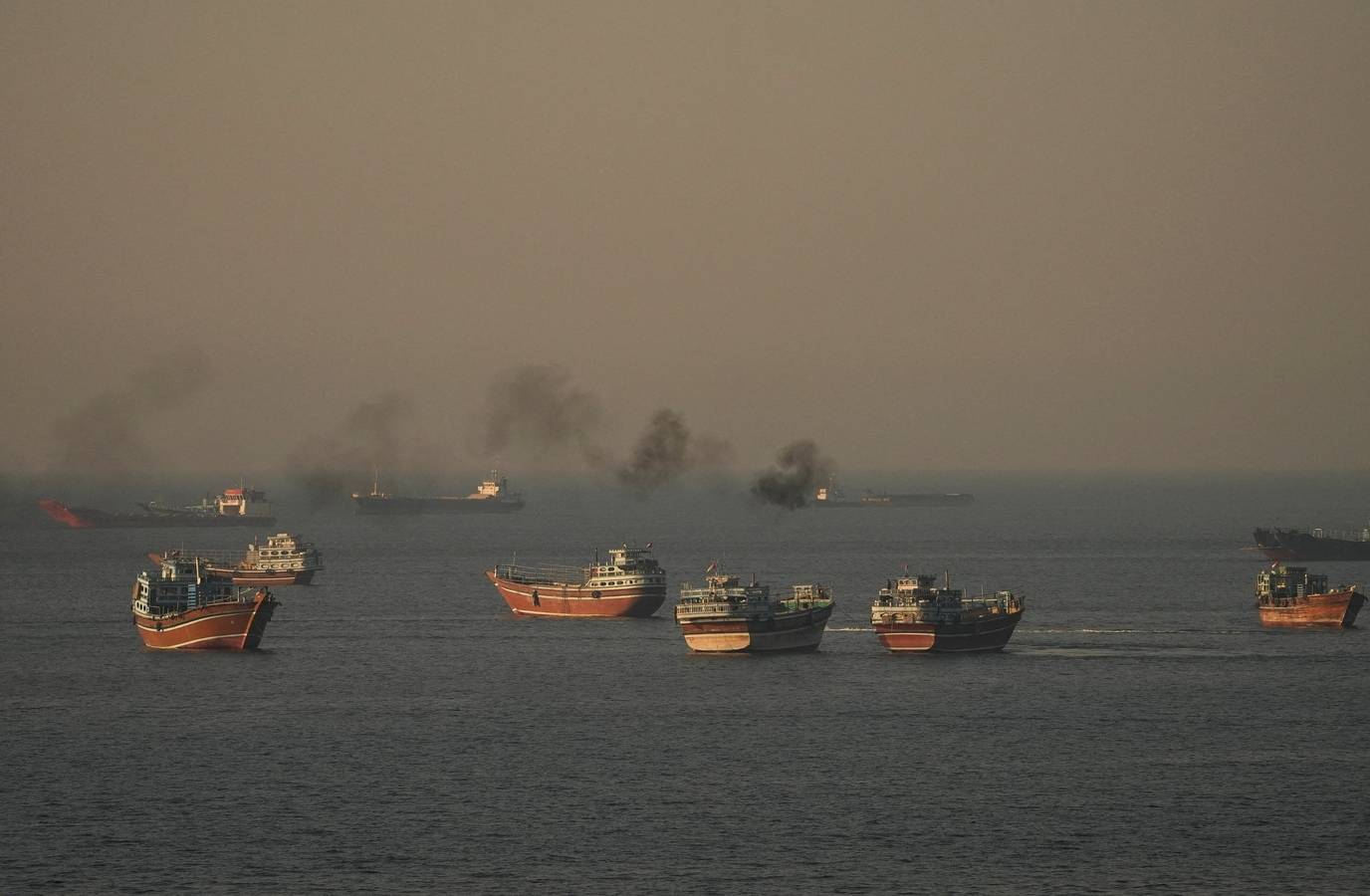
Despite Washington's overwhelming military strength, Iran's ability to use drones, mines, and small boats to shut down free movement of shipping has shed uncomfortable light on the role of US power in protecting freedom of navigation and ensuring free trade.
Experts warn that the US is not able to convert its military capabilities into strategic victory, leaving the country in a weaker position than when the war began.
The conflict has also made life much harder for ordinary Iranians, who faced a brutal crackdown for protesting against the regime just weeks before the war.
The US-Israeli airstrikes have taken out much of the Islamic Republic's leadership and degraded its military, but have also left Gulf states questioning the reliability of the US security umbrella.
The key strategic issue moving forward is the Strait of Hormuz, with the world waiting to see if the US will grant Iran even partial control over shipping through the waterway.
Experts warn that the deal may effectively codify Iranian control over the strait by creating a framework for Iran to extract fees from transiting vessels.