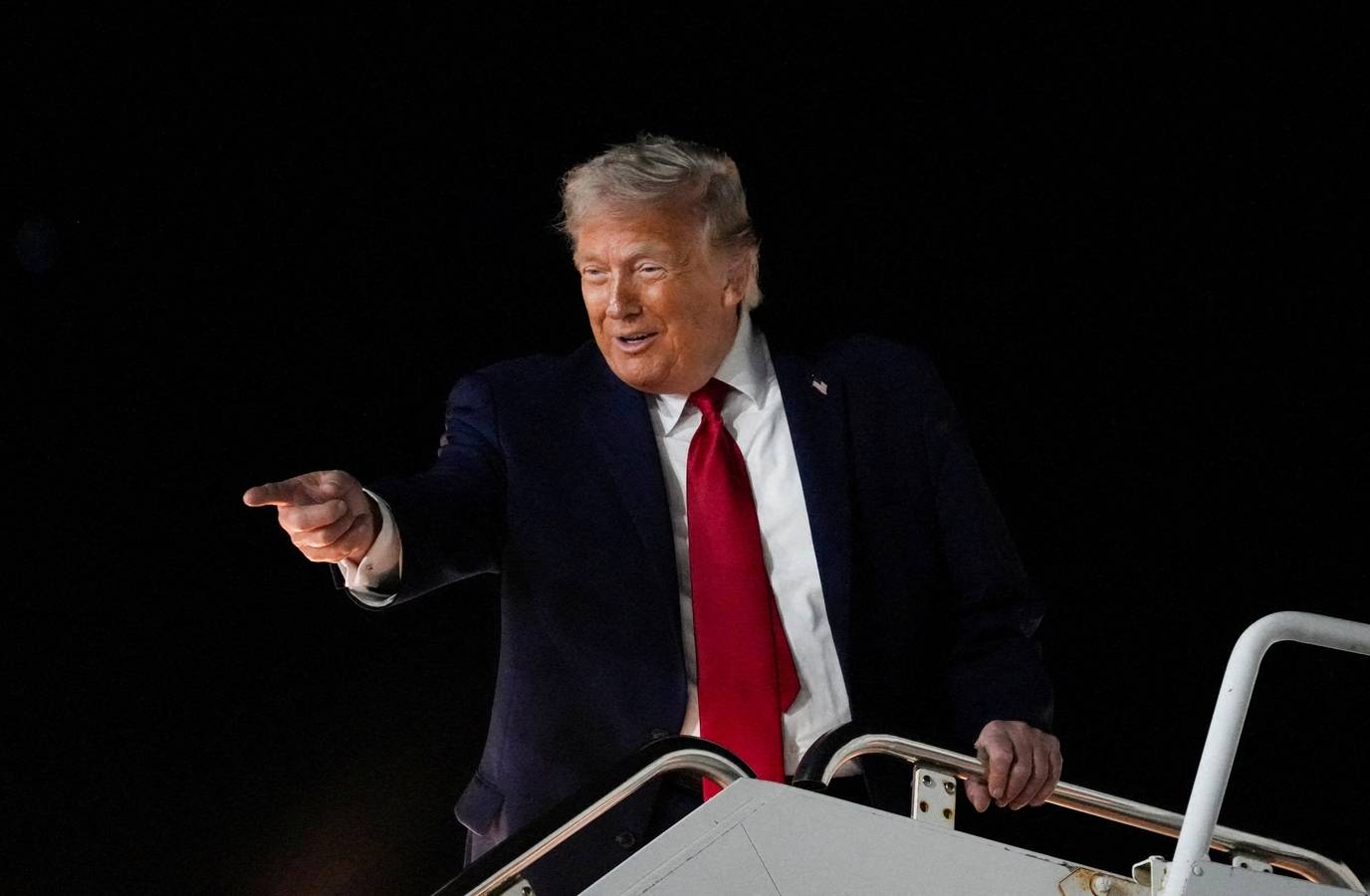
Officials at the White House seriously contemplated the suspension of habeas corpus rights for undocumented immigrants during Donald Trump's second term, according to a report by The New York Times.
Stephen Miller, the White House deputy chief of staff, was among the most vocal proponents advocating for this drastic measure as part of a strategy to increase deportations.
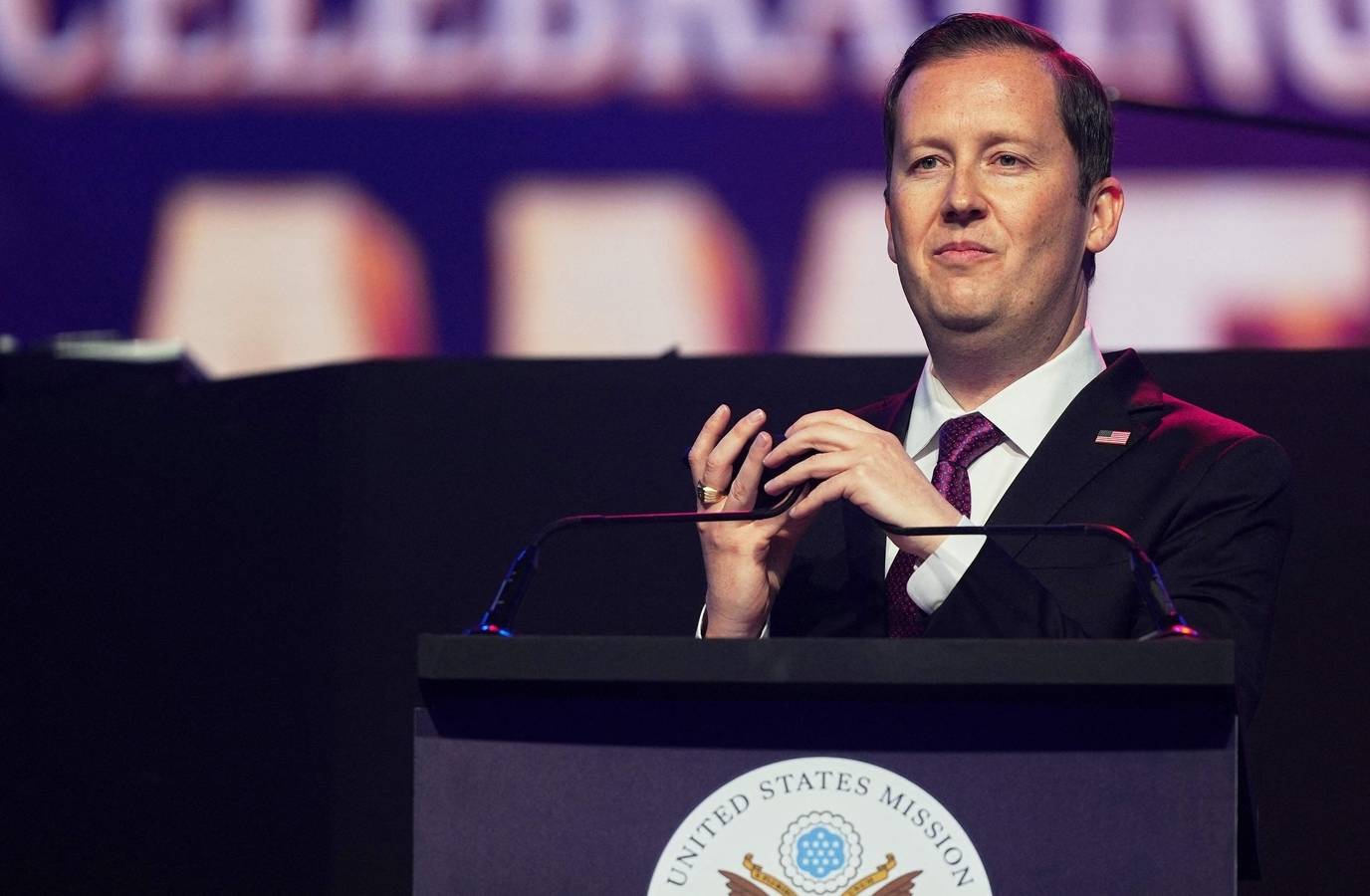
However, Will Scharf, a conservative attorney and White House staff secretary, drafted a confidential memo cautioning that the suspension of habeas corpus would be imprudent and could lead to negative repercussions.
The administration is said to have begun considering another extreme action, which involved invoking the Insurrection Act.
Experts assert that the principle prohibiting unlawful imprisonment predates the Magna Carta and has served as a fundamental element of the legal framework in the UK, US, and various democratic nations for centuries.
Habeas corpus is indeed a right recognized in the US Constitution, which specifies that the privilege of the writ of habeas corpus shall not be suspended, unless when in cases of rebellion or invasion the public safety may require it.
Abraham Lincoln was the first president to suspend habeas corpus in 1861, during the American Civil War, resulting in a confrontation with Supreme Court Chief Justice Roger Taney.