Why is Hasan Piker facing criticism over his outfit and hotel during a ‘solidarity’ trip to Cuba? | Hindustan Times
The influencer stayed at a high-end hotel during the humanitarian mission to Cuba, as parts of Cuba continue to face daily blackouts and food shortages.
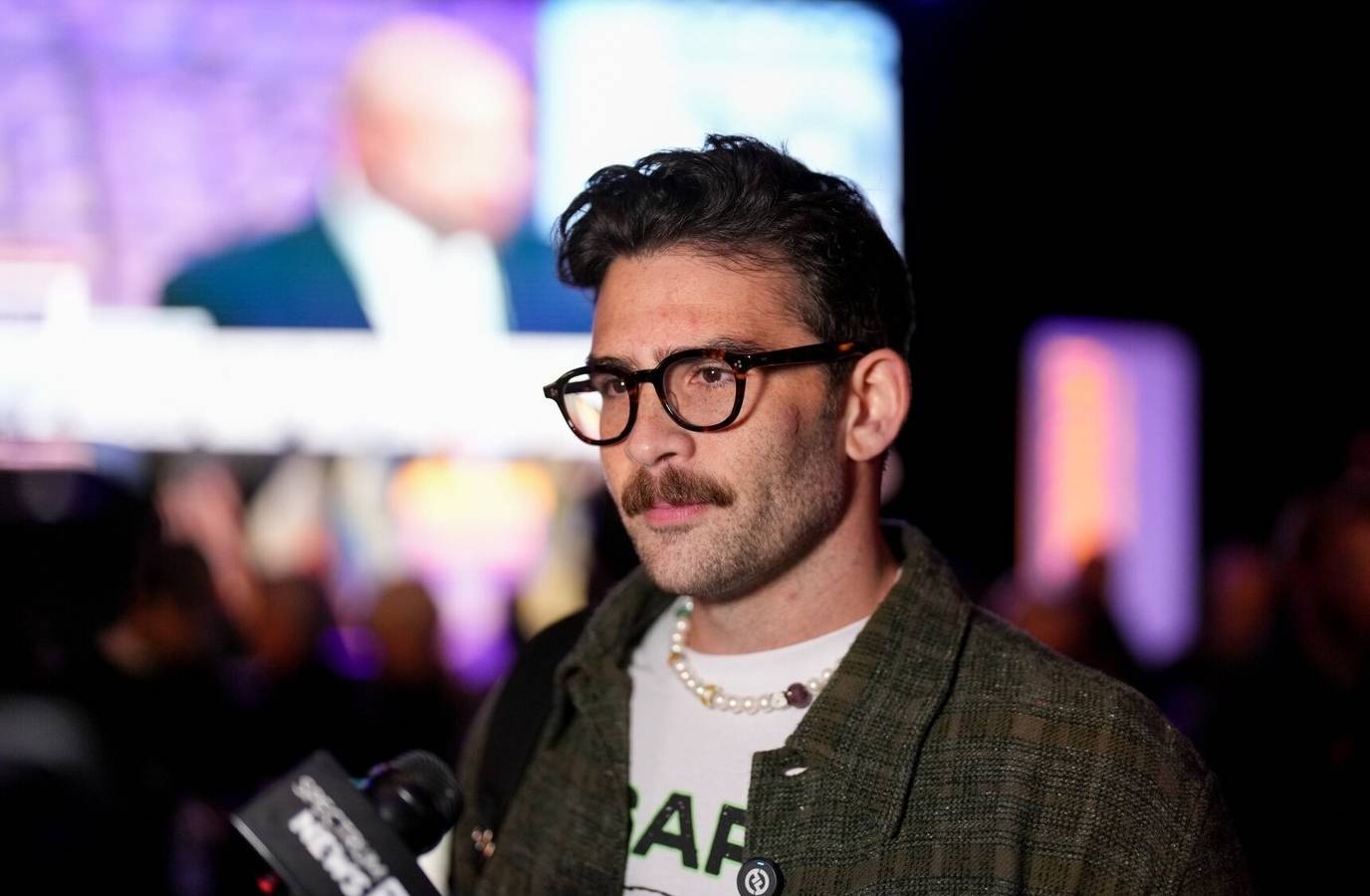
Hasan Piker has come under scrutiny from some online critics over his choice of luxury fashion items. During a recent trip to Cuba, he was seen wearing high-end accessories, including Cartier glasses, which sparked debate on social media.Some critics argue that these choices appear at odds with his public advocacy for socialist-leaning political views. They say his lifestyle, including designer clothing, raises questions about how his personal image aligns with his commentary on economic inequality. Others, however, defend Piker, noting that personal spending does not necessarily invalidate broader political positions.Also Read: FaZe Clan drama escalates as ex-members get surprise damage checks months after leavingPiker slammed for staying in a luxury hotel The influencer stayed at a high-end hotel during a humanitarian mission. He claimed United States laws forced him to pick this luxury spot. Some online users disputed this explanation, pointing to alternative lodging options. According to a Daily Mail reports, one of the properties he was linked to is the Gran Hotel Bristol Meliá Collection, a luxury hotel featuring amenities such as a rooftop pool, with room rates ranging from approximately $130 to $520 per night.The situation has sparked debate over optics, as parts of Cuba continue to face daily blackouts and food shortages. Some critics argue that wearing designer brands in a crisis-affected region can appear out of touch.One critic wrote on X, "You went to Cuba, used people’s suffering for content, and romanticized a dictatorship from your privilege. You get views and leave, Cubans stay, silenced and struggling. That’s not activism, that’s hypocrisy."Another added, “Hasan, it’s incredibly convenient to defend communism while living a lifestyle that people in Cuba could never even dream of.”By Prabhat Dwivedi